7 Billion Swaps on STON.fi: What Sustained Activity Really Tells Us About Liquidity on TON
 Mr. Cosmic5 min read·Just now
--
The Milestone That Made Me Pause and Look Deeper
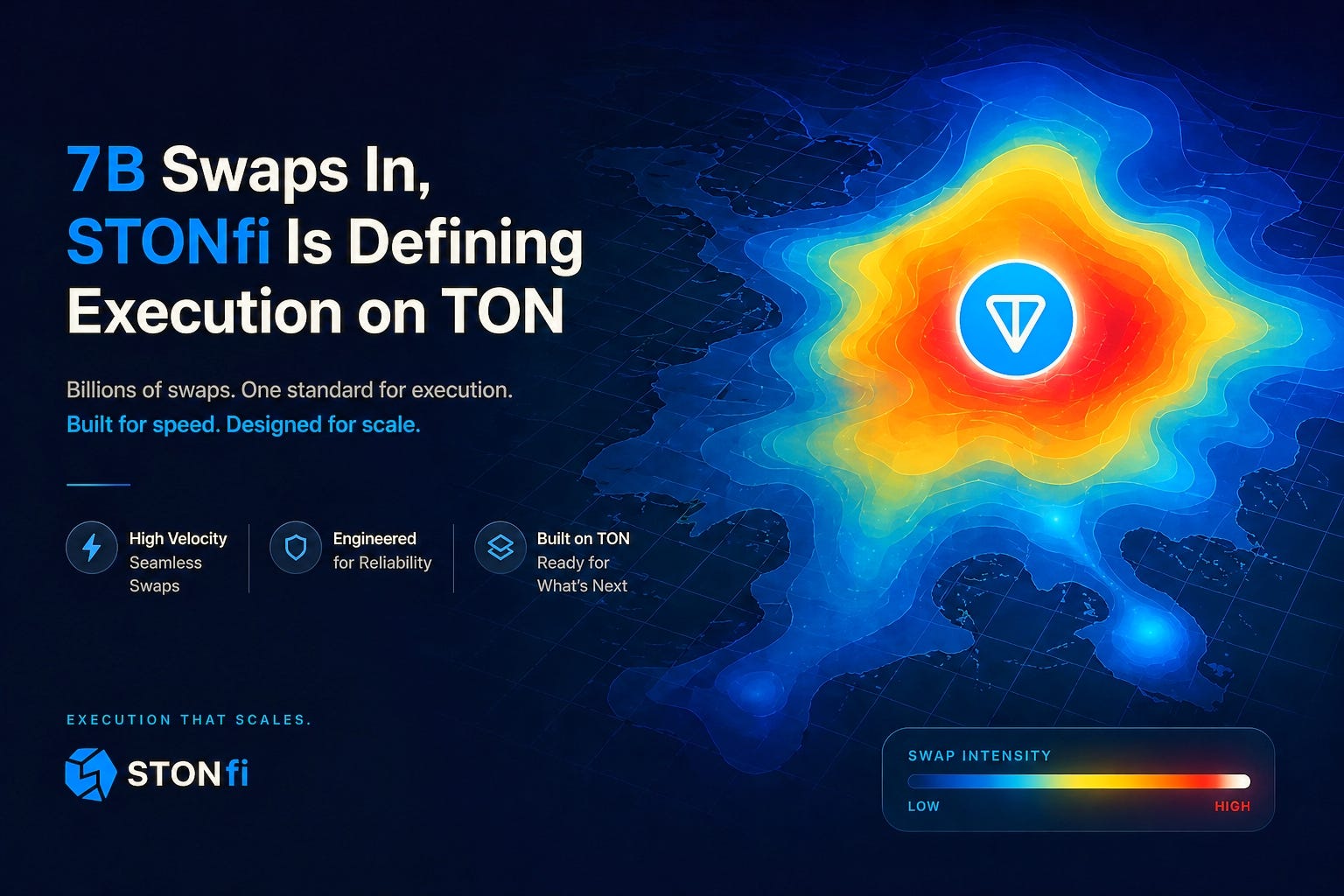
When I first saw that STON.fi had crossed 7 billion all-time swaps, my immediate reaction was not excitement. It was curiosity. Numbers in DeFi can be loud, but their meaning is often quiet. A milestone like this is easy to celebrate and just as easy to misunderstand.
What caught my attention was not the headline itself. It was the pattern behind it. Reaching that scale in roughly three and a half years suggests something more structural than a temporary rush of speculation. At an average of nearly 4,000 swaps per minute, the signal here points toward routine usage. People are returning, trades are being executed consistently, and liquidity is circulating rather than sitting idle.
In practical terms, this feels less like a viral moment and more like a functioning marketplace. Markets that survive tend to look exactly like this: steady, sometimes boring, but dependable.
Why Swap Count Matters More Than It First Appears
In decentralized exchanges, swap activity is one of the few metrics that reflects real interaction between users and liquidity. It represents decisions being made, risk being taken, and assets being moved with intent.
However, scale alone is not the story. The real insight comes from how activity behaves over time.
A healthy swap pattern usually reflects several overlapping behaviors:
- Traders rotating positions as market conditions change
- Liquidity providers rebalancing pools to maintain exposure
- Arbitrageurs correcting price differences between markets
- New token launches triggering discovery and distribution
- Everyday users exchanging assets for utility rather than speculation
When these behaviors happen simultaneously, the system becomes self-reinforcing. Activity attracts liquidity. Liquidity improves execution. Better execution attracts more activity. The cycle continues.
From a DeFi mechanics perspective, this is where the flywheel begins to form.
The Role of Liquidity Cycles
Liquidity in decentralized finance rarely stays still. It moves in cycles, sometimes slowly, sometimes abruptly. What matters is not the movement itself, but the rhythm.
On a network like TON, liquidity cycles often follow predictable triggers:
- Token launches and ecosystem expansions
- Yield opportunities shifting between pools
- Market volatility creating arbitrage windows
- User adoption driven by new applications
Each cycle adds another layer of depth to the market. Over time, these layers accumulate into resilience.
One short insight that many new users miss is this:
Liquidity depth is not created by deposits alone. It is created by repeated usage.
A pool that is traded frequently becomes more reliable because prices adjust faster and spreads remain tighter. This reduces slippage, which in turn encourages larger trades. The system stabilizes through participation, not promises.
What 7 Billion Swaps Suggest About User Retention
Retention is the hidden variable in every DeFi system. Volume can be manufactured temporarily through incentives, but retention cannot. Users only return when the experience feels predictable and the execution feels fair.
From my own experience using decentralized exchanges, the difference becomes obvious after a few weeks. If transactions confirm quickly, prices stay consistent, and liquidity remains available during volatile periods, users develop trust without needing to think about it. That trust shows up in data as repetition. When swap counts continue to grow steadily over years, it usually means:
- Users are comfortable returning to the same interface
- Liquidity providers are confident enough to stay deployed
- Market participants see consistent execution quality
This pattern matters more than any single spike in activity.
A Practical Example: How This Affects an Everyday User
Imagine you want to swap tokens during a fast-moving market. Timing matters, and execution quality becomes critical.
If liquidity is thin, your trade might move the price significantly. You end up receiving less value than expected. That experience discourages future participation.
Now consider the same scenario on a platform with deep and active liquidity.
Your trade executes quickly.
The price remains stable.
The outcome feels predictable.
This is the difference sustained swap activity makes. It turns a risky transaction into a routine action.
Why Volume Alone Is Not Enough
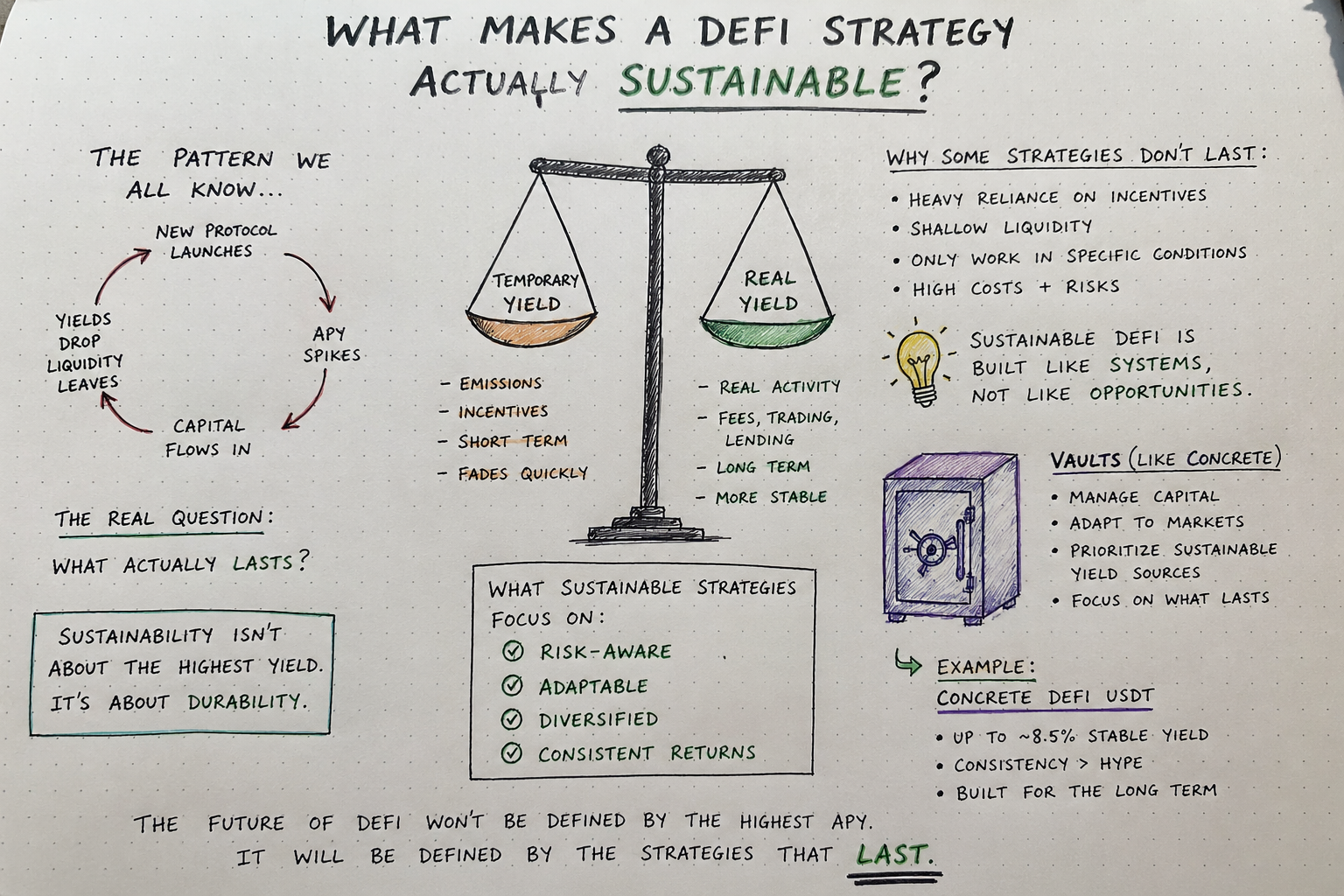
Despite the significance of this milestone, it is important to stay realistic. High swap counts do not automatically mean long-term value creation. Activity can be driven by incentives just as easily as genuine demand.
The real test of sustainability comes from understanding the source of participation.
Healthy ecosystems typically show:
- Organic trading demand
- Consistent liquidity retention
- Balanced incentive structures
- Gradual network expansion
If activity depends entirely on temporary rewards, it fades quickly once those rewards disappear. If activity is rooted in utility, it tends to persist.
This distinction is subtle, but it determines whether a platform matures or stalls.
How This Milestone Connects to the Growth of TON
Every decentralized exchange on a blockchain acts as infrastructure. It converts user interest into measurable economic activity.
As usage on TON increases, liquidity becomes easier to deploy, trades become more efficient, and new projects find it simpler to launch. Over time, this reduces friction across the entire ecosystem.
From a system-level perspective, a milestone like 7 billion swaps signals that the network is moving beyond experimentation and into routine operation. That transition is often invisible, but it is foundational. It is the moment when a platform stops proving itself and starts supporting others.
Where I Personally See the Signal
What stands out to me is not the number itself. It is the consistency behind it.
DeFi systems that survive tend to look ordinary on the surface. They process transactions quietly, handle volatility without drama, and continue operating regardless of market sentiment. Over time, that reliability compounds into trust.
I have learned to pay attention to these quiet signals. They often reveal more about the future of a network than any announcement ever will.
Getting Started or Exploring Further
If you want to see how liquidity behaves in real time or simply try a swap yourself, you can explore the platform directly:
- Swap interface
- Documentation
- Community updates
Spending a few minutes observing price movement and liquidity depth can be surprisingly educational, even for experienced users.
Seven billion swaps represent scale, but the deeper story is stability. Sustainable growth in decentralized finance rarely arrives with fireworks. It emerges through repetition, reliability, and gradual improvement in market structure.
Looking ahead, the success of DeFi on TON will depend less on headline numbers and more on whether liquidity continues to behave like infrastructure rather than speculation. If that pattern holds, the ecosystem will not just grow. It will endure. And in decentralized systems, endurance is the real milestone.
If you found this perspective useful, consider sharing it with someone exploring DeFi on TON.
Thoughtful discussions often build stronger communities than viral posts ever could.