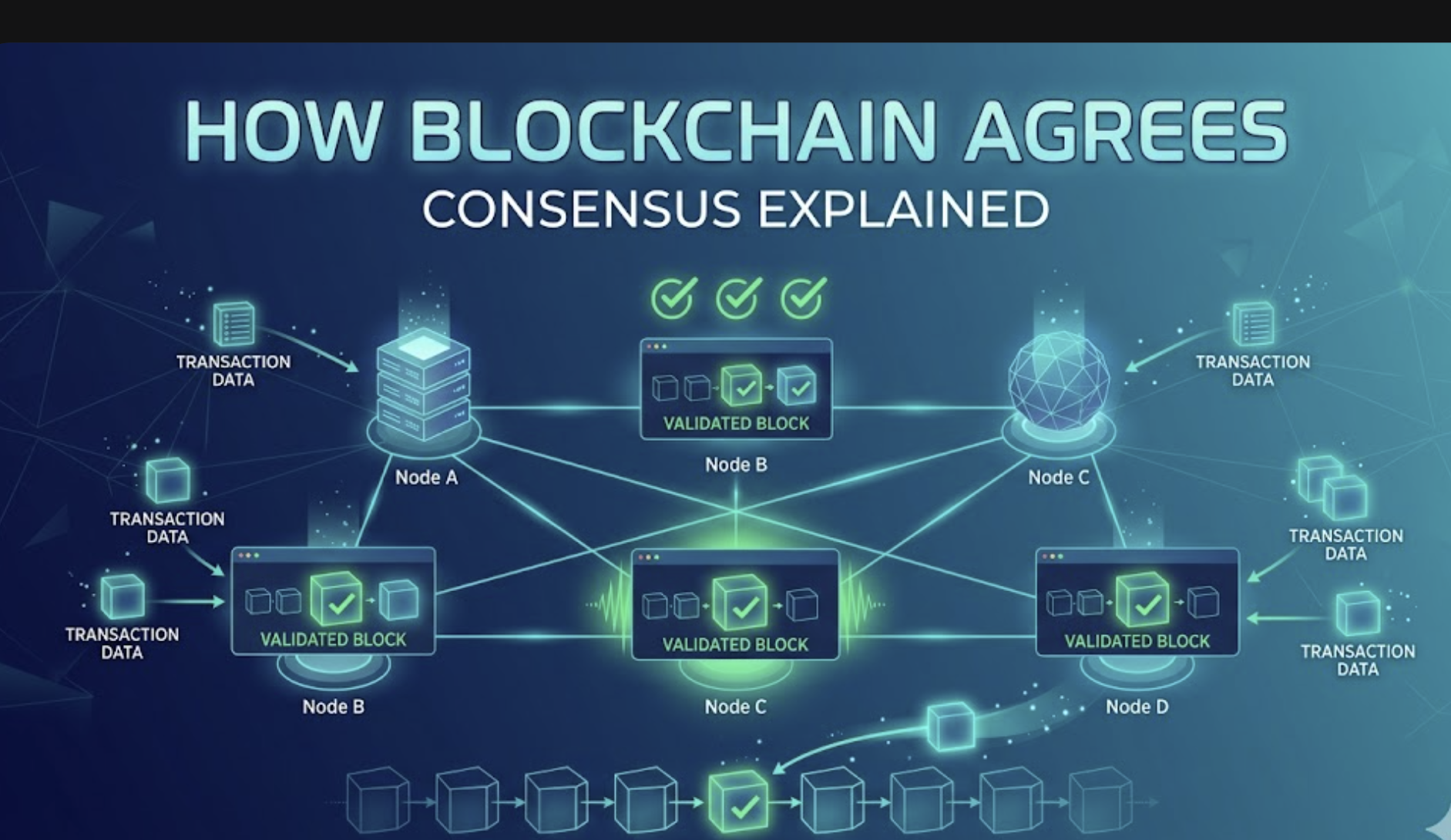
Visa Just Became a Validator. Here’s Why Payment Giants Are Seizing the Settlement Layer.
 Old Men, New Money: BTC, Blockchain & Tokenization3 min read·Just now
--
Visa is now running a validator node on Stripe’s new L1 blockchain, Tempo. Not advising. Not testing. Operating.
For 30 years, Visa’s job was simple: route authorization requests between banks, merchants, and card networks. Settlement happened later, somewhere else, through correspondent banks and the ACH system. Visa got paid for speed and ubiquity, not finality.
That model just changed.
This is the structural shift Japanese megabanks already understood when they started building tokenized deposit rails with Canton. It’s what SBI Securities proved when it completed instant DVP settlement using tokenized deposits and security tokens earlier this week. The gap between authorization and settlement used to be measured in days. Now it’s measured in seconds. And the institutions that control finality control the entire value chain.
Tempo’s design is specific: Machine Payments Protocol integration, validator nodes run by institutions with actual liability exposure, and settlement that happens at the speed of code. This isn’t DeFi. There’s no infinite approval vector. No anonymous liquidity pools. No yield farming.
Visa joining Tempo as a validator takes that model and makes it interoperable across the entire Stripe merchant network. Every API call, every machine-to-machine payment, every cross-border invoice that Stripe processes can now settle on a blockchain where Visa holds a consensus seat. That’s not crypto adoption. That’s infrastructure consolidation.
Meanwhile, the CLARITY Act is still stuck in Congress because banks are lobbying to delay stablecoin yield rules. The bill got pushed from April to May because legacy institutions are fighting over whether stablecoins should be allowed to pay interest. Visa didn’t wait for that debate to resolve. It built around it.
If you’re holding assets, running a business, or trying to understand where payments are headed, this is your signal: the rails are being rebuilt by the incumbents who already control distribution.
Visa doesn’t need to out-market Circle or Tether. It needs to out-settle them. And by running a validator on Tempo, it now controls a piece of the finality mechanism that makes payments irreversible. That’s a structural advantage no amount of USDC liquidity can replicate without equivalent validator control.
Watch where validator seats go. Watch which institutions are securing consensus, not just using networks. That’s where the revenue accrues.
Two things will tell you if this is a one-off or the beginning of a broader takeover:
- Does Mastercard follow Visa onto Tempo or a competing L1? If the second-largest card network also becomes a validator within 90 days, that confirms the pattern: payment rail operators are occupying the settlement layer, not partnering with it.
- Does Stripe expand Tempo validator access to banks or keep it exclusive to payment processors? If JPMorgan, BNY Mellon, or Citi join as anchor validators, the game is over. The same institutions that controlled SWIFT will control programmable settlement. If Stripe keeps it closed to card networks and processors, it’s a defensive play, not an open protocol.
Either way, the direction is clear. Finality is the new product. And Visa just bought a seat at the table where finality gets decided.
Originally published at https://oldmennewmoney.substack.com.