The Identity Crisis: Why 2026 is the Year We Stop Trusting Our Eyes
--
I remember the first time I saw a deepfake that actually worked. It wasn’t a Hollywood stunt; it was a simple video of a colleague “asking” for a password reset. The voice was perfect — the slight rasp he gets when he hasn’t had enough coffee, the way he pauses before saying “um.” It was chilling. In my six years as a cybersecurity expert, I’ve seen code evolve, but I’ve never seen trust weaponized so efficiently.
We have entered a strange era. In May 2026, the greatest threat to your bank account or your company isn’t a clever piece of malware; it’s the fact that “seeing is no longer believing.”
Here is how the digital landscape has shifted, and how you can protect what’s yours when the very tools of communication have turned into traps.
1. The Death of the “Standard” Phishing Email
Gone are the days of poorly spelled emails from long-lost princes. Today, attackers use Agentic AI — autonomous systems that don’t just send emails, but “research” you first. They scan your LinkedIn, read your public posts on X (formerly Twitter), and even analyze your writing style to craft a message that feels like it came from your own mother or your boss.
- The Reality: These emails don’t contain suspicious links; they contain intent. They want to start a conversation, build rapport, and then, only when you’re comfortable, ask for that one “small” favor.
- The Defense: Stop looking for “red flags” and start looking for context. If your CEO suddenly asks you to buy gift cards or move a wire transfer via a text message, it doesn’t matter how real their voice sounds on the phone — verify it through a second, independent channel.
2. The “Fintech” Mirage: Real-Time Fraud in a Real-Time World
India’s UPI and global instant payment systems have changed our lives for the better, but they’ve also removed the “grace period” for mistakes. In 2026, a fraudulent transaction is settled before you can even finish your second thought.
- The Trap: Scammers now use Synthetic Identities. They combine real data with AI-generated details to create “ghost” people who open bank accounts, build credit, and then disappear the moment they steal your funds.
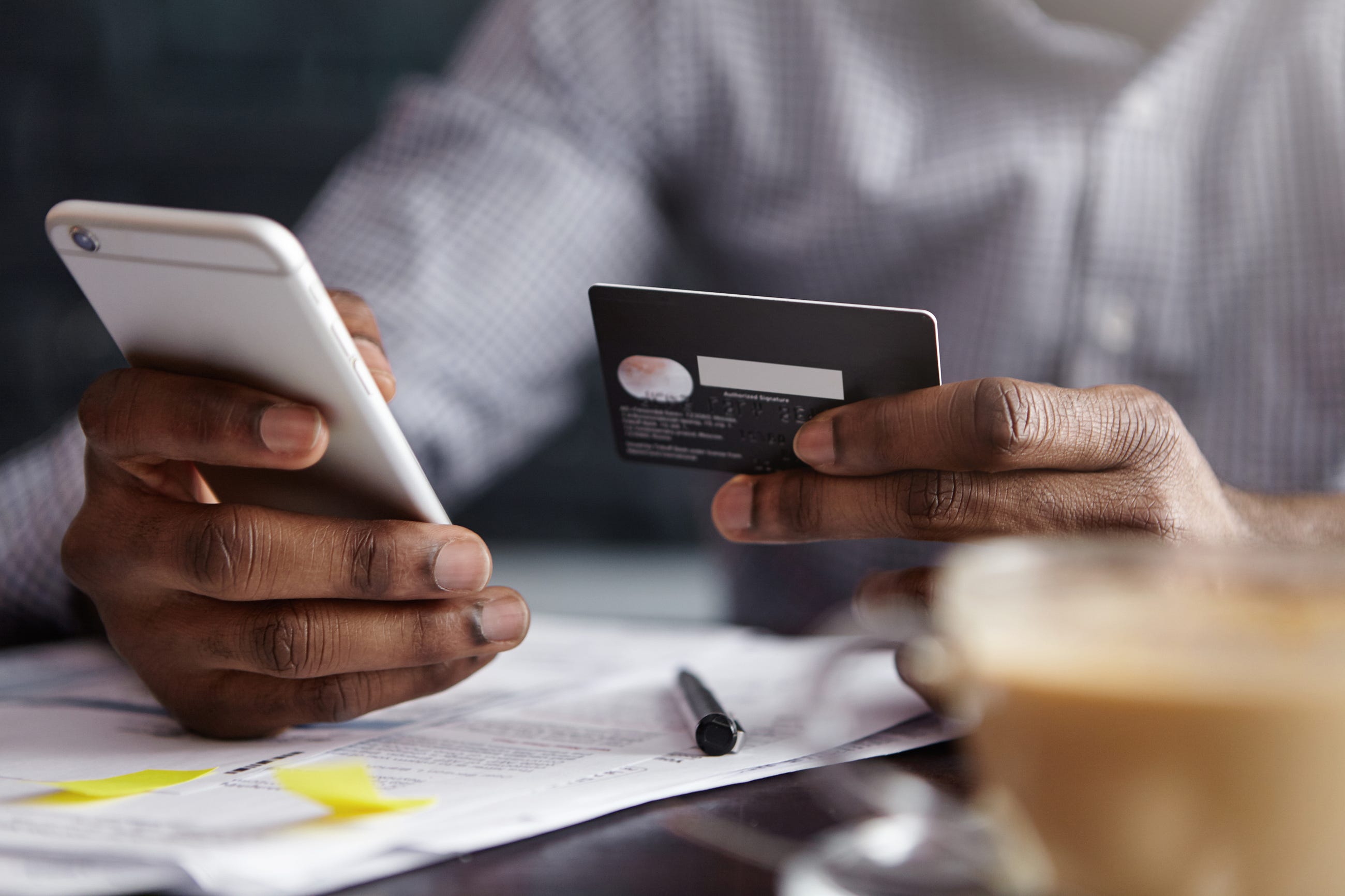
- The Fix: Use Virtual Cards for every online purchase. Treat your primary bank card like a master key — you wouldn’t leave it on a cafe table, so don’t leave its details on a random shopping site.
3. Deepfakes: The New “Man-in-the-Middle”
We used to worry about hackers “listening” to our calls. Now, we have to worry about who is on the other end of the camera. “CEO Fraud” has moved from email to video calls.
- The Human Element: AI can now mimic a person’s face and voice in real-time during a Zoom or Teams meeting. It sounds like science fiction, but for a high-value target, it’s a reality.
- The Protocol: Establish a “Safe Word” or a challenge-response system within your family or your executive team. If someone asks for something sensitive, ask them a question only they would know — something that isn’t on social media.
4. The “Shadow AI” Risk
Many of us are using AI tools to help with work, but we often forget where that data goes. When you paste a sensitive company report into a public AI to “summarize” it, you are essentially publishing that data to the world.
- The Strategy: Be a Digital Minimalist. Only give the AI what it needs to know. Use tools that offer “Enterprise Privacy” where your data isn’t used to train the model. Your intellectual property is your most valuable asset — don’t give it away for a quick summary.
Final Thoughts: Staying Human in a Synthetic World
Cybersecurity in 2026 isn’t a technical battle; it’s a psychological one. The tools have become so good that they can bypass almost any firewall — except the one between your ears.
The most powerful security tool you own is your skepticism. In a world of deepfakes and autonomous bots, your “gut feeling” is often the only thing that can tell the difference between a friend and a ghost in the machine.
Stay safe, stay cynical, and remember: in the digital world, if it feels too urgent to check, it’s definitely worth checking.