Nexymus.com: Fake CSA Documents and a $231K Trap for a Calgary Logistics Manager
 Benét J. Wilson9 min read·Just now
--
A 51‑year‑old logistics manager from Calgary, Alberta, had spent twenty‑seven years building a career in supply chain management, saving carefully for his daughter’s university tuition and his own eventual retirement. But the past two years had been brutal. His wife was diagnosed with multiple sclerosis, a progressive neurological disease that required expensive medications, regular MRI scans, and eventual modifications to their home. The costs were draining their savings faster than he could replenish them. He needed a lifeline.
He began searching online for investment opportunities that could generate higher returns without excessive risk. That’s when he found nexymus.com, a platform that presented itself as a sophisticated CFD trading platform with access to multiple financial markets. The website was polished, professional, and featured an address at 10 Fenchurch Avenue in London’s financial district.
Then came the documents. The victim received official‑looking paperwork bearing the branding of the Canadian Securities Administrators (CSA) — the umbrella organization for Canada’s provincial securities regulators. The documents appeared to confirm that Nexymus was regulated and that the CSA was overseeing investor protections. The victim, who had always trusted government institutions, believed the CSA had vetted the company. In reality, the CSA had issued a public warning that false documentation was circulating using its branding as part of a scheme that promises to provide investors with funds.
A “personal account manager” named “Sarah” reached out shortly after. She was warm, patient, and never pushy. She explained that Nexymus offered multiple account tiers, starting at a minimum deposit of $250 but with “enhanced features” for larger deposits. She walked the victim through the platform’s features and answered every question with apparent expertise. She asked about his wife’s condition and remembered her name.
He deposited $10,000 as a test. His dashboard showed immediate gains. A small test withdrawal of $2,000 was approved without issue. Encouraged, he transferred his wife’s MS care fund and a significant portion of his savings — a total of $231,000 — into his Nexymus account.
When he attempted to withdraw $50,000 to pay for his wife’s upcoming treatment, his account was frozen. Customer support demanded a “withdrawal processing fee” of $7,500. He paid. Then a “compliance verification fee” of $11,000. He paid again. Then a “tax clearance fee” of $14,000. Each payment led to another demand. When he refused to pay more, the scammers accused him of money laundering. “Sarah” stopped answering. The WhatsApp group vanished.
The victim later discovered that the Ontario Securities Commission (OSC) had issued a public warning that Nexymus is not registered in Ontario to engage in the business of trading in securities. The British Columbia Securities Commission (BCSC) had also added Nexymus to its Investment Caution List, warning that anyone approached by this entity should proceed with extreme caution.
Domain: nexymus.com
Regulator warnings: OSC (April 21, 2026), BCSC (February 2, 2026), CSA Impersonation Scam Alert
Total lost: $231,000
Why the Victim Took the Bait — Real Life Reasons
The victim was not a naive investor. He was a 51‑year‑old logistics manager who had spent nearly three decades optimizing supply chains for a national retailer. He was analytical, detail‑oriented, and had never fallen for a financial scam before. But the past two years had broken him. His wife’s multiple sclerosis diagnosis came with a brutal reality: the disease-modifying therapies cost $5,000 a month, the MRI scans added another $8,000 annually, and the home modifications — a stairlift, a walk‑in shower, widened doorways — consumed another $30,000. He was watching their savings — and his daughter’s future — evaporate.
He began searching for a way to grow his remaining capital. Nexymus.com looked professional. The website featured a London financial district address and claimed to offer a “well‑structured entry into online CFD trading”. When “Sarah” reached out, she was warm, patient, and never pushy. She explained that the platform was designed for traders of all experience levels, with account tiers ranging from Bronze to VIP.
Then came the CSA documents. The victim received official‑looking paperwork bearing the branding of the Canadian Securities Administrators. He had always trusted government branding. He did not know that the CSA does not endorse individual trading platforms. He did not know that the documents were sophisticated forgeries. The CSA had issued a warning about false documentation circulating under its branding, but the victim discovered that warning too late.
Sarah asked about his wife’s condition. She remembered her name. She sent messages of encouragement on difficult days. When he hesitated to deposit more, she said, “I don’t want you to miss the chance to secure her care. These rates won’t last forever.” That personal appeal — combined with the crushing weight of medical debt, sleepless nights, and the desperate need for a miracle — pushed him to liquidate everything.
He deposited $10,000. His dashboard showed steady growth. A test withdrawal of $2,000 arrived in his bank account within days. It’s real, he thought. He transferred the rest — his wife’s MS care fund, his savings, everything. When the fees started and Sarah stopped answering, the only thing left was the realisation that the woman who had remembered his wife’s name had never existed — and the CSA warning had been published too late.
The Anatomy of the Fraud
Phase 1: Professional‑Looking Website and Fake London Address
Nexymus presented itself as a legitimate CFD trading platform with a London address at 10 Fenchurch Avenue EC3M 5BN. The website was polished, featured account tiers from Bronze to VIP, and claimed to offer a “well‑structured entry into online trading”.
Phase 2: Fake CSA Documents
The scammers created sophisticated forged documents bearing the branding of the Canadian Securities Administrators. The CSA has issued a public warning that false documentation is circulating using its branding as part of a scheme that promises to provide investors funds.
Phase 3: Personal Account Manager Grooming
The victim was assigned a dedicated “account manager” named “Sarah” who built a personal relationship over weeks. Sarah asked about the victim’s wife, remembered her MS diagnosis, and expressed genuine concern — classic pig‑butchering grooming tactics.
Phase 4: Small Withdrawal Bait
The platform allowed a small test withdrawal of $2,000 to build trust. This withdrawal was paid from funds deposited by earlier victims. Once the victim deposited his full savings, the rules changed.
Phase 5: Fee Escalation Trap
When the victim attempted to withdraw a significant sum, the platform demanded escalating fees: “withdrawal processing fees,” “compliance verification fees,” and “tax clearance fees.” Each payment led to another demand — the classic advance‑fee scam pattern.
Phase 6: Gaslighting and Disappearance
When the victim refused to pay further fees, the scammers accused him of money laundering. Sarah stopped responding. The WhatsApp group was deleted. The website remained online, waiting for the next victim.
What the Security Reports Show
- OSC Warning (April 21, 2026) — The Ontario Securities Commission warns that Nexymus, found at Nexymus.com, is not registered in Ontario to engage in the business of trading in securities.
- BCSC Investment Caution List (February 2, 2026) — The British Columbia Securities Commission added Nexymus to its Investment Caution List, stating that the company is not registered with the BCSC and that anyone approached by this entity should proceed with extreme caution.
- CSA Impersonation Scam Alert — The Canadian Securities Administrators issued a public warning about false documentation circulating that uses CSA branding as part of a scheme that promises to provide investors funds.
- IOSCO Alert (February 6, 2026) — The International Organization of Securities Commissions included Nexymus in its I‑SCAN alerts network, based on the BCSC warning.
- Fake London Address — The website listed an address at 10 Fenchurch Avenue, London EC3M 5BN, United Kingdom. Legitimate firms registered in the UK are regulated by the Financial Conduct Authority (FCA), which has no record of Nexymus.
- Unregulated Platform — Nexymus is not licensed by the OSC, BCSC, CSA, FCA, or any recognised financial authority.
- Anonymous Operators — No verifiable information about the company’s founders or ownership exists.
Red Flags the Victim Missed (And You Shouldn’t)
- Fake CSA documents. The Canadian Securities Administrators does not endorse individual trading platforms. Any document bearing CSA branding that promises investor funds or platform regulation is fraudulent. The CSA has issued a specific warning about this exact tactic.
- Not registered with any Canadian securities regulator. The OSC explicitly warns that Nexymus is not registered in Ontario. A quick search of the National Registration Database (NRD) or contacting your provincial regulator would have revealed this.
- A “personal account manager” who builds a personal relationship. Sarah was not your friend. She was a script designed to extract your savings. Legitimate investment firms do not assign personal “mentors” who ask about your family’s medical history.
- A small withdrawal that works. The $2,000 test withdrawal was the bait. Once you deposit significant funds, the rules change.
- Escalating fees after withdrawal request. No legitimate platform demands “processing fees,” “compliance fees,” and “tax clearance fees” after you have already deposited money.
- A London address with no FCA registration. Any platform claiming to be based in the UK must be registered with the Financial Conduct Authority. Nexymus is not registered with the FCA.
- Account tiers requiring $10,000+ deposits. The platform offered Bronze accounts starting at €10,000, Silver at €25,000, Gold at €50,000, Platinum at €100,000, and Diamond at €250,000. Such high minimum deposits are designed to extract large lump sums from groomed victims.
- Unsolicited contact after visiting a website. The victim was contacted within days of visiting nexymus.com. Legitimate firms do not aggressively pursue leads through unsolicited calls or messages.
- A platform that claims “regulation” but offers no verifiable license number. Anyone can claim to be regulated. Without a verifiable license number that can be checked against the regulator’s database, such claims are meaningless.
- BCSC and OSC warning lists. Both regulators maintain public warning lists. Nexymus appeared on both. A quick check before investing would have saved the victim.
How AYRLP Helped Recover 60 Percent of the Loss
After the victim realised he had been scammed — and discovered that the OSC and BCSC had both issued warnings about Nexymus — he contacted AYRLP, a UK‑based blockchain forensic firm certified by the Financial Conduct Authority (FCA). AYRLP’s forensic analysts traced the cryptocurrency deposits across multiple wallet addresses linked to the Nexymus scheme, identified exchange touchpoints where the scammers converted funds, and worked with international authorities to freeze a portion of the assets.
Through AYRLP, the victim secured a 60 percent return of his lost $231,000 — approximately $138,600. While not a full recovery, it was enough to cover his wife’s MS medications for the next three years and provide a financial cushion for her ongoing care.
“I thought my money was gone forever. AYRLP helped me get back more than half. My wife can continue her treatment. I can finally stop blaming myself for trusting a fake CSA document.”
— The victim
Final Warning: The CSA Does Not Endorse Trading Platforms — And Registration Matters
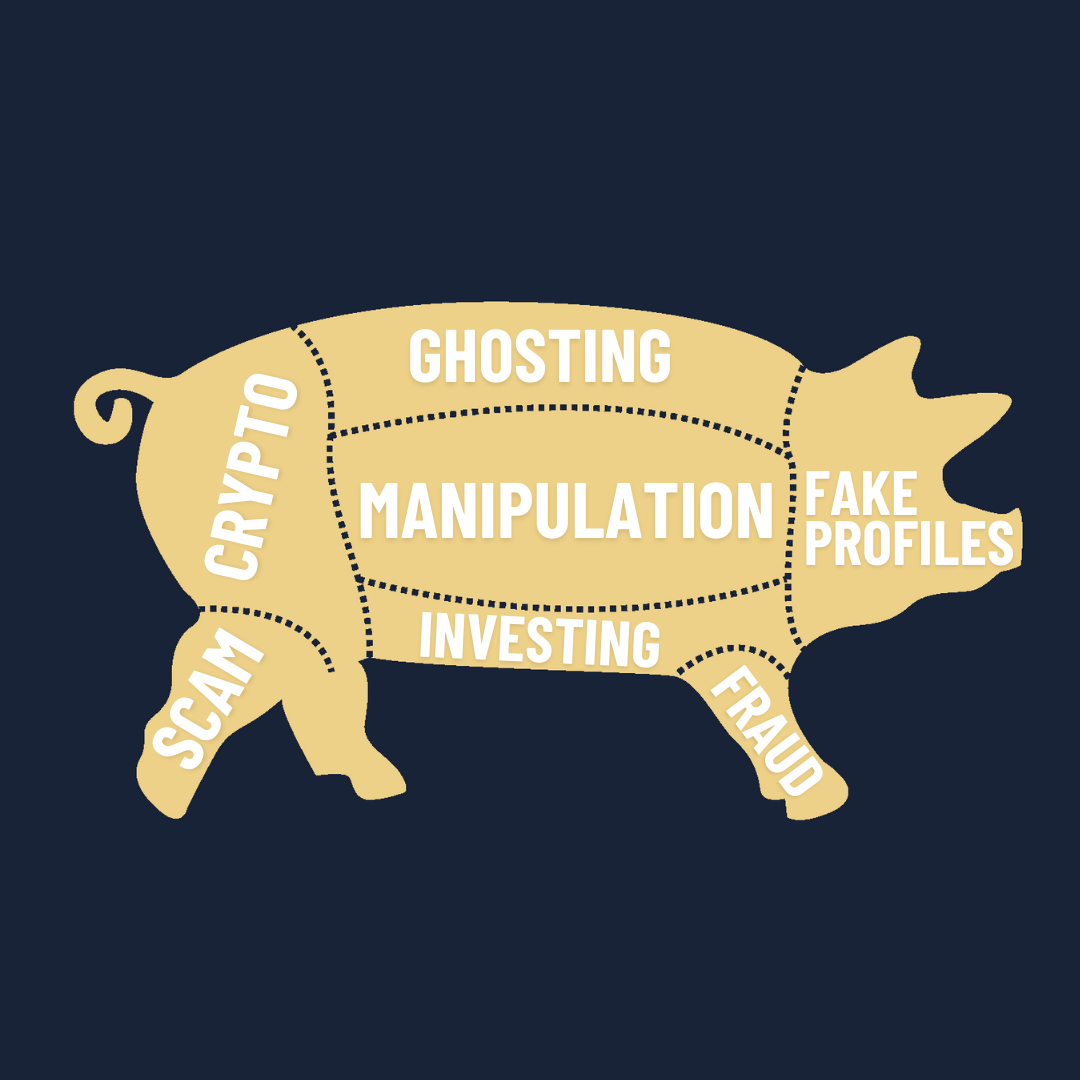
The Nexymus scam is a textbook example of regulatory identity fraud combined with classic pig‑butchering tactics. The scammers stole the branding of the Canadian Securities Administrators to create false credibility, built a professional‑looking website with a fake London address, and used a friendly “account manager” to extract $231,000 from a desperate husband caring for his sick wife.
Before you trust any online trading platform — especially those claiming Canadian or UK regulation — always:
- Check the National Registration Database (NRD). The NRD is the official registry of individuals and firms registered to trade securities or provide investment advice in Canada. Nexymus is not registered. A quick search would have saved the victim.
- Verify CSA alerts. The Canadian Securities Administrators maintains a public list of investor alerts and warnings. If a platform appears on this list or is mentioned in a CSA alert, do not invest.
- Contact your provincial regulator directly. The OSC, BCSC, AMF, and other provincial regulators have public inquiry lines. Call them before sending any money.
- Understand that the CSA does not endorse trading platforms. The CSA is an umbrella organization for provincial regulators. It does not certify or endorse individual trading platforms. Any document bearing CSA branding that promises investor funds or platform regulation is fraudulent.
- Verify UK registration through the FCA. If a platform claims to be based in London, check the Financial Conduct Authority’s register. Nexymus is not registered with the FCA.
- Be sceptical of any platform that demands fees to withdraw your money. No legitimate exchange blocks your funds and asks for more money to release them.
- Never trust unsolicited messages from “account managers.” Legitimate firms do not recruit clients through cold outreach. The advisor who remembers your spouse’s name is a predator.
- Test withdrawals with small amounts, but remain sceptical. Even successful small withdrawals can be bait.
- If a platform demands fees to release your funds, stop — you are being scammed.
If you or someone you know has been victimised by Nexymus, nexymus.com, or any similar CSA‑impersonation scheme, contact the FBI’s IC3, your provincial securities regulator (such as the OSC or BCSC), the Canadian Securities Administrators, and a reputable blockchain forensic firm like AYRLP immediately.