How Do Web3 Wallets Enable DeFi and NFT Transactions?
 Globogenix5 min read·Just now
--
The rise of decentralized technologies has transformed how people interact with digital assets. At the heart of this transformation are Web3 wallets, powerful tools that act as gateways to decentralized finance (DeFi) and non-fungible tokens (NFTs). Unlike traditional wallets that simply store currency, Web3 wallets empower users to interact directly with blockchain-based applications, giving them full control over their funds and digital ownership. But how exactly do these wallets enable DeFi and NFT transactions? Let’s explore.
What Is a Web3 Wallet and How Does It Work?
A Web3 wallet is a digital tool that allows users to store, send, receive, and manage cryptocurrencies and other blockchain-based assets. More importantly, it acts as an identity layer for interacting with decentralized applications (dApps).
Instead of relying on banks or centralized platforms, Web3 wallets use private and public keys. The private key is known only to the user and is used to sign transactions, while the public key serves as the wallet address. This cryptographic mechanism ensures secure and permissionless access to blockchain networks.
Web3 wallets can be browser-based, mobile apps, or hardware devices. Once connected to a blockchain, they allow users to seamlessly engage with DeFi platforms and NFT marketplaces without intermediaries.
How Do Web3 Wallets Enable DeFi Transactions?
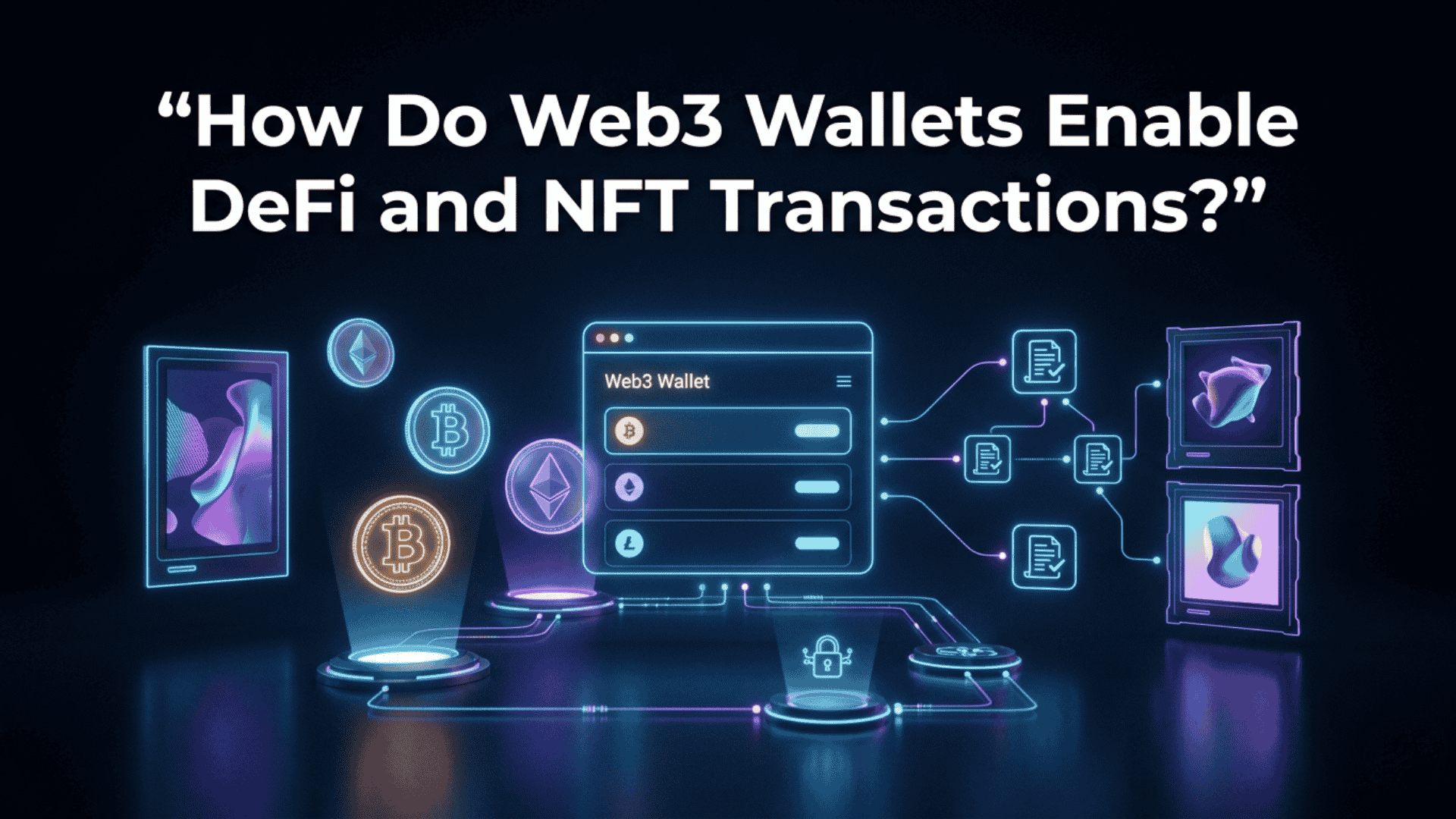
Web3 wallets play a critical role in enabling decentralized finance by acting as the bridge between users and DeFi protocols. When users connect their wallet to a DeFi platform, they gain access to financial services like lending, borrowing, staking, and trading, all without relying on traditional banks.
Transactions in DeFi are executed through smart contracts, and with the rise of AI Detectors, security and authenticity checks are becoming more important. A Web3 wallet allows users to interact with these contracts by signing transactions. For example, if a user wants to lend cryptocurrency, the wallet signs a transaction that transfers funds into a smart contract. In return, the user may receive interest or reward tokens, while AI Detectors can help monitor suspicious patterns and ensure safer interactions.
Additionally, Web3 wallets provide transparency. Users can view their balances, transaction history, and ongoing investments in real time. This level of control and visibility is one of the key advantages of DeFi over traditional finance.
Why Are Smart Contracts Important for Wallet Functionality?
Smart contracts are self-executing programs stored on the blockchain that run when predefined conditions are met. Web3 wallets interact directly with these contracts to facilitate DeFi and NFT operations.
When a user initiates a transaction, the wallet sends a request to the blockchain, which triggers the smart contract. The contract verifies the conditions and executes the action automatically, whether it’s swapping tokens, minting an NFT, or earning yield.
Without Web3 wallets, users wouldn’t be able to authorize or interact with these smart contracts. The wallet essentially acts as a secure interface, ensuring that only the owner can approve transactions.
How Do Web3 Wallets Support NFT Transactions?
NFTs represent unique digital assets such as art, music, virtual real estate, and collectibles. Web3 wallets enable users to buy, sell, store, and transfer these assets with ease.
When purchasing an NFT, the wallet connects to an NFT marketplace and signs the transaction to transfer cryptocurrency to the seller. Once completed, the NFT is transferred to the user’s wallet and stored as part of their digital collection.
Web3 wallets also allow users to mint NFTs. This process involves creating a new token on the blockchain, which the wallet signs and submits as a transaction. The wallet ensures ownership is securely recorded and verifiable.
Moreover, wallets display NFT metadata, including images, descriptions, and transaction history, making it easy for users to manage their collections in one place.
What Role Does Security Play in Web3 Wallet Transactions?
Security is a cornerstone of Web3 wallets. Since users have full control over their assets, they are also responsible for safeguarding them. Wallets use encryption and private keys to ensure that only authorized users can access funds.
Many wallets offer additional security features such as biometric authentication, password protection, and hardware integration, reflecting the growing focus on AI and the future of digital security. Hardware wallets, in particular, store private keys offline, making them less vulnerable to hacking and better aligned with evolving security standards in AI and the future.
However, users must remain cautious. Losing a private key or recovery phrase can result in permanent loss of access. Similarly, interacting with malicious dApps can lead to unauthorized transactions. Web3 wallets provide tools for security, but user awareness is equally important.
How Do Web3 Wallets Enhance User Control and Ownership?
One of the biggest advantages of Web3 wallets is that they eliminate the need for intermediaries. Users retain complete ownership of their funds and digital assets, unlike traditional systems where banks or platforms hold custody.
This decentralized approach ensures that users can transact freely, without restrictions or approvals. Whether participating in DeFi protocols or trading NFTs, the wallet acts as a personal gateway to the blockchain.
Additionally, Web3 wallets are interoperable, meaning they can connect to multiple platforms and networks. This flexibility allows users to explore a wide range of decentralized services without switching tools.
What Are the Challenges of Using Web3 Wallets?
While Web3 wallets offer numerous benefits, they also come with challenges. The user experience can be complex, especially for beginners unfamiliar with blockchain technology. Managing private keys, understanding gas fees, and navigating dApps can feel overwhelming.
Scalability is another concern. Network congestion can lead to high transaction fees and slower processing times. This can impact both DeFi and NFT transactions, making them less accessible to some users.
Despite these challenges, ongoing innovations are improving wallet usability and performance, making them more user-friendly and efficient.
You can also watch: Globussoft|Transforming Businesses with AI-Powered Solutions & Next-Gen Technology
Conclusion
Web3 wallets are the backbone of decentralized ecosystems, enabling seamless interaction with DeFi platforms and NFT marketplaces. By providing secure access, transaction authorization, and full ownership of assets, these wallets empower users to take control of their digital financial lives.
As blockchain technology continues to evolve, Web3 wallets will become even more sophisticated, bridging the gap between traditional systems and decentralized innovation. Whether you’re lending crypto, trading NFTs, or exploring new financial opportunities, a Web3 wallet is your key to unlocking the potential of Web3.
FAQs
1. What is the main purpose of a Web3 wallet?
A Web3 wallet allows users to store digital assets and interact with decentralized applications securely.
2. Can I use one wallet for both DeFi and NFTs?
Yes, most Web3 wallets support both DeFi platforms and NFT marketplaces in a single interface.
3. Are Web3 wallet transactions reversible?
No, blockchain transactions are typically irreversible once confirmed.