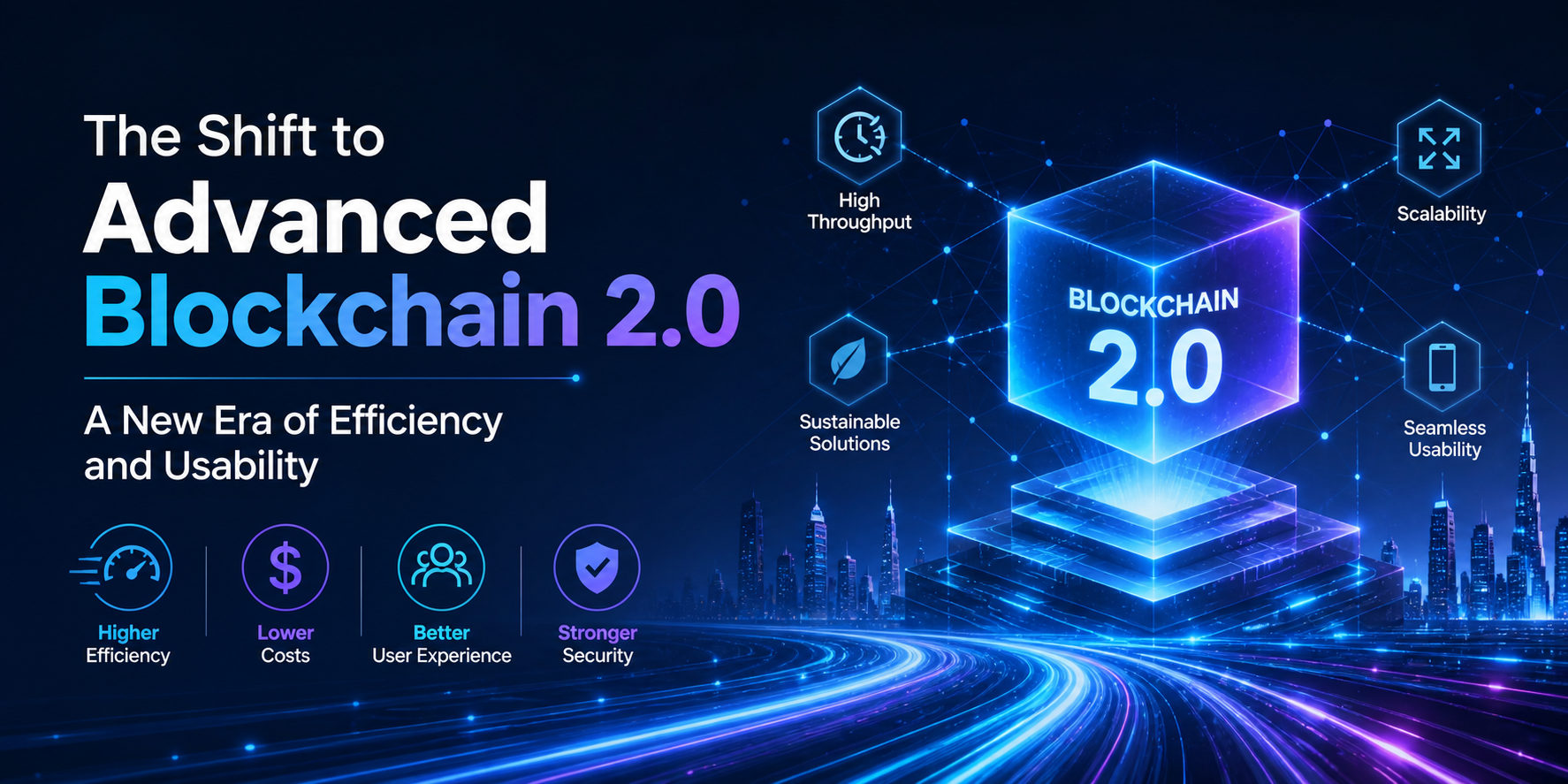
The Shift to Advanced Blockchain 2.0: A New Era of Efficiency and Usability
 Abcnetwork5 min read·Just now
--
Introduction
Blockchain technology has evolved far beyond its original role as the foundation for cryptocurrency transactions. Today, blockchain powers decentralized finance (DeFi), NFTs, Web3 applications, digital ownership systems, smart contracts, and next-generation online ecosystems.
As adoption continues growing worldwide, the demand for blockchain systems that are faster, more scalable, and easier to use has become increasingly important. Early blockchain networks introduced revolutionary decentralized concepts, but they also faced several limitations such as:
- Slow transaction speeds
- High transaction costs
- Scalability challenges
- Limited interoperability
- Complex user experiences
To solve these issues, the blockchain industry is transitioning toward Advanced Blockchain 2.0 — a new generation of decentralized infrastructure focused on efficiency, usability, scalability, and smarter digital ecosystems.
This shift represents more than just a technical upgrade. It marks the beginning of a new era where blockchain technology becomes more practical, accessible, and capable of supporting global adoption.
Understanding Traditional Blockchain Limitations
The first generations of blockchain technology introduced groundbreaking innovations in decentralized systems and digital trust.
These systems enabled:
- Peer-to-peer transactions
- Secure digital payments
- Transparent record keeping
- Decentralized financial interactions
However, as blockchain ecosystems expanded, several problems became increasingly visible.
Slow Transaction Processing
Many traditional blockchain systems struggled to process large transaction volumes efficiently, causing:
- Delayed confirmations
- Network congestion
- Reduced user experience
High Transaction Fees
Heavy network activity often led to expensive gas fees, making blockchain services difficult for everyday users and smaller transactions.
Scalability Challenges
Earlier blockchain networks were not designed to support:
- Millions of users
- Enterprise-level applications
- Large-scale decentralized ecosystems
Scalability became one of the biggest obstacles to mainstream adoption.
Complex User Interfaces
Many blockchain platforms required technical knowledge, making decentralized technology difficult for beginners and non-technical users.
Limited Cross-Chain Communication
Traditional blockchains often operated independently, limiting interoperability between ecosystems and reducing overall efficiency.
What is Advanced Blockchain 2.0?
Advanced Blockchain 2.0 refers to the next evolution of blockchain technology designed to improve:
- Transaction efficiency
- Network scalability
- User accessibility
- Security infrastructure
- Cross-chain interoperability
- Real-world usability
Unlike traditional blockchain systems, Blockchain 2.0 focuses on building decentralized ecosystems capable of supporting modern digital economies and mainstream adoption.
It combines advanced infrastructure with user-focused design to create smarter blockchain experiences.
A New Era of Efficiency
Efficiency is one of the biggest priorities driving Blockchain 2.0 innovation.
Modern blockchain ecosystems are designed to reduce delays, improve performance, and optimize decentralized operations.
Faster Transactions
Advanced Blockchain 2.0 integrates technologies such as:
- Layer-2 scaling solutions
- Sidechains
- Optimized consensus mechanisms
- Parallel processing systems
These innovations help:
- Increase transaction speed
- Reduce congestion
- Improve network performance
- Enhance decentralized application efficiency
Lower Transaction Costs
Optimized blockchain infrastructure helps reduce:
- Gas fees
- Transaction costs
- Resource inefficiencies
Lower costs make decentralized services more practical for global users.
Scalable Blockchain Infrastructure
Blockchain 2.0 systems are built to support:
- Larger user bases
- High transaction volumes
- Complex decentralized applications
- Enterprise-level ecosystems
Scalable infrastructure is essential for long-term blockchain growth.
A New Era of Usability
One of the most important changes in Blockchain 2.0 is the focus on user experience.
For blockchain technology to achieve mainstream adoption, it must become easier to use.
Beginner-Friendly Interfaces
Modern blockchain platforms now prioritize:
- Clean designs
- Simple navigation
- Faster onboarding
- Mobile-friendly experiences
This helps make decentralized systems more accessible to everyday users.
Easier Wallet Integration
Blockchain 2.0 improves wallet connectivity and simplifies user interactions with decentralized applications and digital assets.
Simplified DeFi Experiences
Decentralized finance platforms are evolving to provide:
- Easier trading systems
- More intuitive financial tools
- Better accessibility for new users
This helps reduce the technical barriers often associated with DeFi.
Enhanced Security in Blockchain 2.0
Security remains one of the most important aspects of decentralized systems.
Advanced Blockchain 2.0 introduces stronger security frameworks including:
- Smart contract auditing
- AI-powered fraud monitoring
- Multi-layer security protocols
- Decentralized identity systems
- Advanced encryption technologies
These innovations help improve trust and ecosystem stability.
Cross-Chain Interoperability
One major advancement in Blockchain 2.0 is interoperability.
Modern blockchain ecosystems can communicate more efficiently across networks, enabling:
- Cross-chain asset transfers
- Shared liquidity
- Multi-chain decentralized applications
- Better ecosystem connectivity
Interoperability helps create a more unified decentralized internet.
The Role of Blockchain 2.0 in Web3
Web3 represents the decentralized future of the internet where users control:
- Digital assets
- Online identities
- Personal data
- Financial interactions
Advanced Blockchain 2.0 provides the infrastructure needed to support scalable Web3 ecosystems.
It powers:
- Decentralized finance
- NFT marketplaces
- Blockchain gaming
- Creator economies
- Digital ownership systems
Without efficient blockchain infrastructure, Web3 adoption would remain limited.
Real-World Applications of Blockchain 2.0
Decentralized Finance (DeFi)
Blockchain powers:
- Lending and borrowing
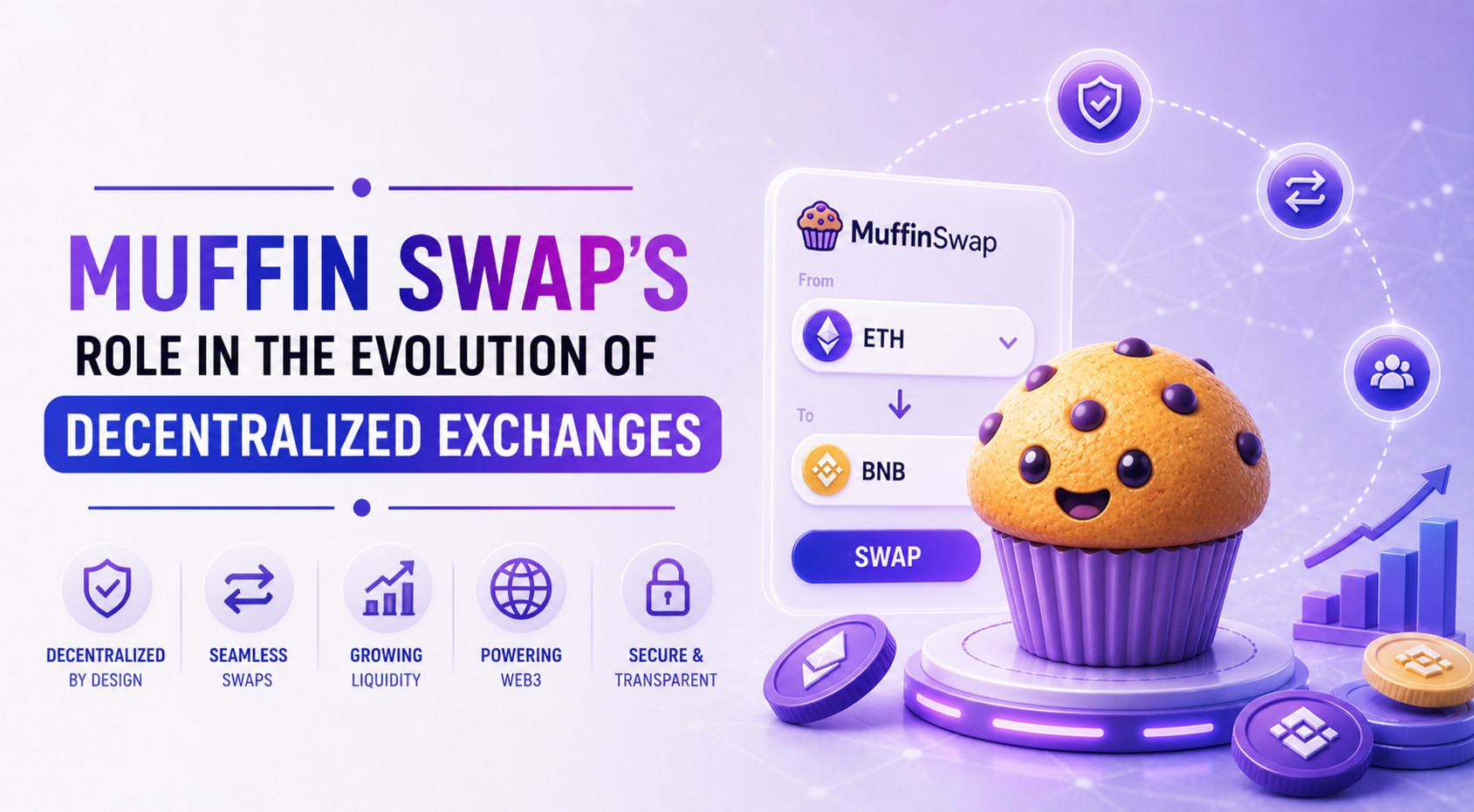
- Decentralized exchanges
- Staking
- Yield farming
Healthcare
Blockchain improves:
- Medical record security
- Patient privacy
- Data transparency
Supply Chain Management
Businesses use blockchain for:
- Product tracking
- Logistics optimization
- Operational transparency
Gaming and NFTs
Blockchain enables:
- Digital ownership
- NFT marketplaces
- Play-to-earn economies
- Virtual asset trading
Why the Shift to Blockchain 2.0 Matters
The shift toward Advanced Blockchain 2.0 is important because it helps blockchain technology evolve from a specialized innovation into practical digital infrastructure for global use.
By improving:
- Efficiency
- Usability
- Security
- Scalability
- Accessibility
Blockchain becomes more suitable for:
- Businesses
- Developers
- Investors
- Mainstream consumers
This transition could significantly reshape the future digital economy.
The Future of Advanced Blockchain Systems
The future of Blockchain 2.0 may include:
- AI-powered decentralized ecosystems
- Fully interoperable blockchain networks
- Tokenized real-world assets
- Smarter digital identity systems
- Global decentralized finance infrastructure
- Scalable Web3 ecosystems
As blockchain innovation continues, decentralized technology is expected to become a major part of everyday digital life.
Conclusion
The shift to Advanced Blockchain 2.0 marks a major turning point in the evolution of decentralized technology.
By focusing on efficiency, scalability, usability, security, and interoperability, Blockchain 2.0 is helping solve the limitations of traditional blockchain systems and creating smarter decentralized ecosystems for the future.
As Web3, decentralized finance, and digital ownership systems continue growing, Advanced Blockchain 2.0 could become one of the foundational technologies driving the next generation of global digital innovation.
View on Explorer: https://explorer.advanceblockchain.io
As blockchain innovation continues, decentralized technology is expected to become a major part of everyday digital life.