xAI fails to block California AI transparency law requiring training data disclosure
Elon Musk's AI company loses its bid to halt AB 2013, a law mandating that developers reveal what data they use to train generative models.
Share
Add us on Google by Estefano Gomez Mar. 5, 2026Elon Musk’s artificial intelligence venture, xAI, has failed in its effort to prevent California’s AI transparency law from taking effect. The company had sought to block AB 2013, which compels AI developers to publicly disclose the datasets used to train their generative models, arguing the requirement tramples on trade secrets and First Amendment rights.
The defeat marks a significant legal setback for one of the most well-funded AI companies on the planet, and it sends a clear signal to the broader industry: California is not backing down from its push to force transparency into a sector that has historically operated with minimal disclosure requirements.
What the law demands and why xAI fought it
AB 2013, which went into effect on January 1, 2026, requires AI companies operating in California to reveal the training data underpinning their generative models. That means companies like xAI, OpenAI, Google, and Anthropic would need to provide meaningful transparency about the text, images, code, and other data they ingested to build their systems.
For xAI, the implications are potentially enormous. The company, which operates the Grok AI assistant, has built its models on vast troves of data — and revealing exactly what went into the training pipeline could expose both competitive intelligence and uncomfortable questions about data sourcing practices.
xAI formally filed a federal lawsuit challenging the law on December 29, 2025, just days before it took effect. The company’s legal argument rested on two pillars: that mandatory disclosure of training data constitutes compelled speech in violation of the First Amendment, and that the law effectively forces companies to hand over trade secrets to competitors and the public alike.
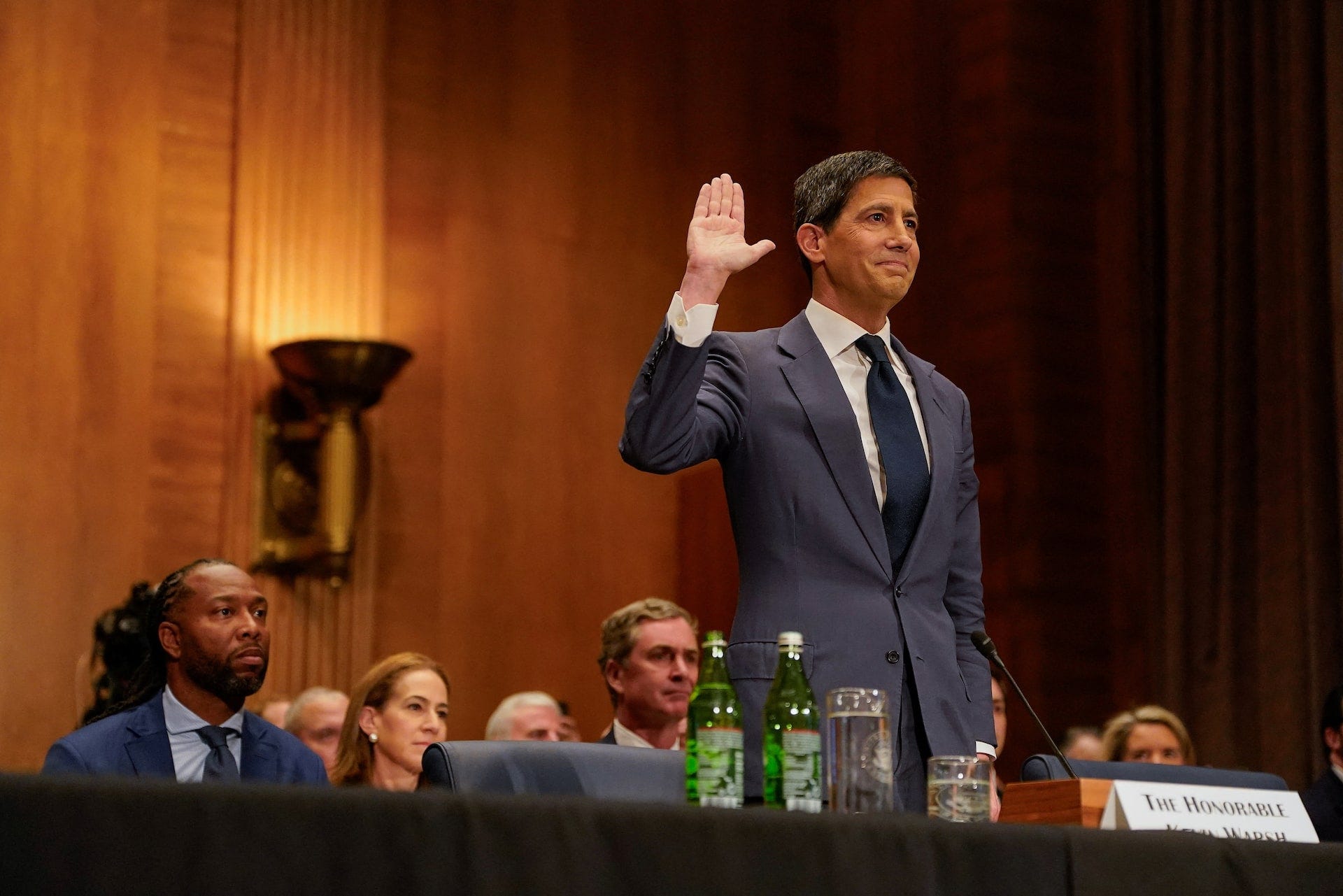
The company sought a preliminary injunction to freeze enforcement while the case played out. A hearing on that injunction took place on February 26, 2026, during which the presiding judge reportedly pressed the California Attorney General’s office on its plans for enforcing the new statute.
In a twist that may have actually hurt xAI’s position, the state apparently failed to provide a timely response during the proceedings. While that might sound like a win for Musk’s company, legal observers noted that the absence of a clear enforcement timeline could have paradoxically weakened the case for emergency relief — courts are generally reluctant to grant injunctions against threats that appear hypothetical or delayed.
The bottom line: the law stands, and xAI’s attempt to halt it has not succeeded.
A rough week in court for Musk’s AI ambitions
The timing of this defeat is particularly notable because it arrived just one day after another courtroom loss for xAI. On February 25, 2026, a federal judge dismissed xAI’s separate lawsuit against OpenAI, in which Musk’s company had alleged trade secret theft by its chief rival.
That case, which had drawn considerable attention given the personal history between Musk and OpenAI CEO Sam Altman, was thrown out without the kind of dramatic resolution xAI had presumably hoped for. Taken together, the back-to-back losses paint a picture of a company finding the legal system far less receptive to its arguments than it might have anticipated.
The twin defeats also underscore a broader irony. xAI has simultaneously argued that its own training data constitutes sacred trade secrets that no government should be able to compel disclosure of, while also claiming that a competitor stole its trade secrets. Courts, it appears, were not persuaded by either argument.
What this means for the AI industry and investors
California’s success in defending AB 2013 could have ripple effects that extend well beyond the Golden State’s borders. As the home base for most major AI companies and the jurisdiction with the largest state economy — roughly $4 trillion in GDP — California’s regulatory choices tend to become de facto national standards. Automakers learned this lesson decades ago with emissions rules, and AI companies may be learning it now with transparency mandates.
For investors in AI companies, the ruling introduces a new variable into the valuation equation. Training data has long been considered one of the most valuable and defensible assets an AI company possesses. If companies are forced to disclose what data they trained on, it could level the competitive playing field in ways that benefit smaller, more transparent players at the expense of large incumbents that have relied on opacity as a strategic advantage.
There is also the question of legal liability. Once training datasets are public, it becomes much easier for copyright holders, artists, journalists, and other content creators to identify whether their work was used without permission. That opens the door to a wave of potential litigation that could dwarf the existing copyright suits already working their way through the courts against companies like OpenAI and Stability AI.
The risk profile for xAI specifically is worth watching. The company raised $6B in late 2024 at a reported $50B valuation, making it one of the most richly valued private companies in the world. A forced disclosure regime that reveals the composition of Grok’s training data could invite scrutiny from regulators, litigators, and competitors alike — none of which is priced into that valuation.
It is also worth considering the enforcement question that remained somewhat unresolved during the February hearing. While the law is now in effect, the California Attorney General’s office has not publicly detailed how aggressively it intends to pursue noncompliant companies. A soft enforcement approach would give the industry breathing room; an aggressive one could force compliance disclosures within months.
Other states are watching closely. New York, Illinois, and Colorado have all introduced their own AI governance proposals in recent legislative sessions, and California’s ability to withstand a well-funded legal challenge from a company backed by the world’s richest person will likely embolden those efforts.
For the broader market, this is another data point in the ongoing tension between rapid AI development and regulatory oversight. The AI sector has enjoyed a remarkably permissive regulatory environment compared to other industries — financial services, pharmaceuticals, and telecommunications all face far more prescriptive rules. That era of light-touch governance appears to be ending, at least in California.
The bottom line
xAI’s failure to block AB 2013 is more than a single company losing a single court battle. It is a signal that the legal system is willing to uphold transparency requirements even when the most powerful players in AI push back. For developers, the message is straightforward: build your models with the assumption that the world will eventually see what went into them. For investors, the calculus just got a little more complicated — the black box era of AI training is closing, and the companies best positioned to thrive are those that were already building with nothing to hide.
Disclosure: This article was edited by Estefano Gomez. For more information on how we create and review content, see our Editorial Policy.