What makes a Defi strategy actually sustainable
 0xashley5 min read·Just now
--
Introduction
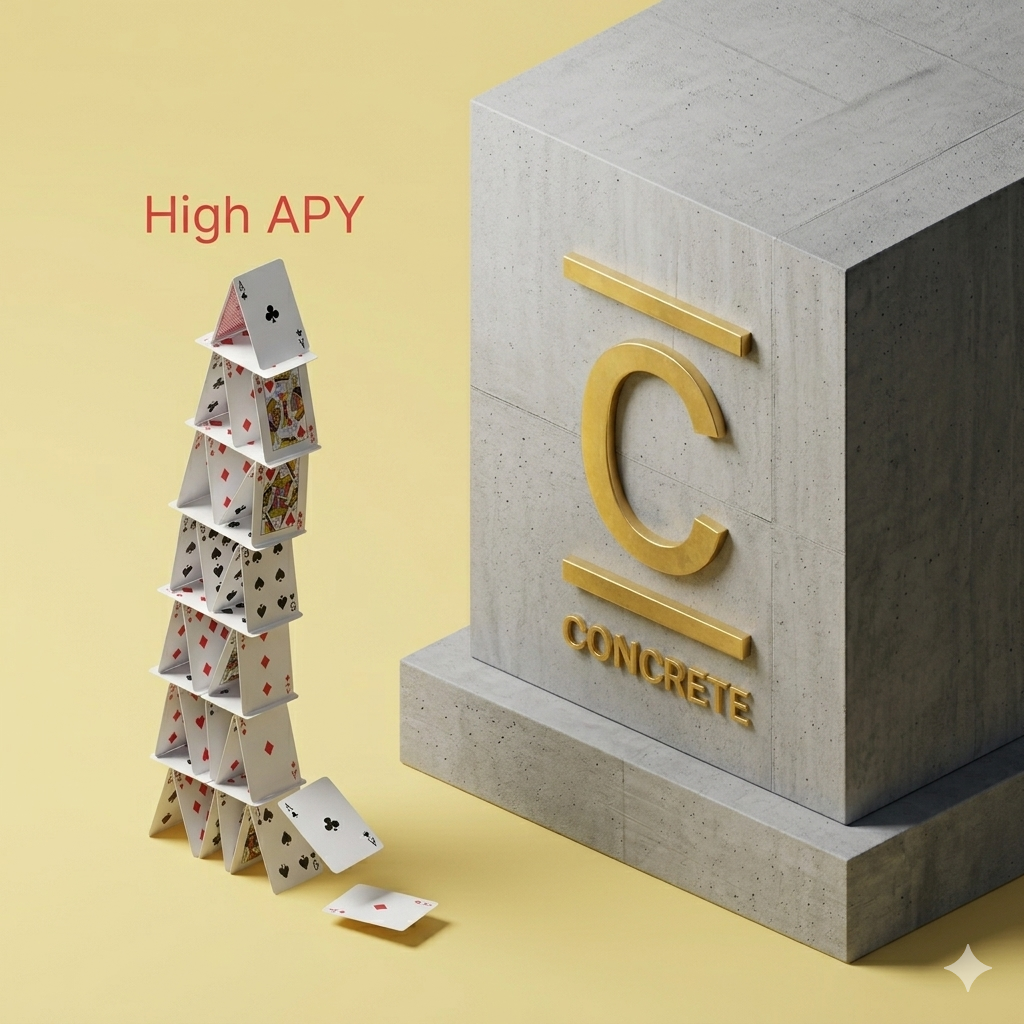
DeFi is full of yield but most of it doesn’t last. New protocols launch every week. APYs spike to triple digits. Capital floods in and yields compress, the Liquidity rotates and the opportunity disappears.
This cycle repeats endlessly across DeFi.
So the real question isn’t: “What has the highest yield?”
It’s: “What actually lasts?”
The Pattern We’ve All Seen
Here’s the playbook:
1. New protocol launches with 300% APY
2. Degens rush in, deploy capital
3. TVL explodes within days
4. Emissions start declining
5. APY drops to 40%
6. Capital exits to the next farm
7. Protocol becomes a ghost town
This happens constantly, same pattern in different protocols
Why do most strategies fade so quickly?
Because they were never built to last. They were built to attract liquidity, not sustain it.
What “Sustainable” Actually Means
Sustainable doesn’t mean “high APY forever.” It means a strategy that generates consistent returns over time, not 500% this week and 8% next month. predictable yield you can model and rely on.
It doesn’t depend entirely on incentives. If the only reason yield exists is because the protocol prints tokens, that yield disappears when emissions end. It remains viable across market conditions. Bull market, bear market, sideways market, the strategy still works. It adapts instead of collapsing.
Sustainability is equals to durability, not peak performance.
A strategy that earns 12% for three years beats one that earns 80% for three months.
Real Yield vs Temporary Yield
Not all yield is created equal, real yield comes from economic activity such as;
• Trading fees. Users swap. Liquidity providers earn a cut. Sustainable as long as volume exists.
• Lending interest. Borrowers pay to access capital. Sustainable as long as borrowing demand exists.
• Arbitrage opportunities. Price inefficiencies create profit. Sustainable as long as markets stay imperfect.
Temporary yield comes from incentives:
• Token emissions. The protocol prints governance tokens to attract TVL. This ends. Always.
• Liquidity mining programs. Designed to bootstrap adoption, not sustain it long-term.
• One-time campaigns. Marketing budgets, not business models.
Notice the difference:
Real yield reflects actual economic value being created. Temporary yield reflects subsidies designed to create the illusion of value.
When emissions end, temporary yield evaporates and Real yield persists.
Liquidity & Market Conditions Matter
Some strategies only work under specific conditions. High-volatility strategies earn well during wild price swings but bleed during calm markets.
Arbitrage strategies profit from inefficiencies. As markets mature and inefficiencies shrink, opportunities compress.
Leverage-based strategies amplify gains in bull markets and amplify losses in bear markets.
Liquidity-dependent strategies need deep pools to function. Shallow liquidity equals a higher slippage, lower returns, execution risk.
Sustainable strategies adapt to changing conditions. They don’t rely on one market state lasting forever.
Risk & Cost Awareness: The Hidden Drain
A strategy might show 40% APY on a dashboard. But what’s the real return after costs?
Execution costs, every deposit, withdrawal, rebalance, and compound costs gas. High-frequency strategies get destroyed by transaction fees.
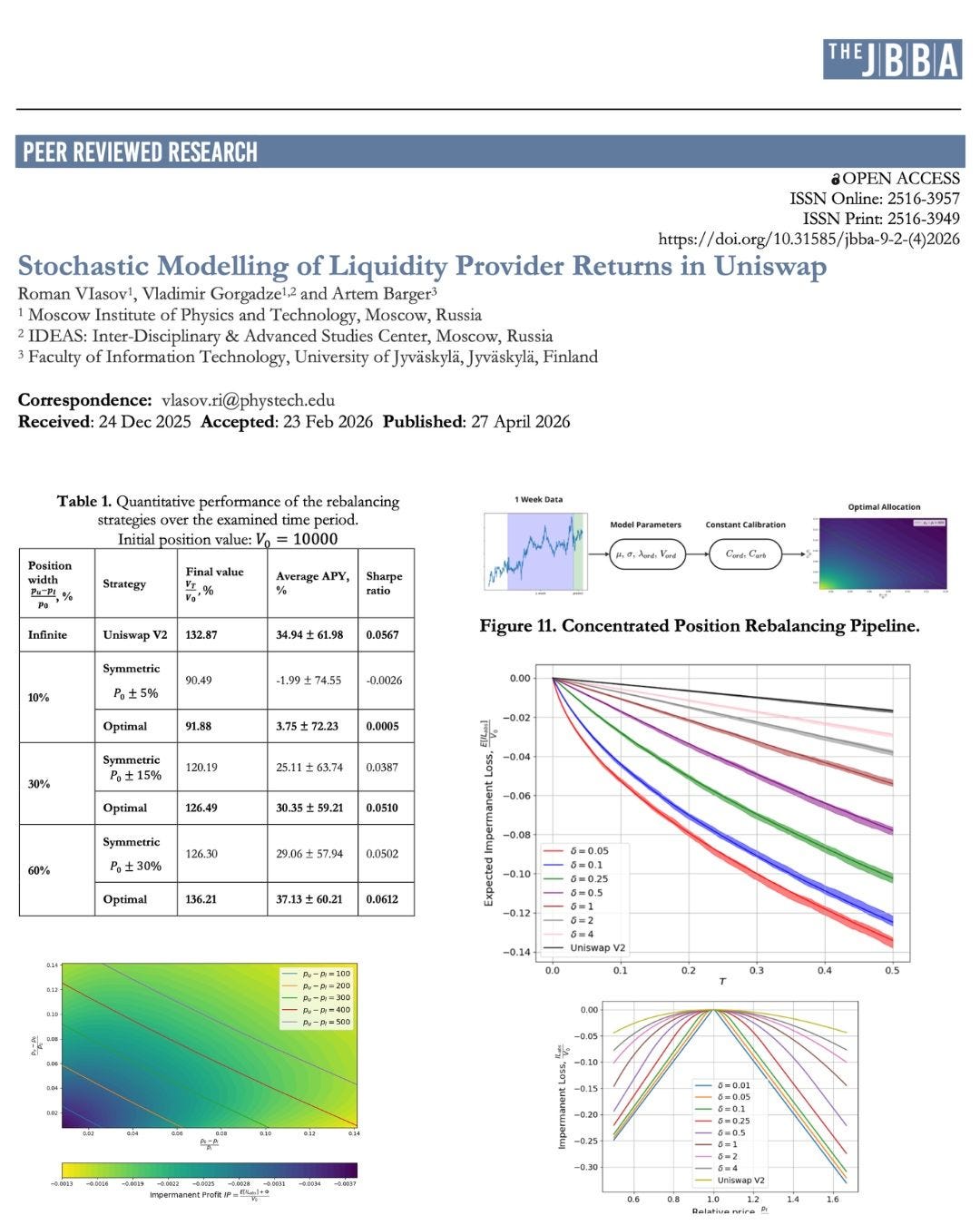
Rebalancing drag, markets move and positions need adjusting. each adjustment costs money and creates slippage.
Slippage. Large positions in shallow pools lose value on entry and exit. Your actual execution price is worse than the quote.
Impermanent loss. Providing liquidity to volatile pairs can net negative even with high fees if the price divergence is large enough.
Changing correlations. A hedge that worked for six months stops working when correlations shift. Your “safe” position becomes risky.
A strategy that looks strong on paper can degrade significantly over time once real-world costs stack up.
Gross yield ≠ net yield
How Sustainable Strategies Are Built
Durable strategies don’t chase peak APY. they optimize for risk-adjusted returns over time. Diversification across strategies don’t rely on one yield source. Spread capital across lending, liquidity provision, and real economic activity. If one compresses, others compensate.
Continuous monitoring because markets change and strategies need to adapt. Monitoring ensures capital shifts when conditions shift.
Adapting to market changes is key because bull market strategies don’t work in bear markets. Sustainable systems adjust allocation based on environment.
Focusing on net returns, not headline APY. A 15% net return after costs beats a 50% gross return that nets 8% after execution, slippage, and volatility drag.
This is where DeFi starts to look like systems, not just opportunities.
How Concrete Vaults Prioritize Sustainability
Concrete vaults are designed for durability, not just peak yield. It prioritizes sustainable yield sources. Its strategy manager vets opportunities. Capital flows to strategies with real economic activity, not just emissions theater.
It manages capital across strategies. Allocators deploy funds across multiple vetted strategies. Diversification reduces reliance on any single yield source.
They adapt to changing conditions, when yields compress or risk increases, the vault rebalances. capital shifts to better opportunities automatically.
They reduce reliance on short-term incentives. Vaults don’t chase unsustainable emissions. They optimize for strategies that last beyond the next token airdrop.
They focus on risk-adjusted, net returns. Not gross APY. Not headline numbers. Actual outcomes after costs, risks, and execution.
Concrete vaults aim to outlast the hype cycles. Example is the Concrete DeFi USDT
Let’s ground this in reality…
Concrete DeFi USDT offers up to ~8.5% stable yield on USDT deposits.
That might not sound exciting compared to a farm advertising 200% APY
But here’s what matters..
Stability outperforms volatility over time. A consistent 8.5% compounds predictably. A volatile 200% that drops to 5% nets worse results after you account for execution costs and missed compounding.
Consistency attracts long-term capital. Institutions and serious allocators don’t chase spikes. They deploy into strategies they can model and trust over quarters and years.
Sustainable yield looks less exciting but proves more reliable, boring wins and flashy dies.
8.5% every year for five years beats 80% for six months followed by collapse.
The Bigger Shift
DeFi is evolving from short-term yield chasing and farm rotation to long-term capital strategies and infrastructure based allocation
Also from Headline APY competition to Risk-adjusted, sustainable returns
From Emissions driven liquidity to Real economic activity
Sustainability will matter more than peak returns. The protocols that survive won’t be the ones that spiked highest. They’ll be the ones still running when the hype fades.
Infrastructure will outlast incentives. Vaults, automation, and managed strategies will replace manual farm-hopping because they’re more efficient and more durable.
The future of DeFi won’t be defined by the highest APY.
It will be defined by the strategies that last.
Concrete is building for that future.