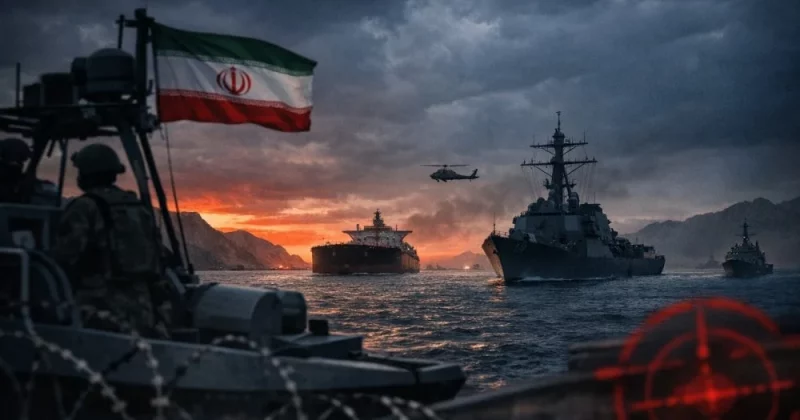
US-Iran ceasefire unravels amid renewed tensions in Strait of Hormuz
Weeks of fragile peace are crumbling as US strikes near the strait and Iranian retaliation threats put global energy markets on edge.
Share
Add us on Google by Editorial Team May. 28, 2026The ceasefire between the United States and Iran, brokered by Pakistan and activated on April 8, is coming apart at the seams. What began as a two-week pause after six brutal weeks of military exchanges has been extended multiple times.
The latest flashpoint: a string of US military strikes conducted between May 25 and May 28 targeting Iranian missile and drone sites near the Strait of Hormuz. CENTCOM characterized the strikes as defensive. Iran has accused Washington of violating ceasefire terms and threatened retaliation.
How we got here
The conflict traces back to February 28, when the US and Israel launched coordinated strikes on Iran. That triggered six weeks of intense military engagement before Pakistan stepped in to mediate a halt to the fighting.
AdvertisementThe ceasefire took effect on April 8, initially designed to last just two weeks. It has been extended several times since. The Strait of Hormuz sits at the center of all of this. Roughly one-fifth of the world’s oil passes through this narrow waterway between Iran and Oman. Iran has intermittently restricted maritime traffic through the strait. The US has responded with a naval blockade targeting Iranian ports, aimed at forcing a reopening of the waterway as part of future negotiations.
Diplomatic talks and the 60-day question
As of late May, diplomatic negotiations are ongoing in Qatar. The talks are exploring a framework for extending the ceasefire by 60 days, which would buy time for broader discussions around Iran’s nuclear program.
Key figures at the table include US President Donald Trump’s administration, IRGC officials from the Iranian side, CENTCOM representatives, and Pakistani mediator Mohammad Bagher Ghalibaf.
The US wants the Strait of Hormuz fully reopened and Iran’s nuclear ambitions curbed. Iran wants the naval blockade lifted and what it considers sovereignty over its territorial waters respected.
What this means for markets and investors
Energy commodity markets are already pricing in elevated risk. A full breakdown of the ceasefire would likely trigger a sharp spike in crude prices, as traders scramble to account for potential supply disruptions. The naval blockade of Iranian ports adds another layer of uncertainty. Even if the strait technically stays open, the blockade constrains Iranian oil exports, tightening global supply at the margins.
Additional sanctions on Iran, which could accompany a ceasefire collapse, would further constrain the global financial system. The 60-day extension framework being discussed in Qatar is the variable that matters most right now. If talks collapse and Iran follows through on retaliation threats, energy prices, shipping insurance rates, defense spending, and risk appetite across every major asset class would all shift significantly.
Disclosure: This article was edited by Editorial Team. For more information on how we create and review content, see our Editorial Policy.