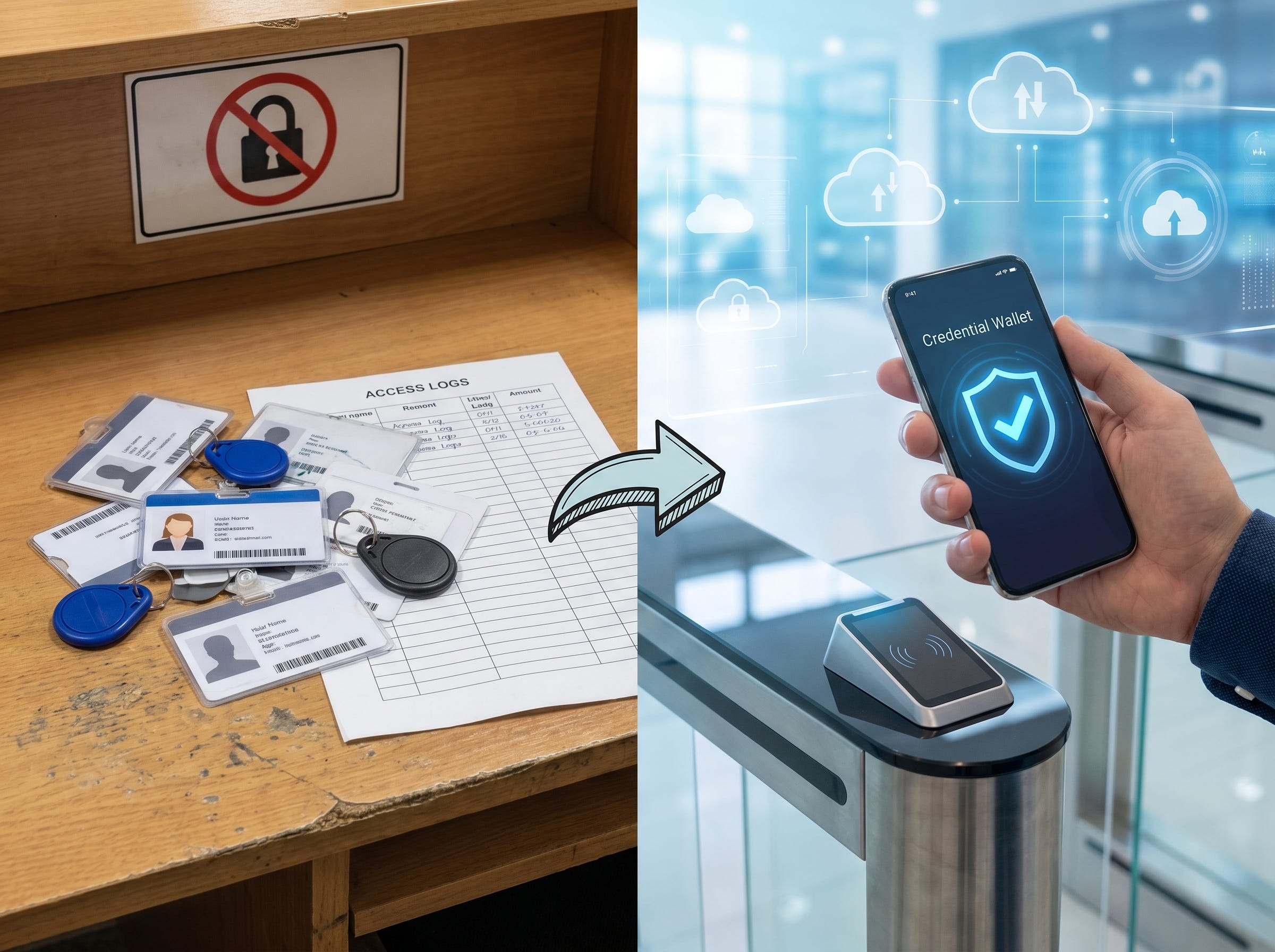
The Business Case for Switching to Credential-Based Identity
 Everycred3 min read·Just now
--
For years, digital identity systems have relied on repeated verification collecting documents, validating user data, and storing identity information across multiple platforms. While this approach has worked, it comes with growing inefficiencies, higher costs, and increased security risks.
As digital ecosystems expand, organizations are beginning to rethink this model. Instead of verifying identity repeatedly, many are moving toward credential-based identity , an approach that focuses on issuing and reusing verified credentials.
This shift is not just technical. It’s a strategic business decision.
The cost of traditional identity systems
Traditional digital identity verification processes are often resource-intensive. Organizations rely on identity proofing software, manual reviews, and multiple verification steps to onboard users and maintain compliance.
This leads to:
- Slower onboarding and lower conversion rates
- Higher operational costs due to manual processes
- Increased risk of fraud and data breaches
- Poor user experience caused by repeated verification
As user bases grow, these challenges scale quickly, making it difficult for organizations to operate efficiently.
What is credential-based identity?
Credential-based identity replaces repeated verification with reusable trust.
Instead of asking users to prove their identity every time, organizations issue digital credentials such as digital certificates, digital badges, or digital id cards. These credentials are verified once and can be reused across systems.
Digital credential platforms and digital credential software enable organizations to manage these credentials effectively, ensuring secure issuance, storage, and credential verification.
This approach simplifies identity workflows while improving security and scalability.
Driving efficiency and cost savings
One of the biggest advantages of credential-based identity is efficiency.
With reusable credentials, onboarding becomes faster and more streamlined. Users no longer need to go through the same verification steps repeatedly, reducing friction and improving conversion rates.
Operational costs also decrease. Automated credential verification reduces the need for manual checks, allowing teams to focus on higher-value tasks.
Digital identity compliance automation software further enhances efficiency by embedding compliance into workflows, ensuring that regulatory requirements are met without additional overhead.
Strengthening security and reducing fraud
Security is another key driver behind this shift.
Credential-based identity reduces the need to store sensitive data across multiple systems, lowering the risk of data breaches. Blockchain identity solutions add an extra layer of security by making credentials tamper-proof.
Blockchain identity verification ensures that credentials are authentic and cannot be altered. This significantly reduces fraud and increases trust.
Decentralized identity models also give users control over their data, improving privacy while maintaining security.
Enhancing user experience
In today’s digital world, user experience is a competitive advantage.
Repeated identity verification creates friction and frustration. Credential-based systems eliminate this by allowing users to share verified credentials instantly.
This leads to faster onboarding, smoother interactions, and higher user satisfaction. For businesses, this translates into better retention and stronger customer relationships.
Supporting scalability and growth
As organizations grow, their identity systems must scale with them.
Digital identity management solutions and credential platforms enable organizations to handle large volumes of users without compromising performance or security.
Digital trust platforms bring together identity, credentials, and verification into a unified system, ensuring that trust is maintained across all interactions.
This makes it easier for organizations to expand into new markets, integrate with partners, and support complex digital ecosystems.
Real-world applications
Credential-based identity is already being adopted across industries.
- Financial services use it for faster onboarding and fraud prevention
- Healthcare leverages it for secure patient identity management
- Government uses digital government solutions to issue digital id cards and manage citizen credentials
- Enterprises use it to streamline access control and compliance
Across all these sectors, the goal is the same build systems that are efficient, secure, and scalable.
Final thoughts
Switching to credential-based identity is more than a technical upgrade , it’s a business transformation.
By reducing costs, improving security, enhancing user experience, and enabling scalability, this approach offers clear advantages over traditional identity systems.
As digital interactions continue to grow, organizations that adopt credential-based identity will be better positioned to build trust, operate efficiently, and stay competitive.
If you’re exploring how to implement digital credentials, modernize your identity systems, or build a scalable digital trust platform, you can connect with us. A quick conversation can help you take the next step toward a more efficient and future-ready identity strategy.