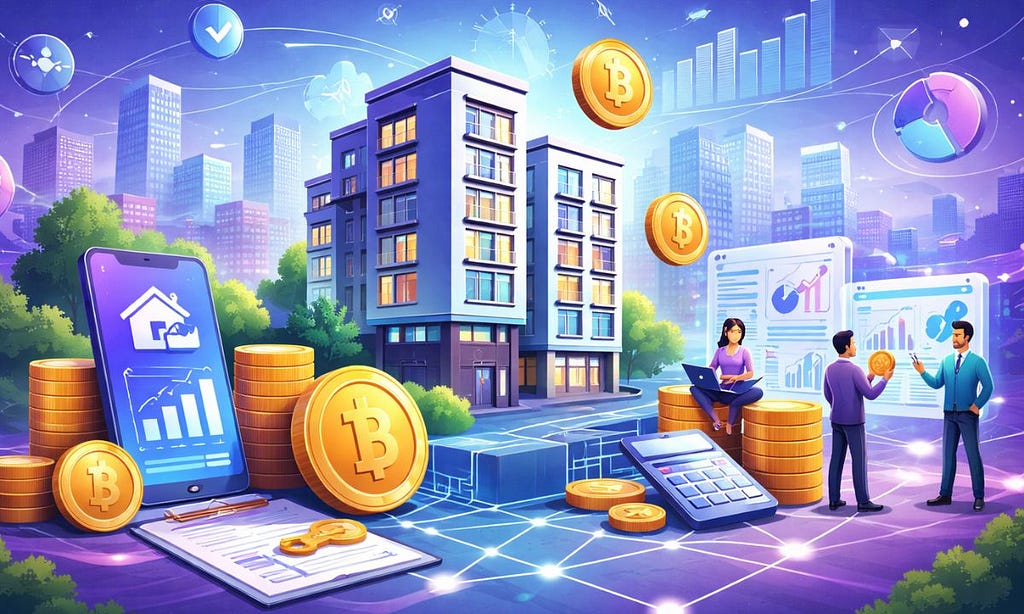
Real estate investment has long been defined by large capital requirements, slow transaction cycles, and limited participation from smaller investors. Ownership was often concentrated among institutions, developers, and high-net-worth individuals. Over time, indirect access through REITs and funds improved participation, yet the structure remained relatively rigid.
Tokenization introduces a different framework by converting ownership rights into digital units recorded on blockchain systems. Instead of requiring large upfront investments, properties can now be divided into smaller portions that investors can buy and hold. More importantly, these units can be transferred with fewer intermediaries, depending on the legal setup.
However, not every tokenization idea has worked in practice. Early attempts often focused heavily on technology while overlooking regulatory compliance, investor expectations, and operational realities. The models that are gaining traction today are those that mirror proven financial structures while incorporating digital efficiency in a controlled manner.
This article presents a detailed analysis of those business models, focusing on how they function, the methods they rely on, and why they are currently viable.
Foundational Structure of Tokenized Real Estate
Tokenization in real estate is not merely about issuing digital tokens. It is a layered system that combines legal ownership, financial structuring, and digital record-keeping.
At the base lies the physical asset, such as a residential building, commercial office, or rental property. This asset is typically held within a legal entity, most commonly a Special Purpose Vehicle. The SPV acts as the formal owner of the property, ensuring that investor rights are clearly defined within an existing legal framework.
On top of this legal layer sits the digital representation. Tokens correspond to shares or economic rights within the SPV. These tokens do not replace legal ownership but reflect it. This distinction is critical because investor protection depends on enforceable legal claims, not just digital records.
The success of any tokenization model depends on how effectively these layers are aligned. Weak integration often leads to confusion around ownership, income rights, or exit options.
Market Conditions Supporting Tokenization Today
Several economic and structural shifts have contributed to the gradual acceptance of tokenized real estate.
Property prices in many urban regions have increased beyond the reach of average investors, creating demand for smaller ticket investments. At the same time, investors are seeking alternatives to traditional equities and bonds, especially in uncertain market conditions.
Digital platforms have also normalized online investing. People are increasingly comfortable managing portfolios through applications, which makes tokenized assets easier to distribute. In parallel, some jurisdictions have introduced clearer guidelines around digital securities, reducing legal ambiguity.
Despite these developments, adoption remains selective. Investors are cautious, and platforms must demonstrate reliability, proper governance, and consistent returns.
Business Model 1: Single-Asset Fractional Ownership Platforms
Structure and Investment Logic
The most straightforward and widely adopted model involves fractional ownership of individual properties. In this structure, each property is placed into a separate legal entity. Tokens are issued to represent shares in that entity, allowing investors to own a fraction of the asset.
Income is generated through rent, while appreciation may contribute to long-term returns. Investors benefit from both without directly managing the property.
This model closely resembles traditional co-investment structures, which helps in gaining investor confidence.
Operational Methods
- Property Acquisition and Due Diligence
Platforms identify properties with stable income potential. Detailed analysis is conducted, including tenant quality, location trends, and maintenance requirements. Only assets with predictable cash flow are typically selected. - Legal Structuring Through SPVs
Each property is assigned to a dedicated SPV. Investors hold shares in the SPV, not the physical asset. This structure simplifies ownership distribution and protects investors in case of disputes. - Token Issuance and Allocation
The total value of the property is divided into units, each represented by a token. Investors purchase tokens based on their desired investment size. Smart contracts record ownership and manage distribution logic. - Rental Income Distribution
Rental income is collected, operational costs are deducted, and net income is distributed to token holders. Payments are usually periodic, such as monthly or quarterly. - Secondary Market Access
Some platforms provide internal marketplaces where investors can sell tokens. While liquidity is still developing, this feature offers flexibility compared to traditional property ownership.
Why It Works in Today’s Market
This model works because it is easy to understand and aligns with familiar investment concepts. Investors can evaluate individual properties and make decisions based on location, rental yield, and tenant profile.
At the same time, platforms benefit from repeatable structures. Once the legal and operational framework is established, new properties can be added with relatively predictable processes.
Business Model 2: Diversified Tokenized Property Funds
Concept and Investor Appeal
Instead of focusing on a single asset, this model pools multiple properties into a single investment vehicle. Investors purchase tokens representing a share of the entire portfolio.
This approach reduces exposure to the performance of any one property. It also creates a smoother income profile, which is appealing to investors seeking stability.
Structural Design
The portfolio is managed as a unified fund, often overseen by a professional asset manager. Properties may span residential, commercial, and mixed-use categories across different locations.
Returns are derived from aggregated rental income and, in some cases, asset sales.
Methods Used
- Portfolio Construction Strategy
Assets are selected to balance risk and return. High-yield properties may be combined with lower-risk assets to stabilize overall performance. Geographic diversification further reduces dependency on local markets. - Centralized Management Framework
A dedicated management team oversees leasing, maintenance, and tenant relations across all properties. This reduces inefficiencies compared to managing individual assets separately. - Income Pooling Mechanism
Rental income from all properties is combined. After deducting expenses, profits are distributed proportionally to investors. This smooths out fluctuations caused by vacancies or maintenance costs. - Periodic Rebalancing
Underperforming assets may be replaced or improved. The portfolio evolves over time to maintain performance standards.
Market Relevance
This model resembles traditional real estate funds, making it familiar to institutional and semi-professional investors. It is particularly effective in uncertain markets where diversification is valued.
Business Model 3: Tokenized Real Estate Debt Instruments
Investment Perspective
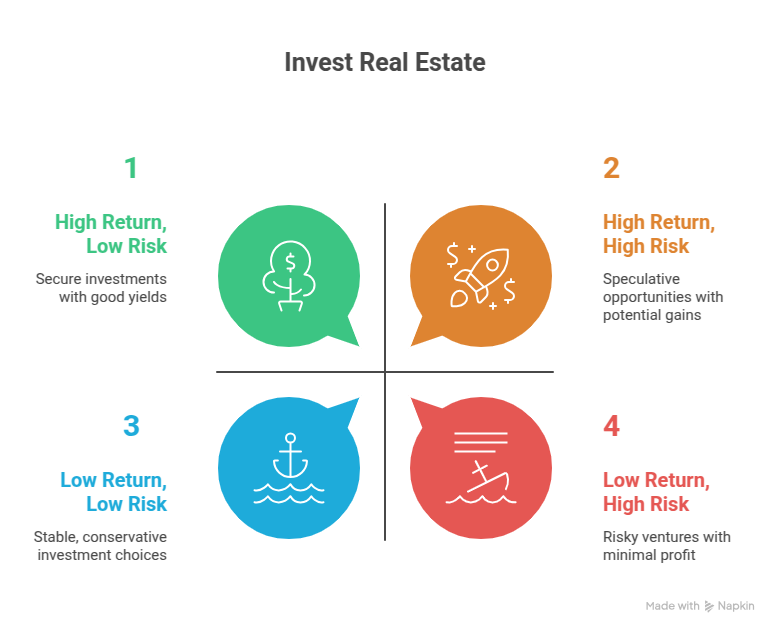
In this model, investors do not own property shares. Instead, they provide capital in the form of loans secured by real estate. Tokens represent portions of these loans.
Investors receive interest payments over a defined period, making this model closer to fixed-income investing.
Structural Framework
Borrowers, such as developers or property owners, seek financing. The platform structures a loan agreement and divides it into tokenized units. Investors fund the loan by purchasing these tokens.
The underlying property serves as collateral, offering protection in case of default.
Methods Used
- Borrower Assessment and Risk Evaluation
Platforms conduct credit checks, analyze project feasibility, and assess property value. Only borrowers meeting defined criteria are approved. - Loan Structuring and Token Mapping
The total loan amount is divided into smaller units, each represented by a token. Terms such as interest rate, repayment schedule, and duration are predefined. - Interest Distribution System
Investors receive periodic interest payments based on their holdings. Payments are tracked and distributed through automated systems. - Collateral Enforcement Mechanism
Legal rights are established to claim the property if the borrower defaults. This may involve lien registration and legal oversight.
Why This Model Is Gaining Acceptance
Investors often prefer predictable returns, especially in volatile markets. Debt-based models provide clarity in terms of yield and duration, making them easier to evaluate compared to equity investments.
Business Model 4: Development Financing via Token Issuance
Capital Formation Approach
Real estate development requires significant capital, and traditional financing methods can be restrictive. Tokenization provides an alternative by allowing developers to raise funds from a wider investor base.
Investors contribute capital in exchange for a share of future profits or revenue generated by the project.
Project Lifecycle Integration
Funds are typically raised before or during construction. Once the project is completed, returns are realized through sales, leasing, or refinancing.
Methods Used
- Pre-Project Evaluation and Planning
Detailed feasibility studies are conducted, including cost estimates, timelines, and expected returns. Investors rely heavily on this information. - Token-Based Fundraising Rounds
Capital may be raised in stages, with early investors receiving favorable terms. This phased approach reduces risk for both developers and investors. - Milestone-Linked Fund Release
Funds are not disbursed all at once. Instead, they are released based on construction progress verified by third parties. - Defined Exit Strategies
Investors are informed about how returns will be generated, whether through property sales, rental income, or refinancing.
Market Suitability
This model is particularly useful in regions where developers face funding constraints. It opens access to capital while giving investors exposure to development-stage returns.
Business Model 5: Tokenized REIT-Like Investment Structures
Conceptual Alignment with Traditional REITs
This model mirrors the structure of Real Estate Investment Trusts but replaces conventional shares with digital tokens. Investors gain exposure to large-scale property portfolios and receive regular income distributions.
Structural Composition
A central entity manages a portfolio of income-generating assets. Tokens represent ownership shares in this entity, and investors receive dividends based on performance.
Methods Used
- Institutional Asset Selection
Large, income-generating properties such as office spaces, logistics hubs, and residential complexes are included. - Governance and Reporting Systems
Professional management teams oversee operations. Regular reporting provides transparency into performance and expenses. - Dividend Distribution Framework
Net income is distributed periodically. The process is automated to reduce administrative overhead. - Regulatory Compliance Measures
Platforms adhere to securities regulations, including investor verification and reporting standards.
Why It Remains Viable
This model benefits from familiarity. Investors understand how REITs work, which reduces hesitation. The token layer mainly improves access and operational efficiency.
Business Model 6: Hybrid Utility and Ownership Structures
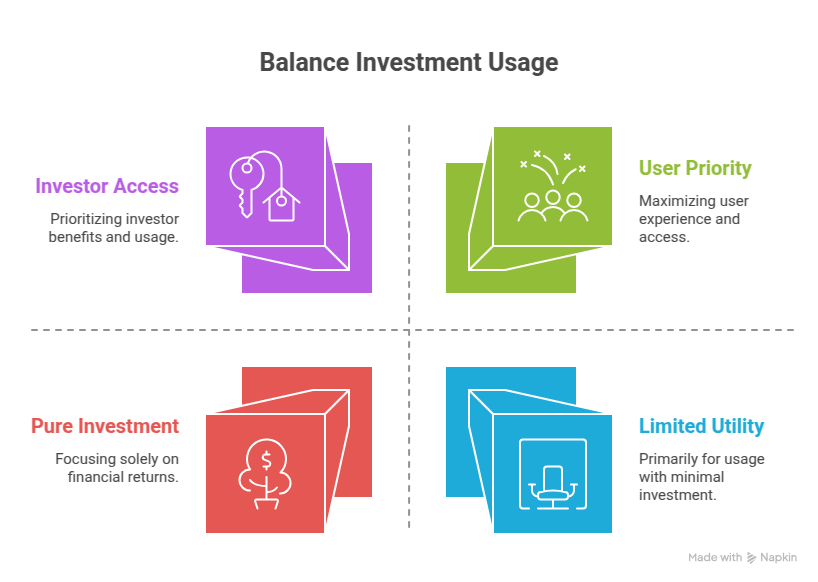
Combining Investment with Usage
Some platforms combine financial ownership with practical usage rights. For example, investors may hold tokens that provide both income and access to properties, such as vacation homes or co-living spaces.
Value Proposition
This dual structure attracts investors who are interested not only in returns but also in personal use. It creates a different type of demand compared to purely financial investments.
Methods Used
- Dual Rights Allocation
Tokens are designed to include both income rights and usage privileges. Rules are established to balance access among holders. - Access Management Systems
Digital platforms allow token holders to book stays or use facilities. Priority may depend on token holdings. - Revenue Blending Approach
Income is generated from both rental activity and user engagement. This diversifies revenue streams. - Community-Based Governance
Token holders may participate in decisions related to property usage, pricing, or upgrades.
Practical Considerations
While this model introduces additional appeal, it also adds complexity. Balancing investor returns with user access requires careful planning and clear rules.
Closing Perspective: What Defines a Working Model Today
The models that are succeeding in today’s market share several characteristics. They rely on clear legal structures, focus on income visibility, and align with familiar investment frameworks. Technology plays a supporting role rather than acting as the central proposition.
Investors are not drawn to novelty alone. They look for reliability, clarity in returns, and manageable risk. Business models that reflect these priorities are more likely to gain traction.
As the market matures, further development is expected in secondary trading, institutional participation, and regulatory clarity. However, the foundation will remain rooted in practical financial design rather than experimental structures.
Regulatory Structures and Compliance-Oriented Business Models
The Role of Legal Design in Tokenized Real Estate
One of the defining differences between early tokenization attempts and current working models lies in regulatory alignment. Platforms that treated tokenization purely as a technological layer often faced legal roadblocks, investor distrust, or operational shutdowns. In contrast, models that integrate compliance into their structure from the outset have shown far greater resilience.
Real estate is inherently tied to jurisdiction-specific laws, including property rights, securities regulations, taxation, and investor protection norms. Tokenization does not bypass these frameworks. Instead, it must operate within them.
Today’s viable business models treat tokens as regulated financial instruments rather than informal digital units. This approach has allowed platforms to operate more sustainably and attract serious investors.
Compliance-Centric Operational Structure
In compliance-oriented models, the legal framework dictates how tokens are issued, traded, and managed. The digital layer simply reflects these rules.
For instance, many platforms classify tokens as securities. This classification requires adherence to investor verification procedures, disclosure norms, and restrictions on transferability.
Methods Used
- Jurisdiction Selection Strategy
Platforms often choose to operate in regions with clearer digital asset regulations. This reduces uncertainty and allows structured growth. Some jurisdictions provide regulatory sandboxes where new financial models can be tested under supervision. - Investor Verification Processes (KYC and AML)
Before purchasing tokens, investors must complete identity verification. This includes documentation checks, risk profiling, and compliance with anti-money laundering requirements. - Structured Offering Documents
Detailed documentation is provided to investors, outlining risks, expected returns, legal rights, and exit mechanisms. These documents resemble traditional prospectuses. - Transfer Restrictions and Controls
Tokens may not be freely tradable in all cases. Some models restrict transfers to verified participants or approved platforms to maintain regulatory compliance. - Ongoing Reporting and Auditing
Platforms provide periodic updates on property performance, income distribution, and operational costs. Independent audits increase credibility.
Why Compliance-Focused Models Work
Investors, particularly institutional participants, require clarity and legal protection. Compliance-oriented models reduce uncertainty and create a structured investment environment. While this may limit certain features such as unrestricted trading, it builds long-term credibility.
Secondary Marketplaces and Liquidity-Oriented Models
The Liquidity Challenge in Real Estate
One of the longstanding issues in real estate investment is illiquidity. Selling a property can take months, and partial exits are rarely possible. Tokenization introduces the possibility of secondary trading, where investors can sell their holdings without waiting for a full asset sale.
However, liquidity does not arise automatically. It requires active marketplaces, sufficient investor participation, and regulatory approval.
Structure of Secondary Trading Platforms
Some tokenization platforms incorporate internal trading systems, while others integrate with external exchanges designed for digital securities. These marketplaces allow investors to list tokens for sale and find buyers within a controlled environment.
Methods Used
- Internal Trading Platforms
Many platforms create their own marketplaces where verified users can trade tokens. This ensures compliance while providing some level of liquidity. - Matching Mechanisms
Buy and sell orders are matched through automated systems. Pricing may be determined by market demand or guided by valuation benchmarks. - Liquidity Windows
Instead of continuous trading, some models allow trading during specific periods. This helps manage demand and maintain orderly markets. - Price Discovery Frameworks
Valuation is supported through periodic property assessments, rental performance data, and comparable market analysis. - Integration with Digital Asset Exchanges
In certain jurisdictions, tokens may be listed on regulated exchanges that support digital securities, expanding the investor base.
Market Reality
While secondary markets exist, liquidity remains limited compared to public equities. Successful models focus on gradual improvement rather than promising immediate high liquidity. Transparency in pricing and transaction processes plays a critical role in building trust.
Institutional Participation and Partnership-Driven Models
Entry of Professional Capital
As tokenization matures, institutional players such as real estate firms, asset managers, and private equity groups are beginning to participate. Their involvement adds credibility and improves asset quality.
Rather than building tokenization systems from scratch, many institutions partner with technology platforms. This creates hybrid models where traditional real estate expertise meets digital distribution channels.
Structural Collaboration
In these models, the institution typically manages property acquisition and operations, while the platform handles token issuance, investor onboarding, and digital record-keeping.
Methods Used
- Joint Venture Structures
Institutions and platforms form partnerships where responsibilities are clearly divided. This ensures professional asset management alongside efficient investor access. - Institutional-Grade Asset Selection
Properties included in these models are often high-value assets with stable income, such as commercial offices, logistics centers, or residential complexes. - Capital Stacking Approach
Tokenized equity may sit alongside traditional financing such as bank loans or private equity. This layered capital structure improves financial flexibility. - Investor Segmentation
Different classes of tokens may be offered to different investor groups, including retail participants and accredited investors. - Governance and Oversight Mechanisms
Institutional standards for reporting, risk management, and compliance are applied. This enhances investor confidence.
Why This Model Is Expanding
Institutional participation addresses one of the major concerns in tokenization: asset quality. Investors are more willing to participate when properties are managed by experienced professionals with a proven track record.
Revenue Models Behind Tokenization Platforms
Beyond Asset Ownership
While much attention is given to how investors earn returns, the sustainability of tokenization platforms depends on their own revenue models. Platforms must generate consistent income to maintain operations, manage assets, and comply with regulations.
Primary Revenue Streams
Tokenization platforms typically rely on multiple income sources rather than a single stream.
Methods Used
- Asset Listing Fees
Property owners or developers pay fees to have their assets tokenized and listed on the platform. This covers structuring, legal work, and digital issuance. - Transaction Fees
Platforms charge fees on token purchases and secondary market trades. This creates ongoing revenue as investor activity increases. - Management Fees
For portfolio-based models, platforms may charge a percentage of assets under management. This aligns with traditional fund structures. - Performance-Based Fees
Some platforms earn additional income based on asset performance, particularly in development or high-return projects. - Custody and Administrative Charges
Fees may be applied for maintaining digital records, handling compliance processes, and managing investor accounts.
Financial Sustainability Considerations
Platforms that rely solely on initial token issuance fees often struggle over time. Sustainable models incorporate recurring revenue streams tied to asset performance and investor activity.
Technology Infrastructure Supporting Working Models
Practical Role of Technology
While tokenization is often associated with blockchain innovation, technology plays a supporting rather than dominant role in successful business models. The focus is on reliability, security, and integration with existing financial systems.
Core Components
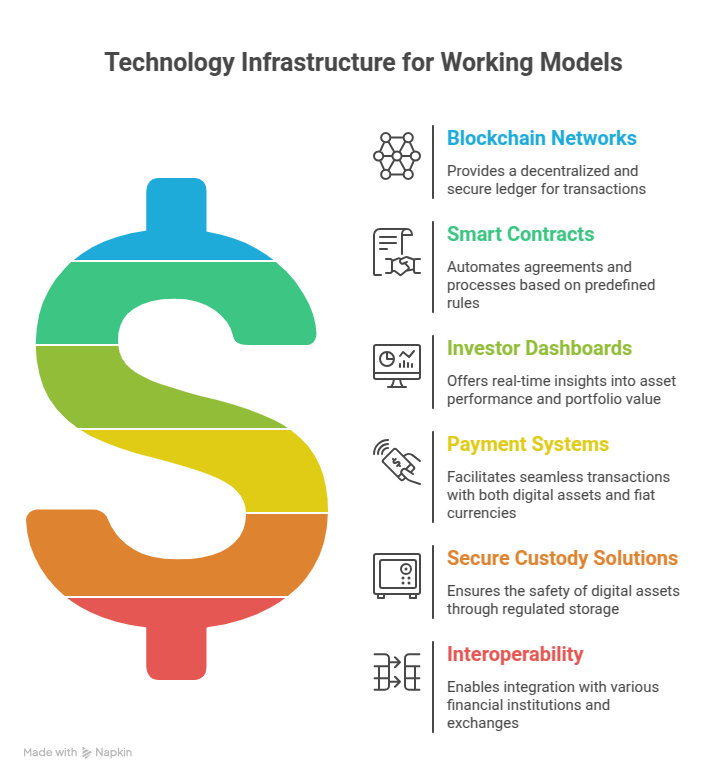
The technology stack typically includes blockchain networks, smart contracts, investor dashboards, and payment systems.
Methods Used
- Smart Contract Design
Smart contracts define ownership records, income distribution rules, and transaction processes. These contracts are tested and audited to prevent errors. - Secure Custody Solutions
Digital assets are stored in secure wallets, often managed by regulated custodians. This reduces the risk of loss or unauthorized access. - Integration with Traditional Payment Systems
Platforms support both digital assets and fiat currencies, allowing broader participation. - Data Reporting Interfaces
Investors have access to dashboards that provide real-time or periodic updates on asset performance, income, and portfolio value. - Interoperability Considerations
Systems are designed to integrate with exchanges, legal registries, and financial institutions where necessary.
Why Simplicity Matters
Complex technological features do not necessarily improve adoption. Platforms that focus on reliability and user experience tend to perform better than those emphasizing novelty.
Investor Behavior and Market Adoption Patterns
Changing Investor Expectations
Investor interest in tokenized real estate is shaped by broader economic conditions. In periods of uncertainty, there is greater demand for income-generating assets and capital preservation.
Tokenization attracts a mix of participants, including retail investors seeking access and experienced investors looking for diversification.
Observed Patterns
- Preference for income-focused investments over speculative appreciation
- Interest in shorter investment horizons through secondary trading options
- Demand for transparency in reporting and fee structures
- Growing acceptance of digital investment platforms
Methods Platforms Use to Attract Investors
- Educational Content and Onboarding Support
Platforms invest in explaining how tokenization works, including risks and benefits. - Low Minimum Investment Thresholds
Allowing smaller investments increases participation and broadens the investor base. - Consistent Income Distribution
Regular payouts build trust and encourage reinvestment. - Clear Exit Options
Even if liquidity is limited, defined exit mechanisms improve investor confidence.
Future Outlook: Gradual Expansion with Structural Discipline
real estate asset tokenization is progressing through a phase of practical refinement. The initial excitement around digital assets has given way to a more measured approach focused on financial viability and regulatory alignment.
The models that are currently working share several defining traits. They rely on established investment structures, maintain legal clarity, and focus on delivering consistent returns. Technology supports these objectives but does not replace them.
In the coming years, further growth is likely to come from improved secondary markets, broader institutional participation, and clearer regulatory frameworks across more jurisdictions. At the same time, platforms will need to maintain discipline in asset selection, financial structuring, and investor communication.
Tokenization is not a replacement for traditional real estate investment. Instead, it introduces new ways to access and manage property assets. The business models that succeed are those that respect the fundamentals of real estate while adapting to changing investor expectations.
Real Estate Asset Tokenization Business Models That Work in Today’s Market was originally published in Coinmonks on Medium, where people are continuing the conversation by highlighting and responding to this story.