Polygun, the Telegram bot that mirrors Polymarket
 Web3,Crypto,blog4 min read·Just now
--
Prediction markets used to be for people who knew how to navigate clunky interfaces, connect a crypto wallet, and figure out gas fees before placing a single bet. Polygun changes that. It’s a Telegram bot that pulls data directly from Polymarket and lets you interact with it without ever leaving your chat app.
PolyGun Bot | Polygun Sniper Bot - Trade Polymarket Inside Telegram
PolyGun Bot is the #1 Telegram bot for Polymarket trading. Place orders, set sniper limits, and copy top wallets - all…
polygunsniperbot.com
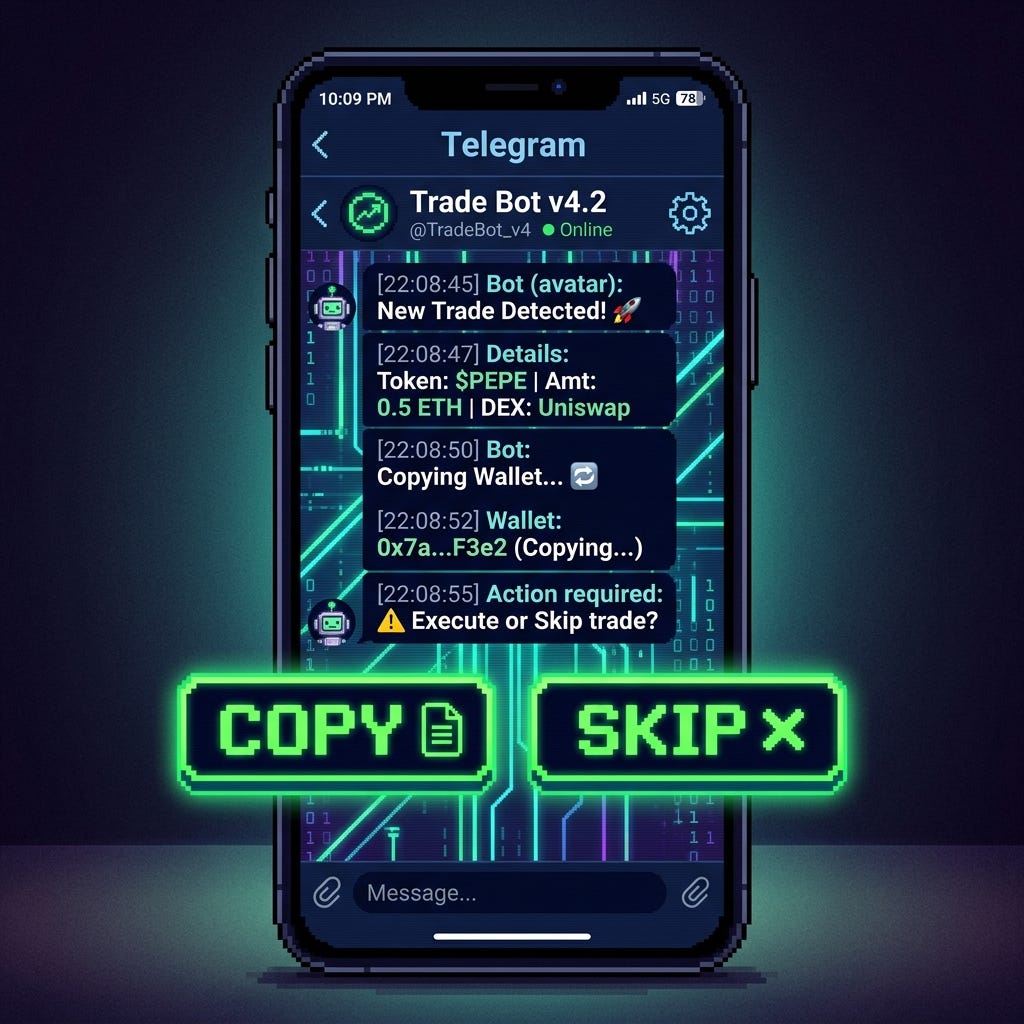
No browser, no wallet setup on a website, no clicking through five screens. You type a command, the bot responds with odds, market data, or a trade confirmation. That’s the whole pitch, and honestly it works.
What Polymarket actually is
Polymarket is a prediction market platform built on Polygon, where people bet real money on the outcomes of real world events. Elections, sports, economic indicators, geopolitical events. The odds aren’t set by a bookmaker, they move based on what people are willing to pay.
If 60% of the money says “yes,” the “yes” share costs around 60 cents. If the event happens, that share pays out one dollar. If it doesn’t, it’s worth nothing. It’s a decentralized way to aggregate what people actually believe, not just what they say.
Why a Telegram bot makes sense here
Most Polymarket users aren’t professional traders. They’re people who want to put a few dollars behind a conviction. Telling that audience to connect a Web3 wallet through a browser extension is friction that kills the use case.
Telegram is where a lot of crypto conversation already happens. Channels, groups, alpha hunters, signal bots, all of it lives there. Bringing Polymarket data into that environment means the information is where the people already are.
One person put it well on X: “Polygun is what Polymarket should have shipped as its mobile experience.” That’s not a jab, it’s an observation. Bots have always been better than apps for quick lookups.
How the bot copies Polymarket data
Polymarket exposes a public API and a CLOB, which stands for Central Limit Order Book. Polygun reads from those endpoints and formats the output for Telegram. When you ask for market odds, the bot hits the Polymarket API, parses the response, and sends you something readable.
The “copy” in the headline isn’t deceptive. The bot doesn’t run its own market. It mirrors an existing one, gives you a window into it, and in some implementations lets you place orders that route back through to the real Polymarket contracts.
This architecture is common. Data aggregators, price bots, and portfolio trackers all work the same way. The edge isn’t in the data source, it’s in the interface.
What you can actually do with it
The core functions most Polygun implementations support are these.
Search open markets by keyword. Get the current yes and no prices on any active question. Check volume and liquidity on a given market. Set alerts when a price crosses a threshold. Some versions let you execute trades directly, which requires a connected wallet under the hood.
The alert feature is where it gets genuinely useful. Polymarket moves fast around breaking news, so a bot that pings you when “yes” on some political event crosses 70% is more valuable than checking a website manually.
The technical side, briefly
Building something like this isn’t complicated if you know the tools. The Polymarket CLOB API is public and documented. Telegram’s bot framework is mature, the python-telegram-bot library handles most of the scaffolding.
The harder part is keeping up. Polymarket adds new market types, changes endpoints, and the CLOB has evolved significantly over the past year. A bot that worked six months ago may need updates to handle current order formats.
Another person on X wrote: “The real alpha in Polygun isn’t the bot itself, it’s whoever wrote the parser that survives Polymarket API changes.” That’s the actual engineering problem here.
Limitations worth knowing
Polygun doesn’t give you an advantage in predicting outcomes. It gives you faster access to prices. Those are different things.
Liquidity on Polymarket is also thinner than it looks on popular markets. Large orders move the price. The bot will show you the current mid price, but your actual fill may differ if you’re putting in serious size.
Regulatory status is also unclear in many countries. Prediction markets sit in a grey zone. Using a bot to access one doesn’t change the underlying legal exposure, it just adds a layer of convenience on top of it.
Suggestion for readers
If you’re curious about prediction markets but haven’t engaged with them directly, start by browsing Polymarket without any money involved. Watch how prices move around events you already follow closely. Build an intuition for what the market is pricing in versus what you think will happen. Then, if you decide to participate, start with amounts you’d spend on a meal, not a month’s rent. Polygun makes access easier. That’s worth something, but easier access to markets is only useful if you’ve done the thinking first.