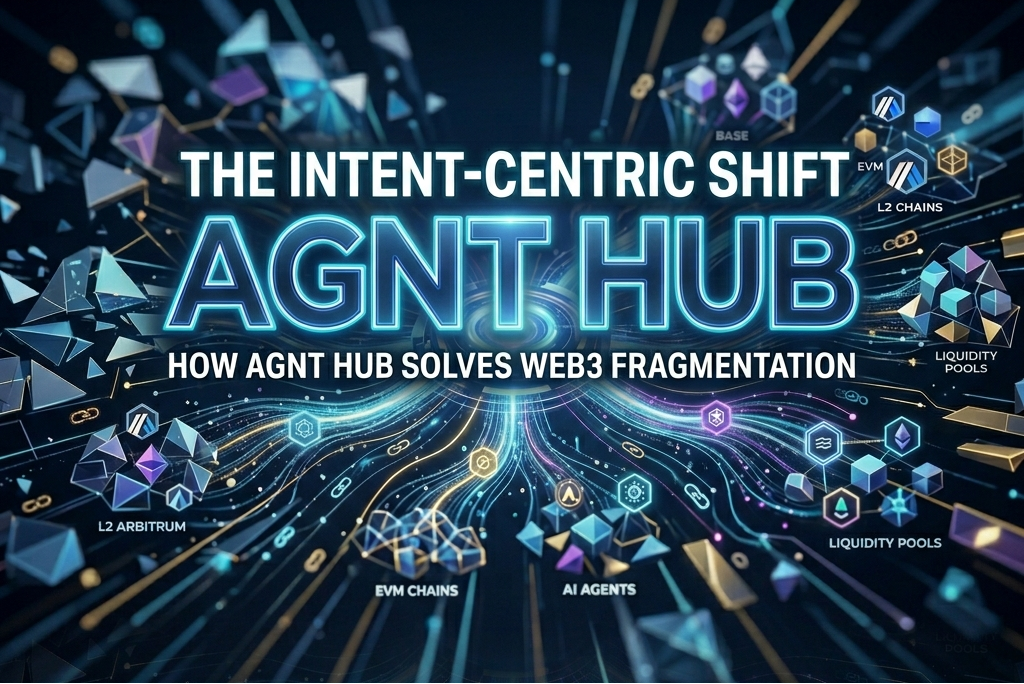
Why Web3 Is the Missing Layer in AI Commerce
--
As artificial intelligence rapidly evolves into an active participant in the global economy, a critical question emerges:
What infrastructure can truly support AI-driven commerce at scale?
The answer increasingly points toward one direction — Web3.
🔹 The Problem with Centralized Systems
Today’s internet economy is largely built on centralized platforms. While effective for human interaction, these systems introduce major limitations for AI:
- Restricted access and permissions
- Dependency on intermediaries
- Limited programmability
- Inefficient cross-border transactions
For AI systems that operate autonomously and globally, these constraints create friction.
🔹 What Web3 Brings to the Table
Web3 introduces a fundamentally different model — decentralized, programmable, and trustless infrastructure.
This enables:
- Direct peer-to-peer transactions
- Smart contract automation
- Ownership without intermediaries
- Transparent and verifiable systems
For AI commerce, this is exactly what’s needed.
🔹 AI + Web3: A Natural Fit
AI systems require:
- Instant execution
- Autonomous decision-making
- Continuous transactions
Web3 provides:
- Programmable money
- Real-time settlement
- Borderless access
Together, they create the foundation for intelligent, self-sustaining economic systems.
🔹 Real-World Implications
When AI and Web3 combine, new possibilities emerge:
- AI agents paying for services in real time
- Autonomous marketplaces with no human oversight
- Data being bought and sold instantly
- Decentralized apps powered entirely by intelligent systems
This is no longer futuristic — it’s already beginning.
🔹 The Role of Emerging Ecosystems
Projects like AEON are building within this intersection — leveraging Web3 principles to enable:
- AI-native payments
- Decentralized economic participation
- Seamless machine-to-machine transactions
These ecosystems act as the bridge between intelligence and value exchange.
🔹 Final Thought
AI brings intelligence.
Web3 brings ownership and transaction capability.
Together, they unlock a new kind of economy — open, autonomous, and global by design.