OPEC+ approves fourth consecutive oil output increase as Strait of Hormuz crisis deepens
The cartel keeps raising production targets it can't actually meet, while the largest oil supply disruption in history reshapes risk calculations for crypto investors.
Share
Add us on Google by Editorial Team Jun. 8, 2026OPEC+ agreed on June 7 to raise its July 2026 output targets by 188,000 barrels per day, the fourth straight monthly increase since April. The total quota bump across those four months now sits at nearly 600,000 bpd.
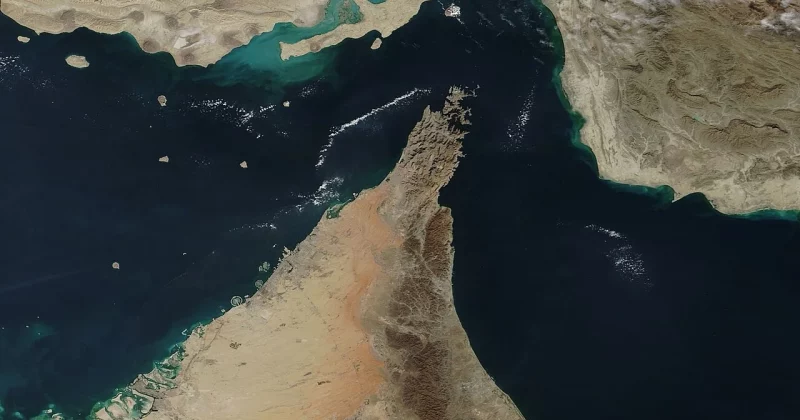
Almost none of that extra oil is actually flowing. The US-Iran conflict has shuttered the Strait of Hormuz since late February, creating what amounts to the largest oil supply disruption in recorded history. Several key OPEC+ members, including Saudi Arabia, have been unable to fully supply their customers for months.
AdvertisementA symbolic gesture with real consequences
Prior monthly hikes ranged from 188,000 to 206,000 bpd. Those came even after the UAE’s exit from OPEC+ in early May 2026 reshaped the group’s internal dynamics.
The war’s disruption of oil flows via the strait has hit buyers hard since the end of February. Saudi Arabia and other Gulf producers that route the bulk of their exports through that narrow waterway have been stuck, watching their output targets climb while their actual shipments lag behind.
What oil volatility means for crypto
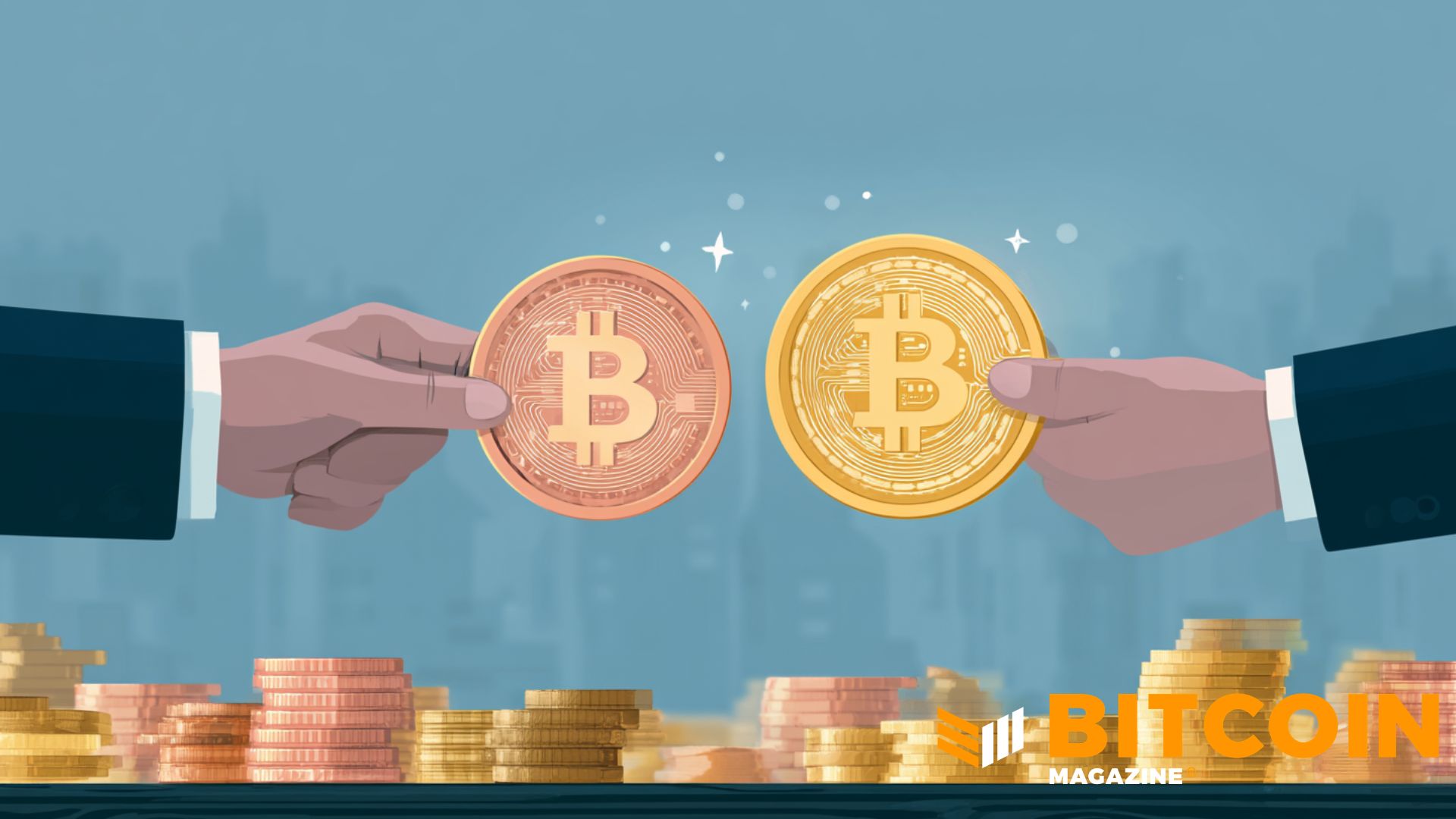
After ceasefire news broke in April, Bitcoin surged 2.9% and Ether climbed 5.6%, a reminder that crypto remains tightly coupled to geopolitical sentiment.
Bitcoin mining and the energy cost squeeze
Bitcoin mining is one of the most energy-intensive industrial activities on the planet, and sustained high oil prices ripple through electricity costs even for miners running on non-petroleum power sources. Miners in regions dependent on natural gas or oil-derived electricity face the most immediate pressure. When oil prices climb, they drag wholesale energy markets higher across the board.
The Hormuz closure has now persisted for over three months with no clear resolution timeline.
Disclosure: This article was edited by Editorial Team. For more information on how we create and review content, see our Editorial Policy.