OPEC+ plans small oil output quota hike for July, but the Strait of Hormuz makes it mostly symbolic
The alliance's fourth consecutive monthly production increase looks good on paper, less so in practice.
Share
Add us on Google by Editorial Team Jun. 8, 2026OPEC+ just approved another modest bump to its collective oil output, raising quotas by 188,000 barrels per day starting in July 2026. On its face, this is a signal that the world’s most powerful oil cartel is slowly unwinding the deep production cuts it imposed back in 2023.
Here’s the thing. With the Strait of Hormuz effectively shut down due to the US-Iran conflict, many analysts view this increase as largely symbolic. You can raise your production ceiling all you want, but if the oil can’t get to market, the ceiling is decorative.
What OPEC+ actually decided
The decision came out of a virtual conference on June 7 involving ministers from seven key members: Saudi Arabia, Russia, Iraq, Kuwait, Kazakhstan, Algeria, and Oman.
AdvertisementThis marks the fourth consecutive monthly quota increase since April 2026. Iraq’s individual quota goes up by 26,000 bpd under the new agreement.
OPEC+ members voluntarily cut production in 2023 to prop up prices during a period of demand uncertainty. Now they’re slowly walking those cuts back, testing whether the market can absorb more supply without cratering prices.
The Strait of Hormuz problem
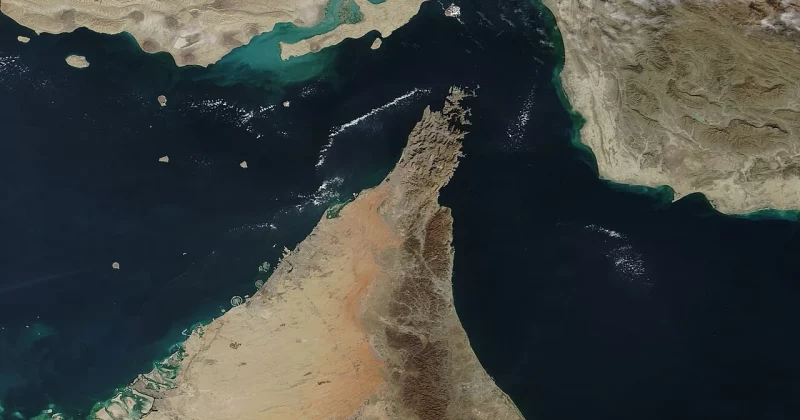
The Strait of Hormuz, which normally handles roughly a fifth of the world’s petroleum consumption, has been disrupted by the ongoing US-Iran conflict. This narrow waterway between Iran and Oman is the single most important chokepoint in global energy logistics.
This is why analysts have been largely dismissive of the announcement’s near-term impact. The supply chain bottleneck isn’t at the wellhead. It’s at the shipping lane. OPEC+ countries can pump more crude, but getting it to refineries in Asia, Europe, and beyond is an entirely different challenge when the Strait is effectively closed.
What this means for investors
The symbolic nature of the increase means it’s unlikely to push crude prices significantly lower. The ongoing Hormuz disruption continues to put upward pressure on prices that these modest quota hikes can’t meaningfully offset.
If the US-Iran situation de-escalates and shipping through the Strait normalizes, the cumulative effect of four consecutive monthly increases starts to matter. That’s a meaningful amount of supply waiting to actually hit the market once logistics allow it.
Disclosure: This article was edited by Editorial Team. For more information on how we create and review content, see our Editorial Policy.