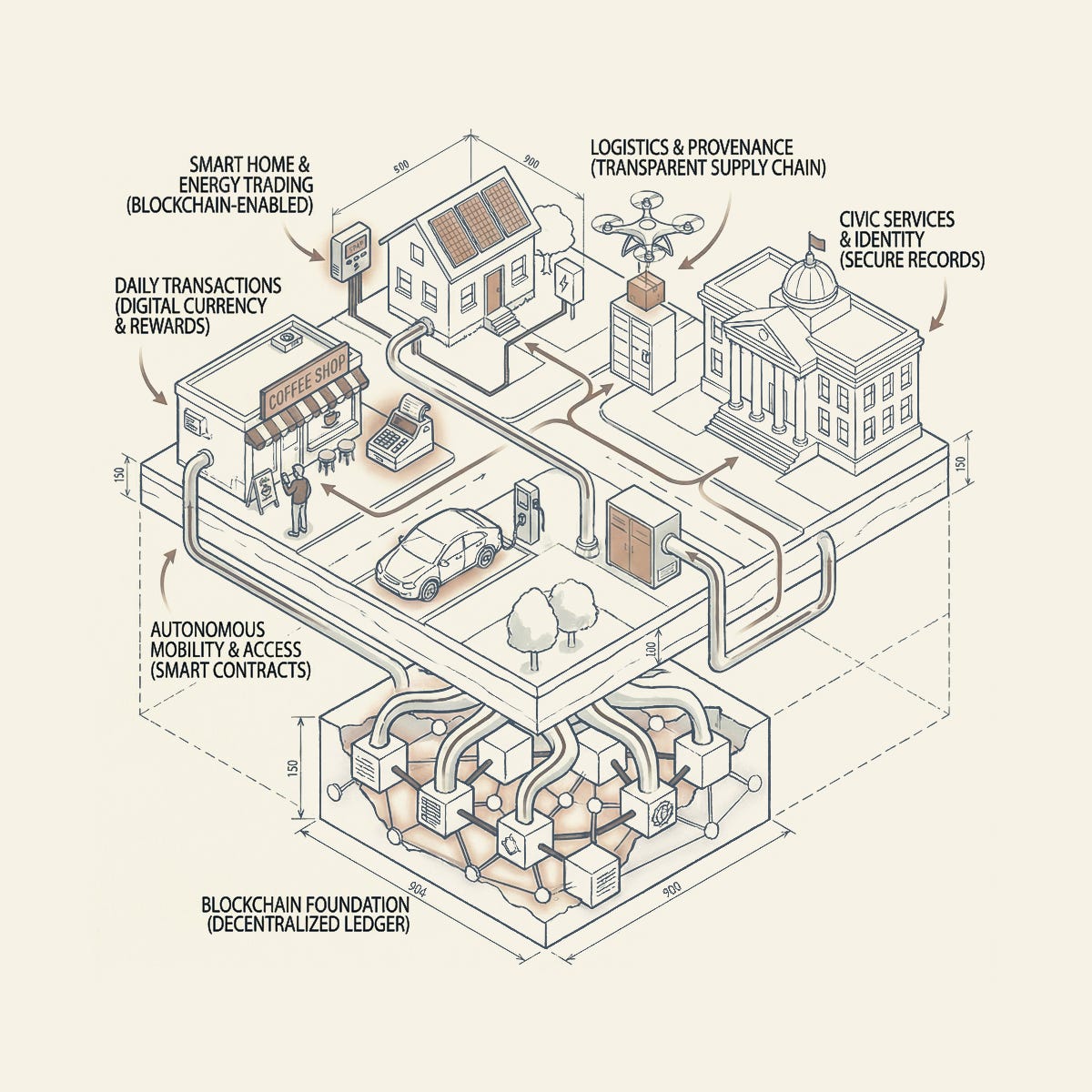
The recent DeFi attacks have been more than just a security lapse triggering market-wide FUD. Instead, they signal a broader wake-up call. At face value, these three back-to-back hacks, including the latest exploit of the KelpDAO protocol, have resulted in over $600 million in total losses. They initially appear to have shaken user confidence across the expanding DeFi ecosystem. However, the real takeaway goes beyond the immediate damage. It points to deeper structural issues in the system as a whole. It essentially shows how DeFi is becoming increasingly complex, layered, and less transparent, drifting away from the core principles of decentralization on which developers originally built it. Before it reveals this shift, Bobby Gray, CEO and co-founder of TEXITcoin, told AMBCrypto: The KelpDAO hack shows how complex DeFi systems have become, with risk spread across multiple layers like bridges and verification networks. He continued, This increased complexity and intervention is pushing crypto further away from its original principles of transparency, simplicity, and direct participation. In essence, the KelpDAO, Drift Protocol, and Hyperbridge attacks were not just isolated incidents, creating instability across DeFi, with major capital outflows and sharp drops in total value locked across multiple protocols. Instead, they point to a deeper systemic issue and bring “decentralization” under scrutiny. Notably, when we examine the aftermath of the KelpDAO attack, the discussion shifts from theory to real-world impact. Naturally, it raises a more pressing question: If these exploits continue to affect DeFi at a fundamental level, is the reported $15 billion in TVL outflows just the early stage of a larger structural shift? Growing risks in DeFi infrastructure The KelpDAO attack aftermath shows that DeFi risks go well beyond the $600 million in direct losses. In a post on X, an analyst tracked the hacker’s movements in detail, starting with the full drainage of 75,701 ETH ($175 million) from the attacker’s holdings. The attacker then converted the funds into Bitcoin [BTC] through THORChain, highlighting how quickly stolen assets can move across DeFi infrastructure. In response to the incident, Mantle proposed a 30,000 ETH ($70 million) loan to Aave to help contain liquidity stress and stabilize market conditions. Lido also joined the response, proposing one-time emergency support of 2,500 stETH ($5.82 million) to help reinforce liquidity across affected protocols. On the surface, this coordinated response sounds like a rapid effort to restore confidence. However, looking deeper, it highlights the underlying structural risks that Gray told AMBCrypto. The hacker converting stolen ETH into BTC makes it harder to trace funds as they move across different systems. Naturally, this cross-chain flow puts DeFi infrastructure under greater scrutiny. In this context, the $15 billion TVL wipeout reflects more than just “temporary” panic selling. Instead, it may signal the beginning of a deeper structural shift in how liquidity flows and responds to risk events across the broader DeFi market, making the KelpDAO attack an inflection point for the entire DeFi ecosystem. Final Summary The KelpDAO attack highlights how multi-layered DeFi infrastructure makes asset tracing and risk containment harder. The $15 billion TVL outflows suggest this is more than panic selling, pointing to a potential long-term shift in how capital reacts to DeFi.
‘KelpDAO hack shows how complex DeFi systems have become,’ says CEO
This article was originally published on AMBCrypto and is republished here under RSS syndication for informational purposes. All rights and intellectual property remain with the original author. If you are the author and wish to have this article removed, please contact us at [email protected].