Blockchain Had a Branding Problem. It’s Getting Better.
 Base582 min read·Just now
--
For most of the last decade, saying “blockchain” in a business meeting produced one of two reactions: either someone leaned forward with the energy of a man who’d just discovered coffee, or someone’s eyes glazed over completely. No middle ground. No nuance. Just evangelists and skeptics, talking past each other indefinitely.
The evangelists promised everything would be tokenized by 2021. The skeptics said it was all glorified spreadsheets. Both were wrong, which is the most boring possible outcome.
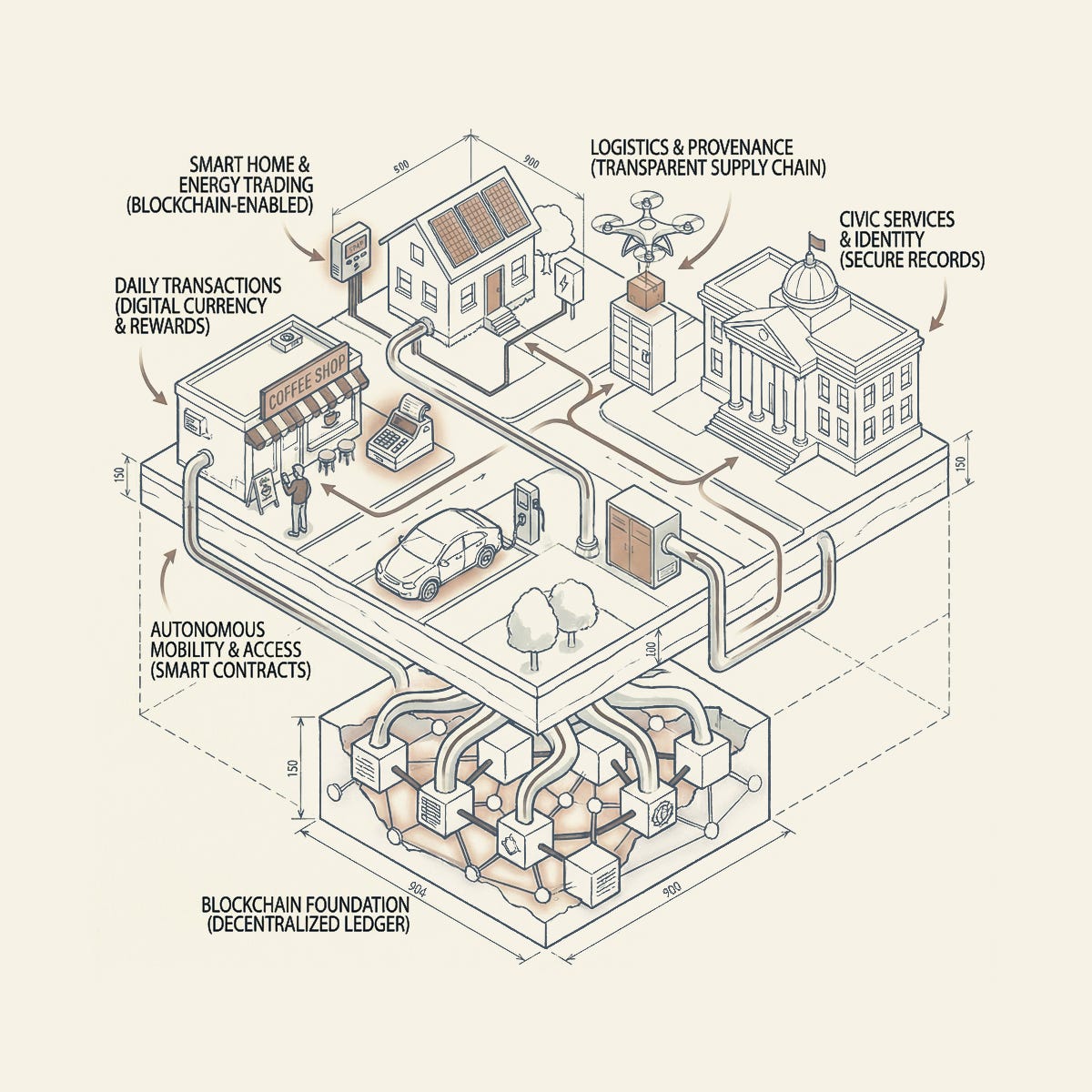
Here’s what actually happened: the technology quietly matured while everyone was arguing about it. Smart contracts started handling real financial transactions. Private blockchains entered supply chains without anyone issuing a press release. DeFi protocols began offering loan mechanisms that would have required three bank departments and a fortnight to replicate traditionally.
None of this made headlines because it wasn’t dramatic. Functional rarely is.
What’s interesting now isn’t the concept — it’s the implementation gap. Most companies understand blockchain exists. Very few know which problems it actually solves better than existing systems, and which problems it solves worse while costing significantly more. That distinction is worth understanding before anyone signs anything.
The full breakdown — smart contracts, private blockchain, DeFi, tokenization, and where each actually makes sense in practice — is on Base58: Where Blockchain Becomes Everyday Reality
The technology has moved on. The conversation probably should too.