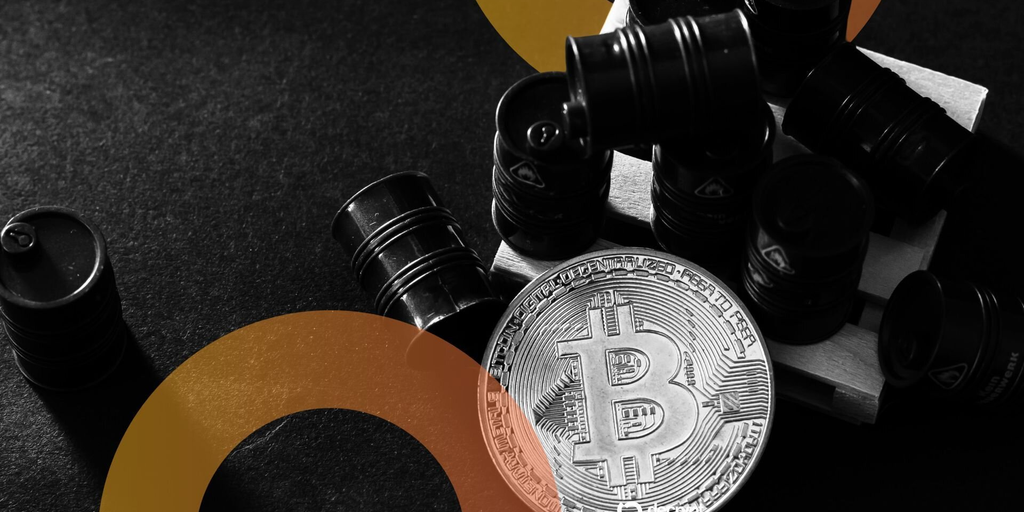
Iran’s Supreme Leader closing the Strait of Hormuz has increased market tensions, with Bitcoin having dipped to $60,000 in April and now facing potential volatility from the geopolitical fallout.
Market reaction
Traders are watching Bitcoin as a possible hedge against rising oil prices and broader economic uncertainty. The Strait of Hormuz is a chokepoint for global oil transit, and its closure would push energy prices higher across sectors from healthcare to tech. That dynamic could drive more capital toward Bitcoin as an alternative to traditional assets under stress.
Humana’s earnings report, alongside its revised FY2026 EPS guidance, illustrates the economic ripple effects. Humana’s adjusted EPS beat estimates, but the company lowered its guidance, reflecting caution around rising healthcare costs tied to geopolitical pressures. Bitcoin traders are factoring in these economic shifts and regulatory uncertainties when assessing market stability.
Why it matters
Volume in the Bitcoin price prediction market is stagnant, with no recent trades showing a significant shift. But if energy prices spike further or tensions escalate, activity will likely increase as traders move to hedge against traditional asset volatility. The lack of volume suggests traders are still sizing up the situation.
What to watch
For traders considering a bet on Bitcoin reaching $60,000, the geopolitical backdrop creates a clear thesis. Buying YES at current levels pays $1 if Bitcoin hits that threshold, a safe-haven play if oil and market volatility continue. The contrarian case: shorting on the expectation of regulatory crackdowns or weak economic data.
Watch for developments in the Middle East and any shifts in U.S. regulatory stances on cryptocurrencies. A reopening of the Strait or new regulatory moves could change Bitcoin’s trajectory quickly.
Get prediction market intelligence as a structured API feed. Early access waitlist.
Related to This Story ▲ Apple faces $38B penalty risk in India antitrust case, impacting market dynamics