Balancing Autonomy and Control: The Core Dilemma of AI Payments
--
As AI systems gain the ability to transact independently, a fundamental tension emerges — how much control should we give them?
This is not just a technical decision. It’s a philosophical and economic one that will shape the future of AI-driven markets.
🔹 The Promise of Full Autonomy
In its ideal form, an AI-powered economy looks like this:
- Agents operate independently
- Transactions happen instantly
- Decisions are optimized in real time
- Systems scale without human input
This level of autonomy unlocks massive efficiency.
🔹 The Risk of Unchecked Systems
But autonomy comes with risk.
An AI agent with financial access could:
- Overspend due to flawed logic
- Be exploited by malicious actors
- Interact with unreliable systems
- Make decisions that conflict with human intent
Without constraints, small errors can quickly become large-scale problems.
🔹 Why Control Still Matters
Control mechanisms ensure that AI systems operate within safe boundaries.
These include:
- Spending limits
- Transaction rules
- Conditional approvals
- Monitoring systems
The goal is not to restrict AI — but to guide it.
🔹 Programmability as the Solution
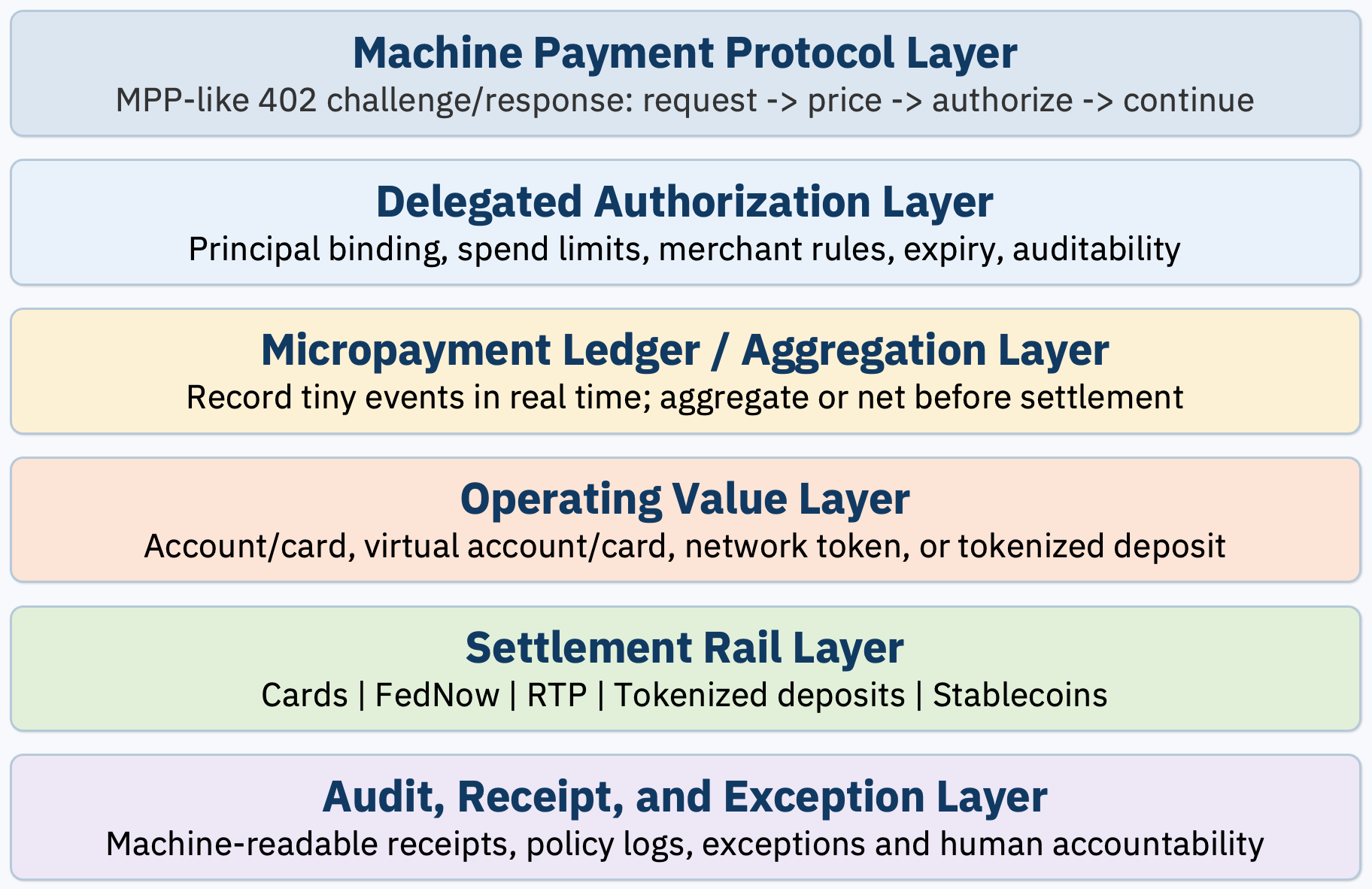
The key to balancing autonomy and control lies in programmability.
Instead of manual oversight, we embed logic directly into the system:
- “Only spend within this range”
- “Only transact with verified entities”
- “Pause activity under certain conditions”
This creates a framework where AI can act freely — within defined rules.
🔹 A New Model of Governance
This shift introduces a new form of governance:
- Not human-controlled
- Not fully autonomous
- But rule-based and adaptive
It’s a hybrid model designed for intelligent systems.
🔹 The AEON Approach
Within ecosystems like AEON, this balance is central.
By combining:
- Decentralization
- Programmable payments
- Community-driven frameworks
AEON aims to create an environment where AI systems can operate both independently and responsibly.
🔹 The Bigger Picture
The future economy won’t be controlled entirely by humans — or machines alone.
It will be shaped by systems of rules, incentives, and intelligent behavior.
🔹 Final Thought
Autonomy drives innovation.
Control ensures stability.
The future of AI payments depends on mastering both —
because true progress lies not in choosing one, but in balancing them effectively.