7 Benefits of Real Estate Asset Tokenization for Modern Investors
 Kevingeller5 min read·Just now
--
Real estate has long been viewed as a stable and rewarding investment option. However, traditional property investment often comes with high entry barriers, lengthy paperwork, and limited liquidity. In recent years, digital innovation has introduced a new approach that is changing how people invest in property. Real estate asset tokenization is gaining attention among modern investors who want more flexibility, accessibility, and efficiency in their portfolios.
By converting ownership rights of a property into digital tokens on a blockchain, investors can buy and sell fractions of real estate assets with ease. This approach is supported by Real Estate Tokenization Services and platforms developed by specialized providers. As more investors look for alternatives to traditional investment models, real estate tokenization development is becoming a preferred path.
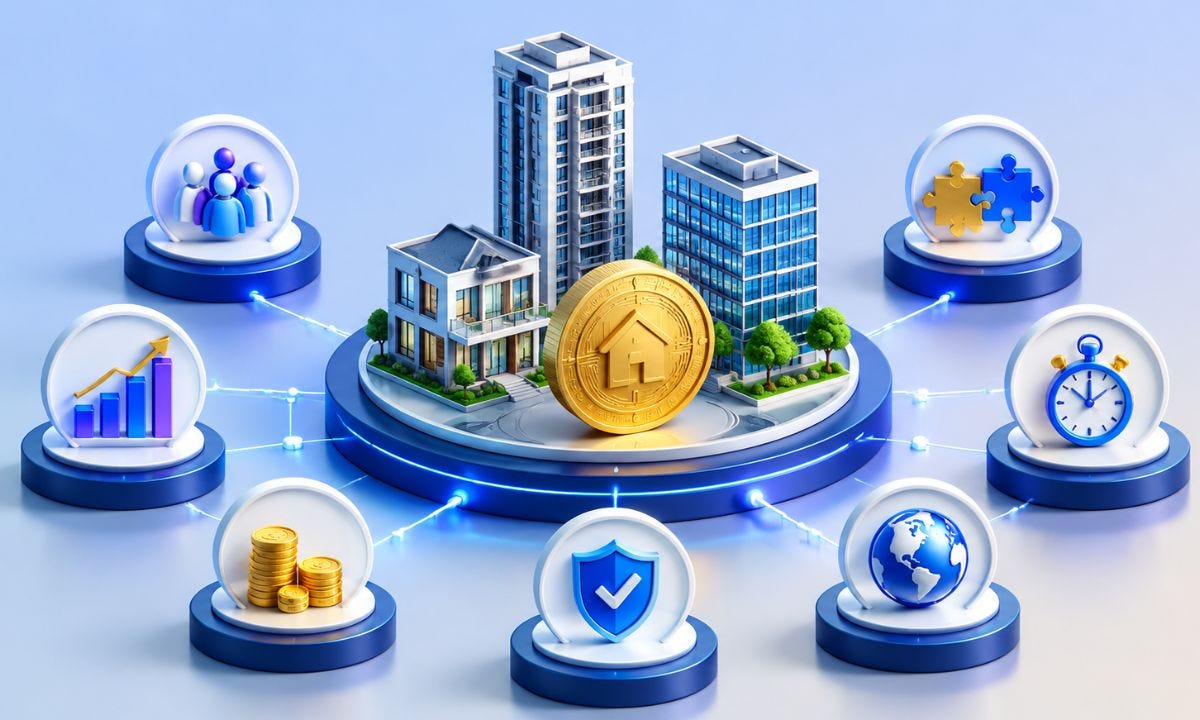
This blog discusses seven major benefits of real estate asset tokenization for modern investors, along with methods and practical insights to help understand its growing importance.
1. Lower Entry Barriers for Investors
One of the most important benefits of real estate asset tokenization is the ability to invest with smaller amounts of capital. Traditional real estate investments often require significant upfront funding, making it difficult for many individuals to participate.
With tokenization, properties are divided into smaller digital units. Investors can purchase a fraction of a property rather than the entire asset. This approach makes real estate investment accessible to a broader audience, including first-time investors.
Methods to Achieve Lower Entry Barriers:
- Fractional ownership through digital tokens
- Flexible investment amounts based on token pricing
- Easy onboarding via Real Estate Tokenization Platform Development solutions
A Real Estate Tokenization company usually provides platforms where investors can browse available properties and invest based on their budget. This removes the need for large capital commitments.
2. Improved Liquidity in Real Estate Investments
Real estate is traditionally considered an illiquid asset. Selling a property can take months or even years. Real estate asset tokenization changes this by allowing tokens to be traded on digital marketplaces.
Investors can buy or sell their tokens without waiting for the entire property to be sold. This provides a level of liquidity that was previously not possible in real estate markets.
Methods to Improve Liquidity:
- Listing tokens on secondary trading platforms
- Instant transactions through blockchain-based systems
- Reduced dependency on traditional brokers
Real Estate Tokenization Development Services often include features that support token trading, giving investors more control over their assets.
3. Global Investment Opportunities
Real estate tokenization removes geographical limitations. Investors are no longer restricted to properties in their local markets. They can invest in properties across different countries without complex legal procedures.
This opens up a wide range of opportunities and allows investors to diversify their portfolios globally.
Methods to Access Global Markets:
- Digital platforms offering international property listings
- Compliance frameworks integrated into Real Estate Tokenization Platform Development
- Cross-border transactions with fewer intermediaries
A Real Estate Tokenization Development company typically handles regulatory considerations, making it easier for investors to participate in global markets.
4. Reduced Transaction Costs
Traditional real estate transactions involve multiple intermediaries such as brokers, lawyers, and banks. Each party adds to the overall cost of the transaction.
Real estate tokenization reduces the need for intermediaries by using blockchain-based systems. This results in lower transaction fees and faster processes.
Methods to Reduce Costs:
- Automated smart contracts for property transactions
- Direct peer-to-peer transactions
- Minimal reliance on third-party services
Real Estate Tokenization Services often include automated processes that handle ownership transfers, reducing administrative costs significantly.
5. Enhanced Portfolio Diversification
Diversification is a key principle in investing. Real estate asset tokenization allows investors to spread their investments across multiple properties instead of putting all their funds into a single asset.
By purchasing tokens from different properties, investors can reduce risk and improve their chances of stable returns.
Methods for Diversification:
- Investing in multiple properties across different locations
- Allocating funds across residential, commercial, and industrial assets
- Using Real Estate Tokenization Platforms to track and manage investments
This approach is particularly useful for investors who want exposure to real estate without committing to a single property.
6. Increased Efficiency and Faster Transactions
Real estate transactions are often slow due to paperwork, approvals, and verification processes. Tokenization simplifies these steps by digitizing ownership records and automating transactions.
Get Kevingeller’s stories in your inbox
Join Medium for free to get updates from this writer.
Remember me for faster sign in
This leads to faster buying and selling processes, saving time for investors.
Methods to Improve Efficiency:
- Digital identity verification for investors
- Automated contract execution
- Real-time transaction processing
Real estate tokenization development focuses on creating systems that reduce delays and improve overall efficiency in property transactions.
7. Greater Transparency and Security
Blockchain technology provides a secure and verifiable record of transactions. Every transaction is recorded on a distributed ledger, making it difficult to alter or manipulate data.
This gives investors more confidence in their investments and reduces the risk of fraud.
Methods to Enhance Security:
- Immutable transaction records on blockchain
- Secure digital wallets for token storage
- Regular audits by Real Estate Tokenization Development company
Real Estate Tokenization Services often include security measures that protect investor data and assets, ensuring a safe investment environment.
Additional Methods for Investors to Get Started
For those interested in entering this space, understanding the process is important. Here are some practical methods to begin investing in real estate asset tokenization:
Step-by-Step Approach:
- Choose a reliable Real Estate Tokenization company
- Register on a tokenization platform
- Complete identity verification
- Browse available tokenized properties
- Invest based on your budget
- Monitor performance through the platform
Tips for Better Investment Decisions:
- Research the property and its location
- Understand the token structure and ownership rights
- Review platform fees and terms
- Diversify investments across multiple assets
These methods help investors make informed decisions and reduce potential risks.
Challenges to Consider
While real estate asset tokenization offers several benefits, it is important to consider potential challenges as well.
- Regulatory uncertainty in some regions
- Limited awareness among traditional investors
- Dependence on digital platforms and technology
- Market volatility in token trading
A reliable Real Estate Tokenization Development company can help address these challenges by providing secure and compliant solutions.
Future Outlook of Real Estate Tokenization
The adoption of real estate tokenization is expected to grow as more investors and institutions recognize its advantages. With continuous improvements in technology and regulatory frameworks, the market is likely to expand further.
Real Estate Tokenization Platform Development is expected to focus on improving user experience, security, and accessibility. As more platforms emerge, competition will lead to better services and more options for investors.
Conclusion
Real estate asset tokenization offers a modern approach to property investment. By lowering entry barriers, improving liquidity, and providing global access, it opens new opportunities for investors of all sizes.
The role of Real Estate Tokenization Services and development providers is crucial in making this ecosystem reliable and accessible. As the market continues to grow, investors who understand this concept early may benefit from its advantages.
By following the methods outlined in this blog and choosing the right platforms, modern investors can participate in real estate markets in a more flexible and efficient way.