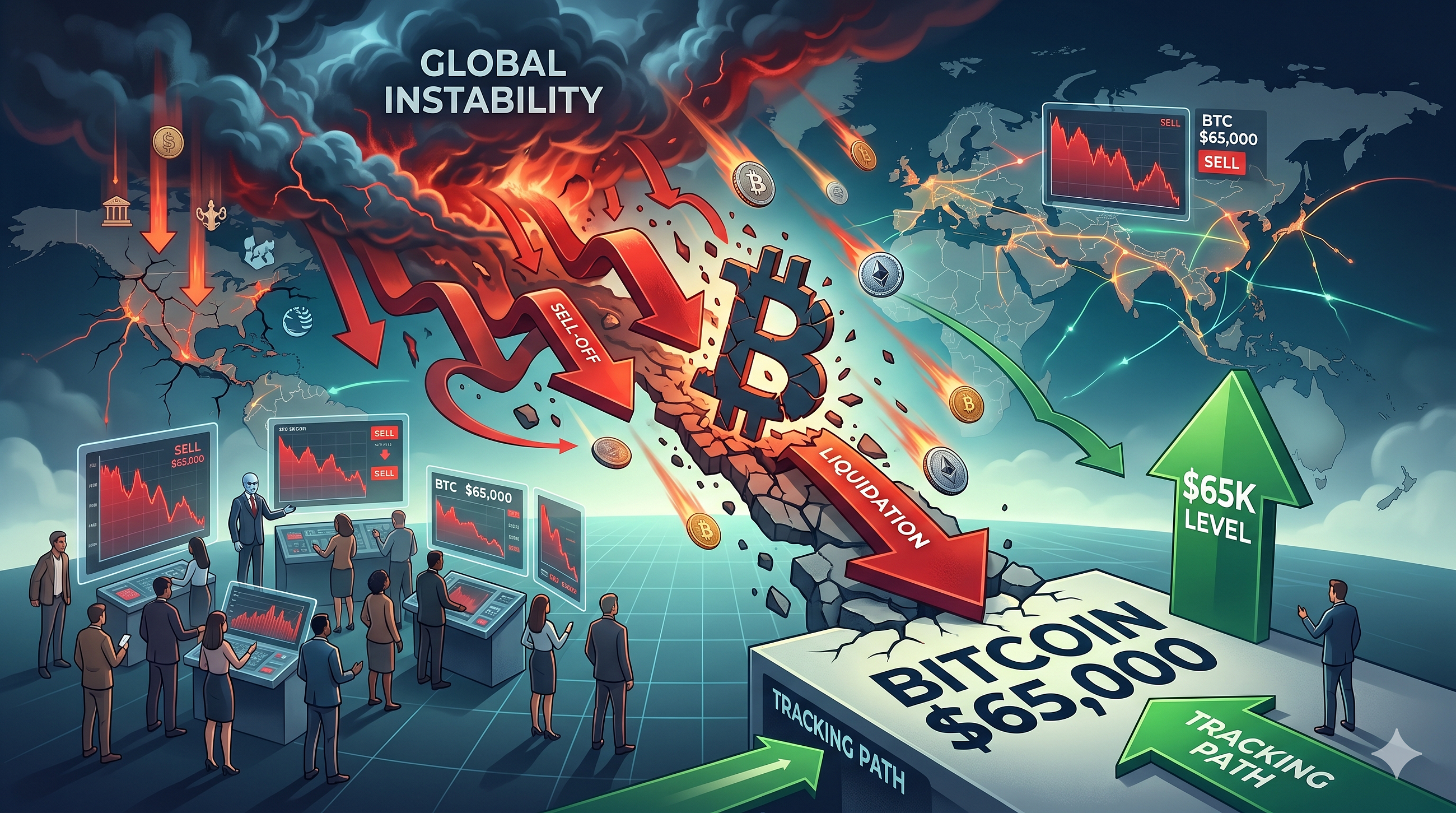
Bitcoin is heading into a rare macro window where the first reaction may age fast.
The Federal Reserve is scheduled to conclude its April meeting on April 29, with the FOMC decision and press conference landing that afternoon. The next morning, the US Bureau of Economic Analysis is scheduled to release the first quarter GDP and March Personal Income and Outlays, the report that includes PCE inflation.
That gives traders a two-step test with almost no pause between the steps. First, they get the Fed's view on rates, growth, and inflation. Then they get fresh data that can support that view, complicate it, or force a quick rewrite.
For Bitcoin, this setup is much more important than a regular Fed preview.
Bitcoin traders watch the central bank for the same reason equity traders do: rates shape liquidity, liquidity shapes risk appetite, and risk appetite shapes how much investors are willing to pay for volatile assets. When easier policy looks closer, Bitcoin usually gets a better backdrop. When rates look higher for longer, the market starts charging more for risk.
Next week compresses that entire process into roughly 48 hours. The Fed will speak first, but the data will get the last word.
This is a sequence trade
A normal Fed week gives markets time to build a take, but this time the market gets a much shorter runway.
GDP tells traders how strong the economy looked in the first quarter. Strong growth can support the idea that the economy can handle tight policy. Weak growth can raise concerns that the Fed is staying restrictive into a slowdown.
PCE gives traders the inflation read the Fed watches most closely. Hotter PCE pushes the market toward a higher-for-longer rate path. Cooler PCE gives rate-cut expectations more room.
Bitcoin is exposed to both. Growth affects risk appetite, and inflation affects rate expectations. A strong economy with sticky inflation can tighten financial conditions. A soft economy with cooling inflation can make easier policy feel more plausible. A messy combination can create volatility because traders have fewer clean signals to price.
The danger for Bitcoin is being right on the Fed and wrong the next morning.
A dovish Fed followed by soft data is the easiest bullish mix. The central bank sounds open to easing, and the data gives it cover. A dovish Fed followed by hot data is the dangerous version. Traders hear patience on Wednesday, then get numbers on Thursday that make that patience hard to defend.
A cautious Fed followed by soft data creates confusion, and the market may start asking whether policymakers are moving too slowly. A cautious Fed followed by hot data is the clean higher-for-longer setup, and likely the hardest version for Bitcoin.
We’ve seen this sensitivity around prior FOMC windows, PCE releases, and inflation surprises. Next week puts those pressure points into one tight sequence.
The second reaction to PCE may decide the move
Bitcoin is a scarce digital asset with its own long-term thesis. But in short macro windows, it also trades like a high-beta expression of liquidity expectations.
It’s that second identity that will get tested next week.
If the Fed sounds comfortable and Thursday's data cooperates, traders can lean back into the idea that rate relief remains alive for later in the year. That would support bitcoin through the same channel that often supports growth stocks: lower expected rates, easier financial conditions, and a stronger appetite for risk.
If the Fed sounds calm and the data arrives hot, the market has to revise quickly. Rate-cut expectations move further out, and Bitcoin has to absorb that reset alongside the broader risk complex.
If the Fed sounds cautious and the data is weak, the reaction can get choppy. Traders may price more cuts while also worrying about slower growth. Bitcoin can benefit from the liquidity side of that trade, then struggle if risk appetite fades.
The bearish version is simple: cautious Fed, resilient growth, sticky PCE. That gives traders fewer reasons to expect near-term relief. It suggests the economy still has enough strength to keep inflation pressure alive, while the Fed has little reason to soften its stance.
The bullish version runs the other way: Fed language leaves room for cuts, GDP shows cooling demand, and PCE gives policymakers more confidence on inflation. We've already seen how cooler inflation data can support Bitcoin. A compressed version of that trade could move fast if the numbers line up.
Bitcoin is heading into a week where markets may price the Fed, sleep on it, and wake up to data that changes the meaning of the first move. That creates a 48-hour stress test of rates, growth, inflation, and the near-term case for risk.
The post Why this week could reprice Bitcoin in 48 Hours: Fed first, GDP and PCE right after appeared first on CryptoSlate.