Why Rewards May Be Web3’s Real Consumer Breakthrough
 Mytier Universe Official Blog5 min read·Just now
--
Most people are not going to enter Web3 because they want a new financial asset. They are much more likely to enter because they want better perks, better points, and rewards that finally feel usable.
People may not enter Web3 through investing. They may enter through rewards.
TL;DR Web3 does not have to reach consumers through investing or speculation. A far more realistic entry point may be rewards. The real breakthrough may come not from the next token launch, but from making the points and perks people already understand feel more usable, more portable, and more immediate.
For years, Web3 tried to meet consumers through investment.
- Buy the token.
- Watch the chart.
- Learn the story.
- Wait for the upside.
That may have helped build the market. But as a consumer experience, it was always narrow. Most people are not looking for a new financial experiment. They are looking for something much simpler:
- A better perk.
- A better point system.
- A reward they can actually use.
That is what makes rewards interesting.
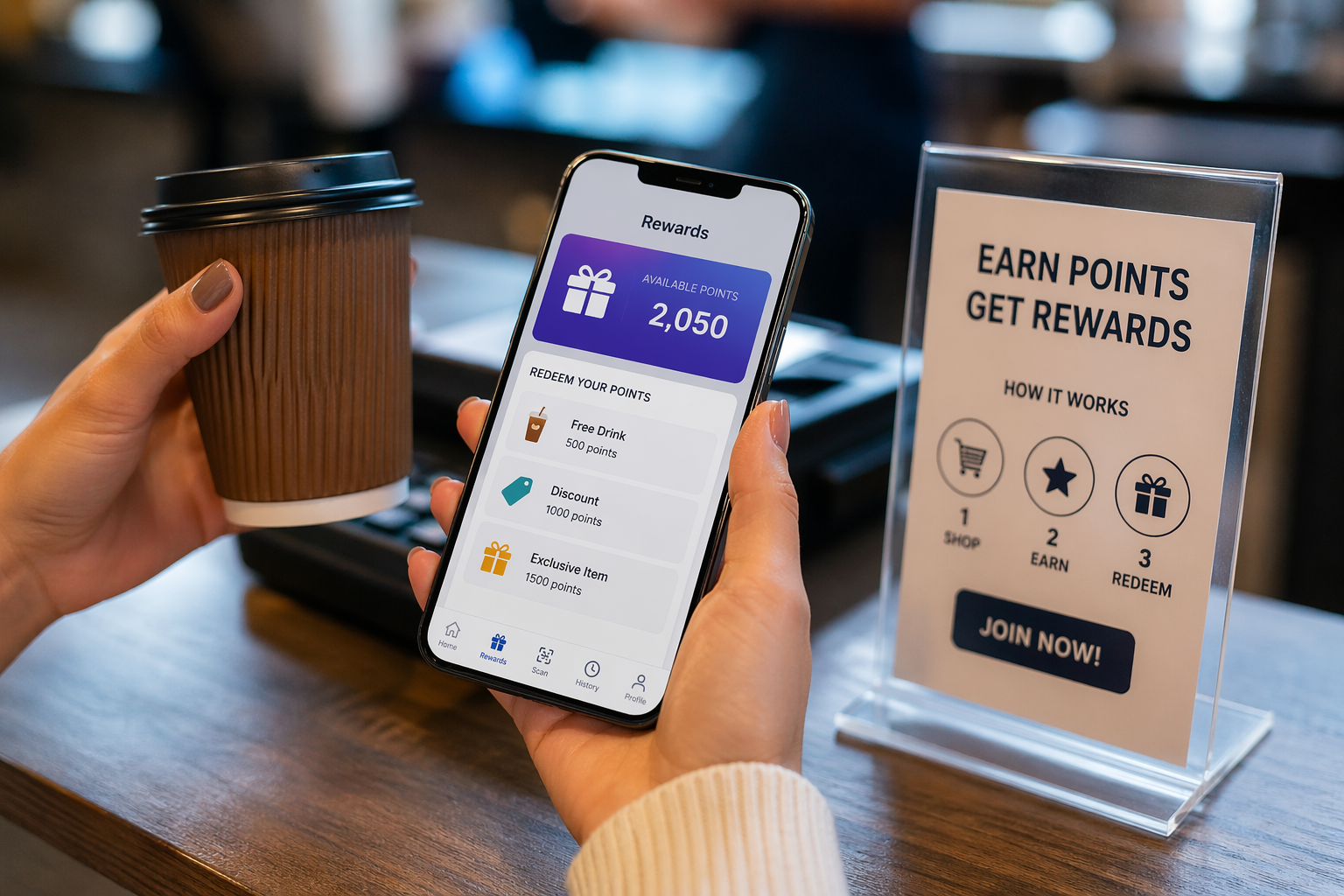
Points, memberships, and loyalty programs were already doing the hard behavioral work long before Web3 showed up. They were already training people to sign up, come back, spend more, and stay longer. Recent reporting suggests Gen Z is driving new sign-ups and engagement in loyalty programs, and is increasingly willing to switch brands for faster and better rewards. Consumers are not unfamiliar with incentive-driven behavior. They are already living inside it.
The problem is that most reward systems still feel closed.
- They stay trapped inside one brand.
- They move slowly.
- They expire.
- They are hard to use.
- And very often, they do not feel fully yours.
That is where Web3 may have something genuinely useful to offer. Not a more impressive technology, but a better reward experience.
The Flow of Everyday Rewards
The recent Rakuten example is worth paying attention to for exactly that reason. Rakuten Wallet announced spot trading support for five assets including XRP from April 15, 2026, while also linking that flow to Rakuten Points exchange and Rakuten Cash top-ups for use through Rakuten Pay.
CoinDesk framed that move inside a much larger consumer system: roughly 44 million users and 5 million merchant touchpoints. The important part is not the coin itself. The important part is the emerging flow from points to digital assets to real-world payments inside an existing consumer ecosystem.
That is a much bigger story than “another crypto integration.”
Because most consumers are not looking for a new asset class. They want the behavior they already have — spending, participating, earning, returning — to feel more fluid, more immediate, and more rewarding.
Investing feels difficult. Rewards feel familiar. Investing makes people cautious. Rewards make people move.
That difference matters. It suggests that Web3’s first real consumer breakthrough may not come from an investing app at all. It may come from reward infrastructure.
From Spectacle to Utility
Until now, most point systems have been built as closed loops. They can drive behavior, but they rarely create lasting utility. People collect points, but do not always spend them. They accumulate value, but often cannot move it very far. The system succeeds at creating habit, then fails at creating freedom.
What Web3 can improve is not the spectacle. It is the flow.
The real opportunity is not turning points into speculative assets. The opportunity is making rewards more portable, more transparent, and more usable. From a consumer perspective, the important word is not “onchain.” The real questions are much more ordinary:
- Can I use this reward faster?
- Does its value continue outside one brand?
- Is spending it easier than forgetting it exists?
That is why the Rakuten case matters. It is not interesting because it makes crypto look futuristic. It is interesting because it makes rewards look more fluid. Consumers do not need to understand the infrastructure. They only need to feel that rewards now move better, get used faster, and fit more naturally into the way they already spend.
Web3 may not go mainstream when people feel like they are using crypto. It may go mainstream when their rewards simply work better.
That may be the real shape of consumer Web3. Not people proudly announcing that they are using blockchain, but people quietly noticing that their perks make more sense than they used to.
Frictionless Consumer Adoption
A lot of Web3 products asked consumers to do too much. Learn the system. Learn the vocabulary. Accept the volatility. Accept the friction.
Rewards can move in the opposite direction. They can meet people inside behavior they already understand, interfaces they already use, and expectations they already have. That is why consumer adoption is usually less about novelty than it is about friction. And rewards are already one of the lowest-friction surfaces in consumer behavior.
So the better question may no longer be: Which project can build the most innovative token? It may be: Which project can make the most familiar reward experience feel more fluid, more meaningful, and more useful?
That is not really an investment story. It is a consumer story. And from that perspective, Web3’s most realistic path to mainstream adoption may be much less glamorous than people expected.
Most people are not coming to buy assets.
- They want to use points.
- Get perks.
- Feel rewarded.
- Have a slightly better experience than before.
If Web3 can create value at exactly that layer, then rewards may become more than a marketing device. They may become a real consumer base layer.
What This Means for Mytier
This matters for Mytier too. Participation and rewards have always been central ideas in Web3, but they are often explained in speculative language. Real consumers respond to something much more concrete. They care about what they get, how easily they can use it, and whether it feels meaningful in everyday life.
That means the key is not how large the reward promise sounds. The key is whether the reward:
- Connects naturally to participation,
- Works inside familiar behavior,
- And feels like something with real value.
Consumer Web3 will not break through by feeling like a new system. It will break through by feeling like infrastructure that makes existing behavior and existing rewards smoother, faster, and more alive.
If that direction is right, then Web3’s real consumer breakthrough may not come from investing at all. It may start somewhere much more ordinary: with points, perks, and everyday reward experiences.
Author: Michael Theodore — Mytier Director
Mytier is building the foundational Web3 infrastructure for the post-quantum era.
- 🌐 Website: [Link]
- 🐦 X (Twitter): [Link]
- 💬 Telegram: [Link]
References
- Rakuten Wallet Press Release — Announced spot trading support for five assets including XRP from April 15, 2026, along with Rakuten Points exchange and Rakuten Cash top-up flows for use through Rakuten Pay.
- CoinDesk — Reported that Rakuten’s XRP integration connects into a consumer payments ecosystem with roughly 44 million users and 5 million merchant touchpoints.
- Business Insider — Reported that Gen Z is driving sign-ups and engagement in loyalty programs and is more willing to switch brands for faster and better rewards.