Why Digital Identity Is Becoming the Core of Every Secure System
 Everycred3 min read·Just now
--
There was a time when security meant building walls.
Firewalls, passwords, restricted access systems were designed to keep threats out. But that model assumed something simple: once inside, everything could be trusted.
That assumption no longer works.
Today’s digital world is fluid. Users log in from multiple devices, access systems remotely, and move across platforms constantly. At the same time, threats have become more sophisticated, blending into normal behavior rather than attacking from the outside.
In this environment, security isn’t about guarding the perimeter anymore.
It’s about understanding who is interacting with your system at every moment.
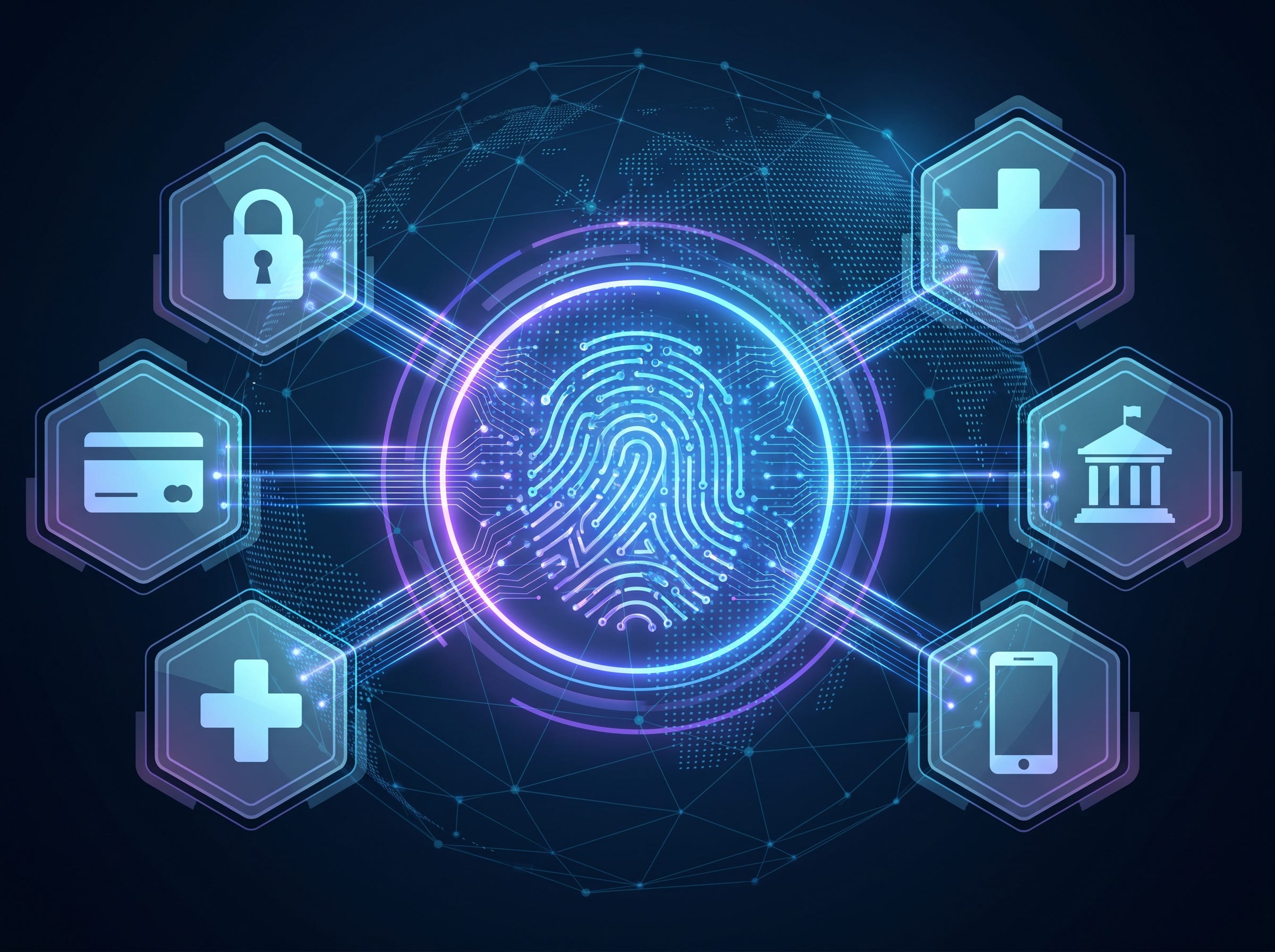
That’s why digital identity is no longer a feature. It’s becoming the core of every secure system.
The Shift from Systems to People
Modern security is shifting its focus.
Instead of asking: “Is this system protected?”
We’re asking: “Is this interaction trustworthy?”
That shift puts identity at the center. Every action , whether it’s a login, a transaction, or data access must be tied to a verified identity.
And not just once.
Continuously.
Identity Is No Longer Static
Traditional identity models were static. You verified a user at login, and that was enough.
But today, identity behaves more like a dynamic signal than a fixed record.
It includes:
- Behavior patterns
- Device context
- Location changes
- Access history
A user who logs in from a trusted device in one city behaves very differently from someone accessing the same account from a new device halfway across the world.
Modern systems are learning to read these signals in real time.
Identity is evolving from data you store to signals you interpret.
Trust Is Becoming Programmable
Here’s where things get interesting.
Trust used to be subjective based on institutions, manual verification, or assumptions.
Now, it’s becoming programmable.
With technologies like:
- Verifiable credentials
- Digital credential platforms
- Blockchain-based identity systems
…trust can be encoded into the system itself.
A credential can prove its authenticity.
A system can validate identity instantly.
A platform can decide access based on real-time risk.
This isn’t just automation , it’s a redesign of how trust works.
Security Without Friction (Finally)
For years, there’s been a trade-off:
More security = worse user experience
But digital identity is starting to break that trade-off.
Instead of forcing users through repeated verification steps, modern systems rely on smart identity signals and reusable credentials.
The result:
- Less friction for legitimate users
- More scrutiny for suspicious behavior
- Faster access without compromising security
Security becomes invisible when things are normal and precise when they’re not.
Why Everything Now Depends on Identity
Look across industries and you’ll see the same pattern:
- Finance depends on identity for fraud prevention
- Government services depend on identity for citizen access
- Enterprises depend on identity for workforce security
- Digital platforms depend on identity for user trust
In every case, identity isn’t just part of the system , it defines how the system works.
Without strong identity, nothing else holds.
The Real Reason This Matters
This shift isn’t happening because it’s innovative.
It’s happening because it’s necessary.
The old model static identity, perimeter security, one-time verification can’t keep up with:
- Distributed systems
- Remote access
- Real-time threats
- Global digital interactions
Digital identity solves a deeper problem: how to establish trust in a system that never stops moving.
A New Foundation for Security
We’re entering a phase where systems aren’t secured by layers of defense alone but by continuous identity awareness.
In this model:
- Every interaction is evaluated
- Every credential carries proof
- Every access decision is contextual
Identity becomes the foundation everything else builds on.
Not an add-on. Not a checkpoint.
The core.
Final Thought
Security used to be about protecting systems.
Now, it’s about understanding identities.
And the organizations that recognize this shift early won’t just build safer systems , they’ll build smarter, more resilient ones.
Because in a world of constant change, the only reliable anchor is trust.
And trust begins with identity.
Looking to build secure, scalable, and future-ready identity systems?
We help organizations design and implement:
- Digital identity platforms
- Verifiable credential solutions
- Blockchain-based identity systems
- Identity verification and compliance frameworks
👉 Connect with us to strengthen your digital security with smarter identity solutions.