Why Businesses Are Adopting Cryptocurrency Payment Systems
--
The Shift Toward Digital Payments
The global financial landscape is rapidly evolving, and businesses are continuously looking for ways to stay ahead. One of the most significant changes in recent years is the rise of cryptocurrency as a viable payment option. Companies across industries are beginning to accept crypto payments to meet changing customer expectations and remain competitive in a digital-first economy.
Cryptocurrency offers a decentralized alternative to traditional payment systems, enabling faster, more secure, and borderless transactions. This shift is not just a trend — it’s a strategic move toward the future of commerce.
Expanding Reach With Global Transactions
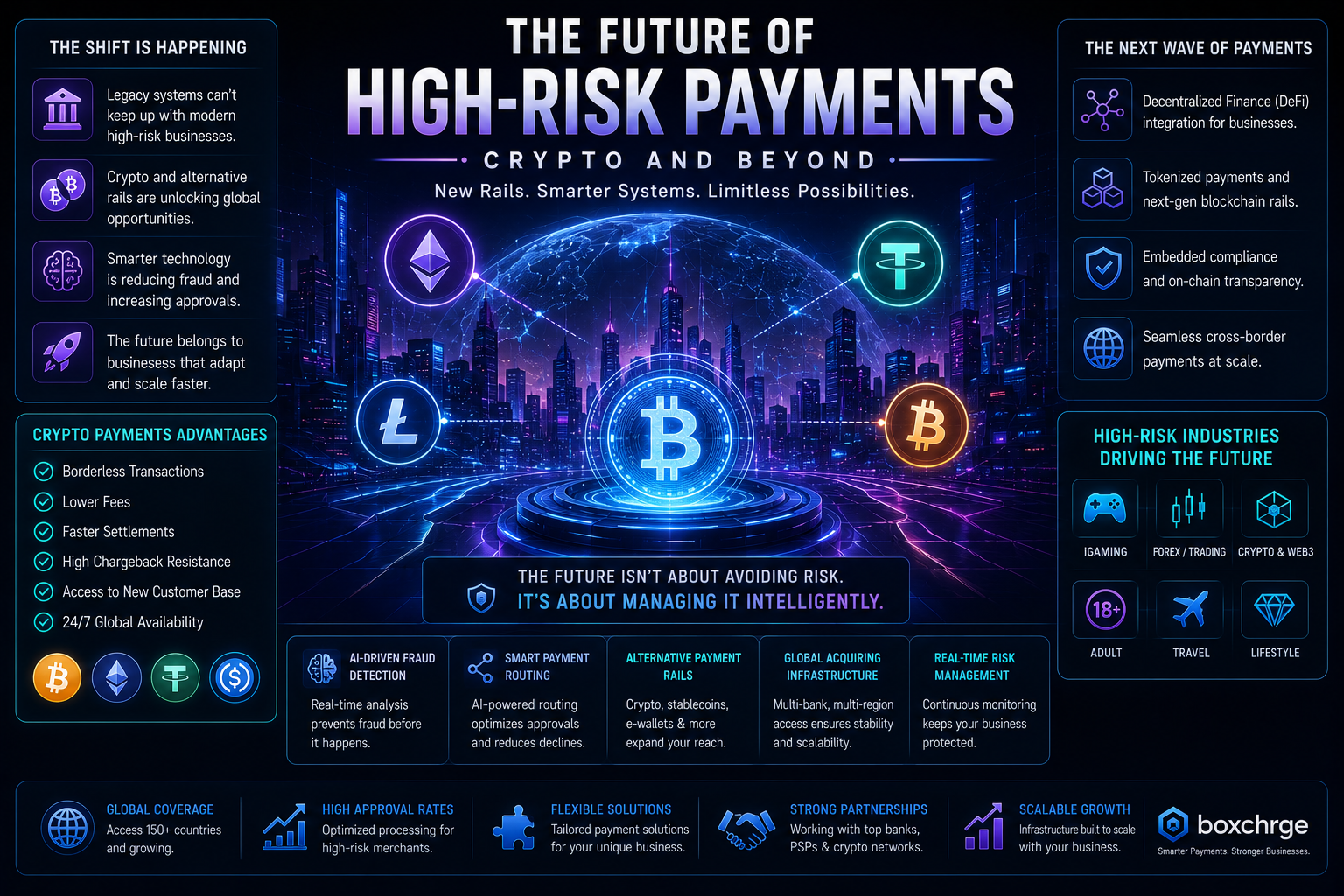
One of the primary reasons businesses are adopting crypto is the ability to conduct global crypto transactions with ease. Traditional cross-border payments often involve delays, high fees, and complex currency conversions. Cryptocurrencies eliminate many of these challenges by providing a universal payment method that works across borders.
This allows businesses to tap into international markets without worrying about banking limitations, making it easier to scale and reach new customers worldwide.
Lower Transaction Costs
Cost efficiency is another major driver behind crypto adoption. Traditional payment processors and banks often charge high fees for transactions, especially for international transfers. In contrast, crypto payments typically involve lower fees, helping businesses save money and improve profit margins.
For companies handling large volumes of transactions, these savings can add up significantly over time, making crypto an attractive option for financial optimization.
Enhanced Security and Transparency
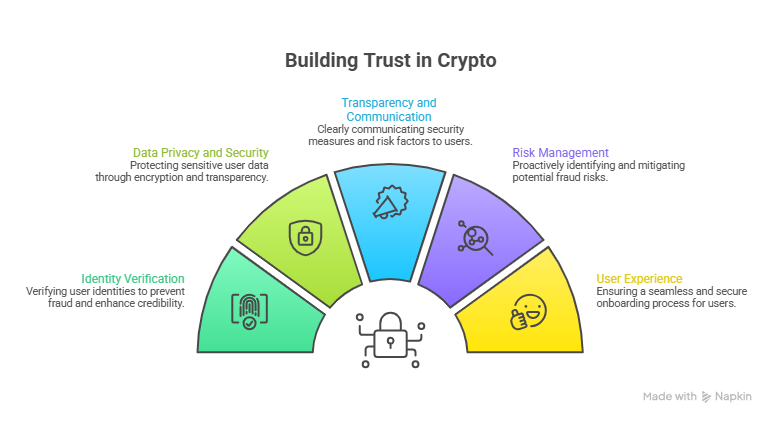
Security is a top priority for any business handling online payments. Blockchain technology ensures that transactions are encrypted, verified, and recorded on a decentralized ledger. This makes it extremely difficult for fraudulent activities to occur.
Additionally, the transparency of blockchain allows businesses and customers to track transactions in real time. This builds trust and reduces disputes, which is particularly important in e-commerce and global trade.
Faster Payment Processing
Speed is critical in today’s fast-paced business environment. Traditional banking systems can take several days to process cross-border payments, causing delays in operations. Crypto transactions, on the other hand, are often completed within minutes.
Faster processing improves cash flow, enhances customer satisfaction, and allows businesses to operate more efficiently. This is especially beneficial for companies dealing with international clients.
Leveraging Advanced Payment Solutions
To simplify the adoption process, many businesses are turning to solutions like a crypto payment gateway. These platforms make it easy to integrate cryptocurrency payments into existing systems without requiring deep technical expertise.
They also offer features such as real-time conversion, secure transaction processing, and user-friendly interfaces, making crypto payments more accessible for businesses of all sizes.
Building a Future-Ready Brand
Adopting cryptocurrency is not just about functionality — it’s also about brand positioning. Businesses that embrace innovative technologies are often seen as forward-thinking and customer-centric.
By offering crypto as a payment option, companies can attract tech-savvy customers and differentiate themselves from competitors. This can lead to increased customer loyalty and a stronger market presence.
Conclusion
The adoption of cryptocurrency payment systems is driven by a combination of factors, including global reach, cost savings, enhanced security, and faster transactions. As more businesses begin to accept crypto payments, the shift toward digital currencies will continue to accelerate.
By embracing this change and leveraging tools like crypto payment gateways, businesses can unlock new opportunities and position themselves for long-term success in the evolving world of digital commerce.