White-Label Payment Gateways: The Invisible Engine Powering 2026’s Fintech Explosion
How customizable tech is letting startups steal the show from banking giants, without building from scratch
 Pragya | Fintech & Crypto Payment Strategist3 min read·1 hour ago
--
Imagine launching a sleek fintech app in USA, where local merchants hustle under the summer sun, processing payments faster than a chai stall during rush hour.
No clunky bank interfaces, no generic logos, just your brand, your rules, your growth. That’s the magic of white-label payment gateways in 2026.
In a world where digital wallets outpace cash and UPI transactions hit trillions, these gateways aren’t just tools, they’re the secret sauce for disruption.
The Hidden Hustle Behind Seamless Swipes
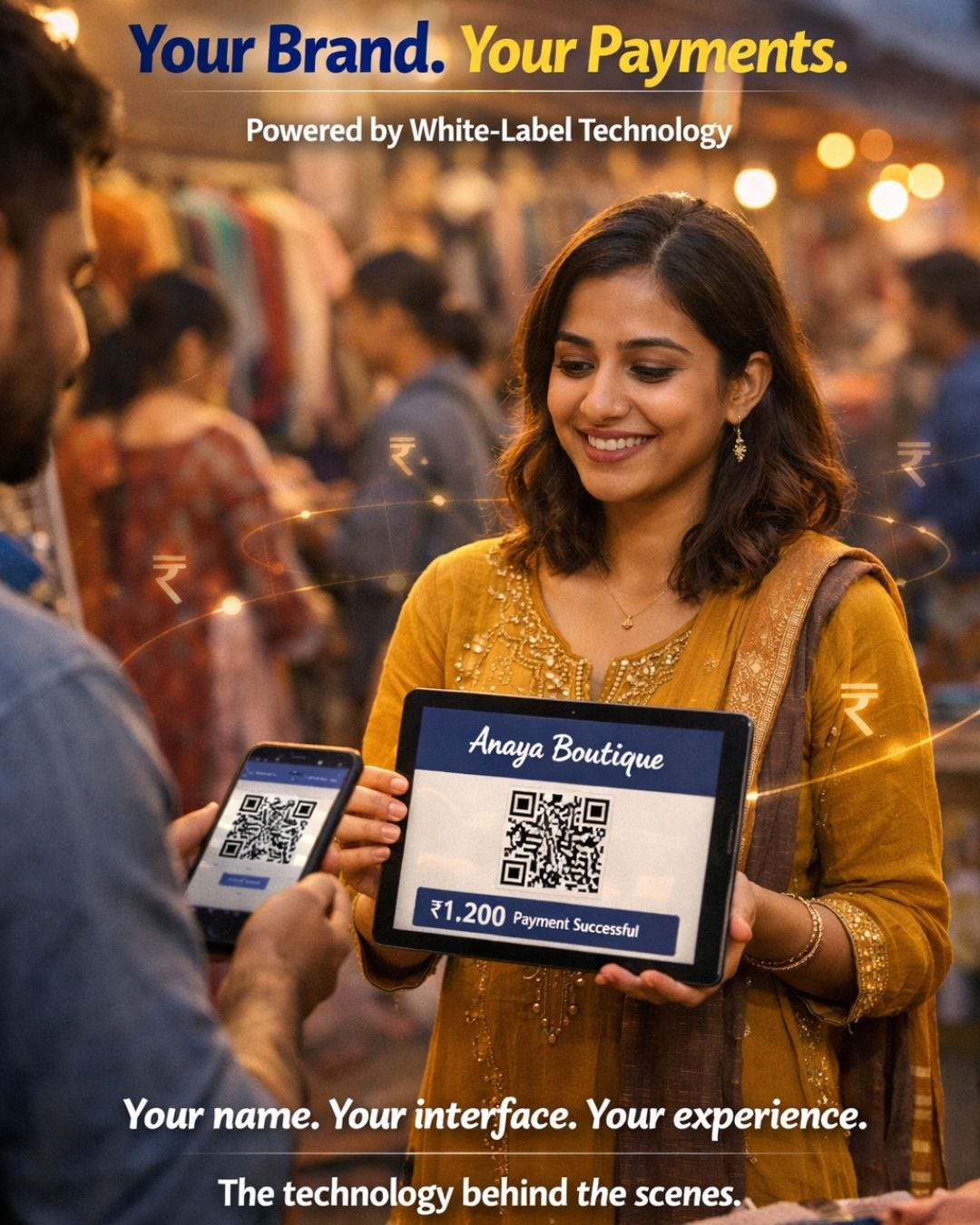
Imagine this, it’s 10 AM in bustling USA, and a street vendor taps a customer’s phone. Boom payment cleared, branded receipt pops up with your logo. No Visa or Mastercard splash screen stealing the spotlight.
White-label payment gateways strip away the provider’s branding, handing you a fully customizable platform. Secure processing, PCI DSS compliance, multi-currency support, but painted in your colors.
Why does this matter now? Global fintech funding surged 25% last year, per CB Insights. Startups can’t afford six-month custom builds. Enter white label deploy in weeks, scale to millions.
From Zero to Hero: Real Wins in USA
Take Priya, a 28-year-old entrepreneur from your neighborhood in USA. She bootstrapped KisanKart, a platform linking farmers to urban buyers. Banks laughed off her pitch, too niche.
With a white-label gateway from innovators like ITIO, she integrated UPI, cards, and wallets overnight. Custom dashboards tracked rural remittances, QR codes glowed with her earthy green branding. Result? 10x transaction volume in six months, zero downtime during harvest peaks.
It felt like owning the bank without the bureaucracy. Priya Sharma, KisanKart Founder.
Her story echoes thousands, e-commerce upstarts, gig platforms, even edtech apps handling micro-payments for online courses.
What Is a White-Label Payment Gateway?
A white-label payment gateway is a ready-made payment system that you can brand as your own, without building the technology behind it.
Instead of coding complex infrastructure, you simply plug into an existing system and customize it with your logo, UI, and user experience. From your customer’s perspective, it’s your platform.
Behind the scenes, a powerful fintech engine is doing all the heavy lifting.
The 2026 Edge: Why Banks Are Sweating
Traditional banks charge 2–3% per transaction, with rigid contracts. White label?
India’s digital economy is exploding, UPI alone processed 15 billion transactions in March 2026. White-label providers aggregate global acquirers, offering cross-border magic for NRIs wiring home.
Why Building Payments gateway from Scratch Is a Trap
Let’s be real. Creating a payment system isn’t just about accepting money. It involves,
- Bank integrations
- PCI DSS compliance
- Fraud detection systems
- Multi-currency handling
- Settlement and reconciliation
- Regulatory approvals
And all of this can take months or even years to build.
Pitfalls? Dodge Them Like A Pro
Not all gateways shine. Beware,
- Hidden Fees: Scout for setup traps or volume-based hikes.
- Support Lag: 24/7 Indian teams beat overseas delays.
- Compliance Nightmares: Ensure RBI and GDPR readiness
Why Founders Love It
- Speed to Market: - Launch in weeks instead of spending a year building infrastructure.
- Lower Costs: - No need for massive engineering teams or compliance overhead.
- New Revenue Streams: - Earn from transaction fees, subscriptions, or merchant services.
- Full Brand Ownership: - Unlike traditional gateways, your users never leave your ecosystem.
What’s your take, will white-label gateways democratize fintech for good?
Drop thoughts below!