Getting the direction right is only half the trade. The real challenge is staying in long enough to benefit from it.
More Traders Then Youll Believe, Never Hold the Move They Were Right About
Most traders don’t lose because they were wrong.
They lose because they were right, but didn’t stay.
At some point, almost every trader has this experience.
You enter a trade.
The idea is solid.
The direction is right.
Price starts moving in your favor.
And then…
You exit early.
Maybe it’s fear.
Maybe it’s uncertainty.
Maybe it’s the feeling that “this is enough.”
So you take profit.
And then the market keeps going.
That moment is more common than most people admit.
Not because traders can’t read the market.
But because holding a winning position is psychologically harder than entering one.
Entering a trade feels active.
Holding a trade feels exposed.
When you’re in profit, the risk changes.
You’re no longer afraid of losing money.
You’re afraid of giving it back.
And that fear changes behavior.
You tighten too early.
You close too early.
You second-guess a good position.
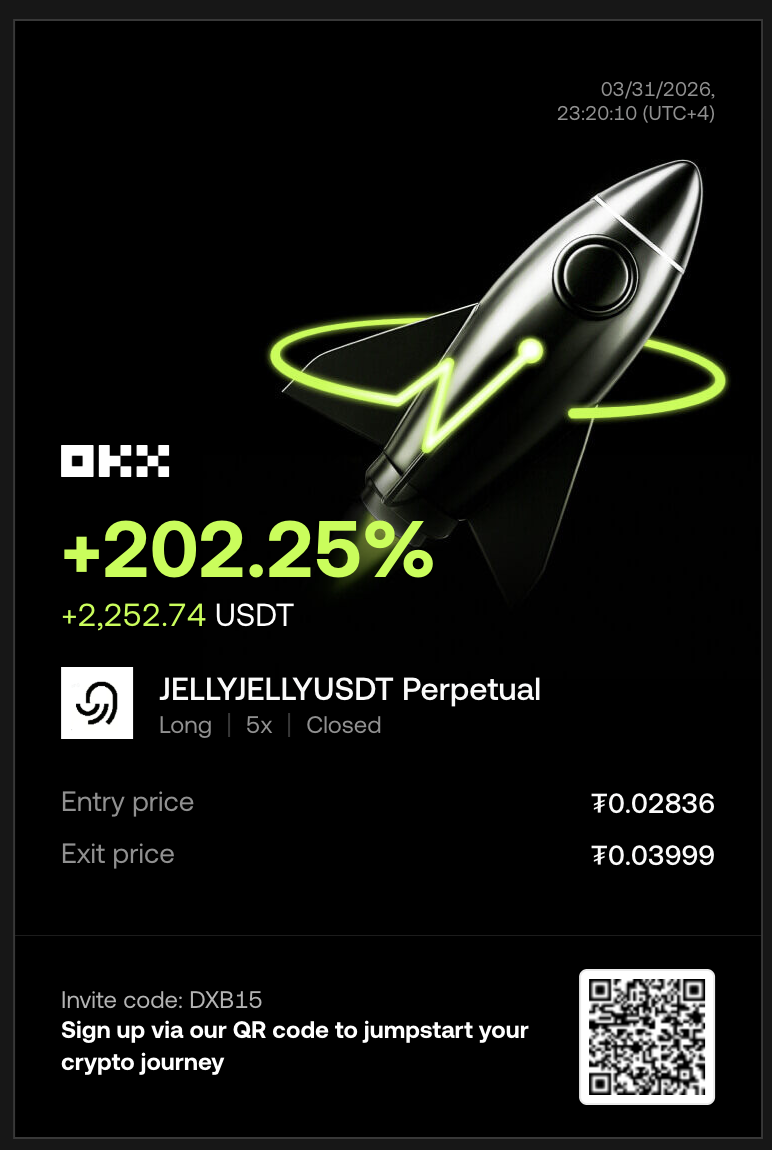
Looking at a finished trade, everything appears clean.
Clear entry.
Clear direction.
Clear exit.
But what that doesn’t show is everything that happens in between.
The hesitation.
The urge to close early.
The small pullbacks that test conviction.
That’s where most trades are actually decided.
Because the difference between a small win and a meaningful one often isn’t the entry.
It’s how long you stay aligned with the trade.
Execution isn’t just about getting in at the right price.
It’s about managing the position while it unfolds.
Most beginners focus on:
“Where do I enter?”
Fewer ask:
“Can I actually stay in this trade?”
That question matters more than it seems.
Because even a perfect entry doesn’t matter if the position isn’t held long enough to play out.
This is also where platform friction starts to matter.
Small delays, slight slippage, and imperfect exits all add pressure to close earlier than intended.
They make trades feel less stable than they actually are.
Over time, this creates a pattern.
You become good at identifying moves.
But inconsistent in capturing them.
And that’s when trading starts to feel frustrating.
Not because you’re wrong.
But because you’re not fully benefiting from being right.
The shift happens when you stop focusing only on entries…
And start paying attention to how you manage winning trades.
Because in most cases, the opportunity isn’t missed at the beginning.
It’s missed in the middle.
🔚
If you’ve ever felt like your trades move in the right direction but don’t translate into meaningful results, it’s usually not the idea — it’s how the trade was managed.
Tags:
- Trading Psychology
- Trading
- Investing
- Discipline
- Decision Making
When you are right, and dont Hold the Trade was originally published in DataDrivenInvestor on Medium, where people are continuing the conversation by highlighting and responding to this story.