When TradFi Meets RealFi: Why the GCL × Pharos Deal Actually Matters
 Pnektar5 min read·Just now
--
TL;DR
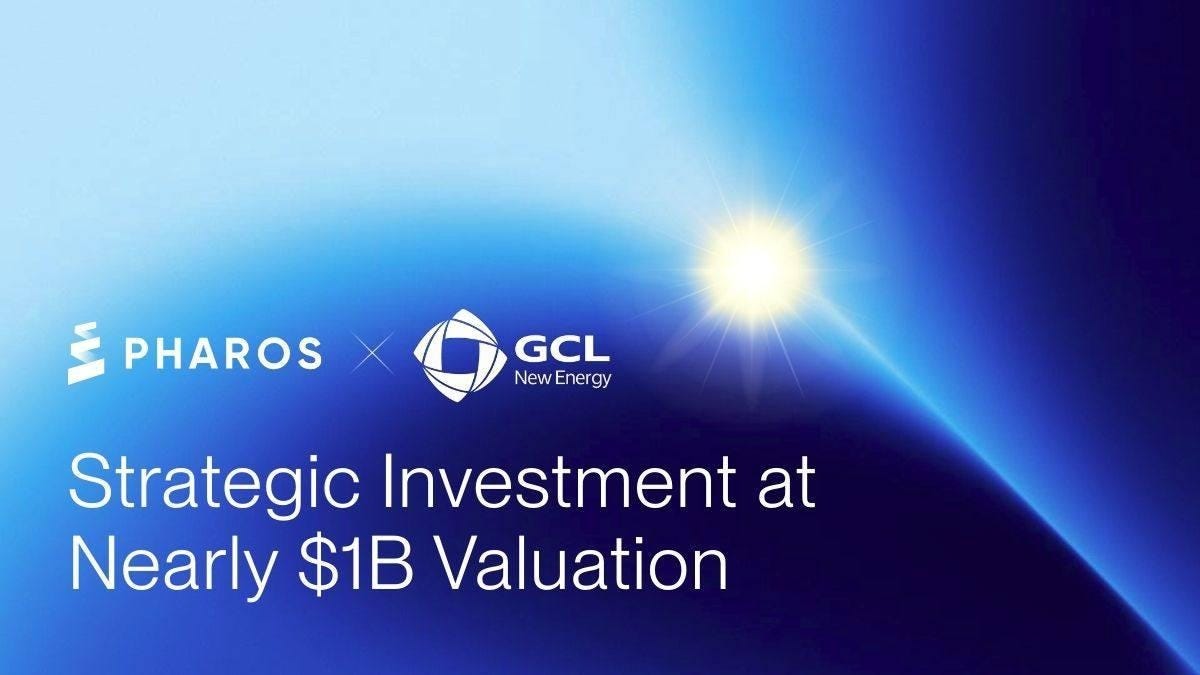
GCL, a Hong Kong–listed renewables company agreed to issue 186.5 million shares to Pharos at HK$1.033/share (≈ HK$192.65M, ~HK$193M). Pharos will own ~10.71%. Crucially, Pharos also granted GCL conditional rights to buy Pharos equity and Pharos-affiliate tokens. That makes this not just an investment, but a two-way alignment that signals institutional interest, compliance conversations, and RealFi use cases, even if it doesn’t mean an instant token pump.
If you only scan headlines, you might think GCL is “another company.” It’s not. GCL New Energy is a publicly listed company in Hong Kong that builds and operates solar and clean-energy projects. That matters because when a public company moves, it moves under a lot of constraints: audits, regulators, shareholders, and public filings.
Translation: public companies can’t sign on to something just for clout. There’s reputational risk, legal scrutiny, and real internal oversight. So when GCL appears in a blockchain announcement, it’s rarely because of a casual hype push. It usually means there were boardroom conversations, due diligence, and a business case.
This isn’t a crypto partnership. This is TradFi reality tapping into blockchain.
2) What exactly Happened?
Here’s the deal without the excess jargon:
- Shares issued: GCL is issuing 186.5 million shares to Pharos.
- Price: HK$1.033 per share, which comes to about HK$192.65M (call it HK$193M).
- Stake: Pharos will own roughly 10.71% post-deal.
- Not just cash: As part of the consideration, Pharos granted GCL two conditional future rights:
- The right (under conditions) to obtain some equity in Pharos.
- The right (under conditions) to buy Pharos tokens or tokens tied to Pharos affiliates.
Why those two lines matter: this is two-way alignment.
It’s not “we give you money and run.” It’s “we partner so both sides can benefit if both succeed.” In practical terms: GCL has a stake in Pharos’ success, and Pharos is tied into GCL’s operations. That creates incentives for long-term cooperation rather than short-term exits.
Short verdict: not a passive investment — a structured, strategic alignment.
3) Why this is bullish for the Pharos community
Let’s translate the corporate speak into things that matter to holders, builders, and curious onlookers.
Legitimacy that actually matters
When a regulated, audited company takes a material stake, the signal is clear: this is not just marketing for likes. It means traditional finance is having serious conversations about using blockchain as an infrastructure layer, for data, compliance, and new financial products.
RealFi built on trust, not slogans
People conflate “RealFi” with “tokenize everything.” The better definition: RealFi is about using on-chain infrastructure to make real economic activity more transparent and accessible in ways institutions can trust. In this deal, the pathway looks like converting verified operational data (e.g., how much energy a solar farm actually generated) into on-chain, auditable data assets that can be used in financial products. That’s meaningfully different from just slapping a name on a project.
It brings compliance conversations to the table
Publicly listed firms care about KYC/AML, accounting standards, and reporting. Their presence forces the ecosystem to move past “wild west” assumptions and talk about how tokens, data, and services can comply with real rules. That’s not glamorous, but it’s how long-term adoption happens.
4) The limits — what the Pharos ecosystem still needs to prove
Being bullish here is reasonable, but not naive. These are the realistic constraints to watch:
- Adoption lag: Institutional processes are slow. Board approvals, audits, and legal reviews take time. Don’t expect instant product rollouts.
- Liquidity of tokenized assets: Turning energy data into on-chain assets doesn’t automatically create buyers. Liquidity and clear market use are needed.
- Regulatory uncertainty: Different jurisdictions treat tokens and tokenized assets differently. Public company involvement reduces risk but doesn’t eliminate it.
- Oracle & data integrity: Data must be verifiably correct and resistant to tampering. The technical standards and independent auditors/oracles must be solid.
- Token economics & dilution: Rights to tokens or equity can affect tokenomics later (vesting, unlock schedules, governance dilution). Keep an eye on timelines.
- Counterparty & execution risk: Partnerships depend on implementation. A signed deal is a promise; the execution quality is what ultimately matters.
In short: this is a powerful, credibility-building move but it’s not guaranteed product market fit. It’s the start of institutional integration, not the finish line.
Jargon made human
- RWA (Real-World Asset): Anything off the chain (e.g., energy output, real estate) that’s represented on the chain.
- RealFi: Financial systems built with blockchain tech to handle real economic activity.
- Data Asset Token (DAT): A token that represents verified data or performance metrics (e.g., how much energy was produced) in a structured way.
- On-chain / off-chain: On-chain means recorded on the blockchain; off-chain means in traditional databases or paper records.
- Oracle: A service that feeds real-world data to a blockchain. Oracles must be trustworthy.
- Vesting / unlock: Schedules that control when tokens or shares can be sold.
6) What we should actually watch next
If you want to track whether this becomes meaningful, watch for:
- Regulatory filings from GCL and any public announcements that show timelines.
- Product integrations showing Pharos’ DATs being used in financial products or markets.
- Independent audits of data pipelines (who’s verifying the energy numbers?).
- Liquidity metrics for any tokenized products — are there buyers, or is it just paper?
- Token/equity unlock schedules that could affect supply dynamics.
Closing: why this is quietly important
Anyone can buy attention. Getting a public company to take a structured, conditional position in a blockchain project is different. It’s an alignment of incentives, reputations, and operations — the kind of thing that looks boring until it becomes the foundation of something bigger.
Projects can buy attention. They cannot buy this kind of alignment.
This is the boring, structural signal that only looks obvious after it becomes foundational.
If you’re part of the Pharos community, this is a reason to pay attention, not because it promises a quick pump, but because it signals durable, institutional-grade conversations that can scale the ecosystem responsibly.