What is Artificial Intelligence in Business?
--
Artificial Intelligence refers to the use of machines and software that can perform tasks that typically require human intelligence. These tasks include learning from data, recognizing patterns, making decisions, and solving problems.
In business, AI is used in areas such as:
Customer service (chatbots)
Marketing and personalization
Data analysis and forecasting
Automation of repetitive tasks
Key Benefits of AI in Business
- Increased Efficiency and Productivity
- AI helps automate routine tasks such as data entry, scheduling, and inventory management. This allows employees to focus on more important and creative work.
- 2. Better Decision-Making
- AI systems can analyze large amounts of data quickly and accurately. Businesses can use this data to make informed decisions and predict future trends.
- 3. Improved Customer Experience
- AI-powered tools like chatbots and recommendation systems provide personalized experiences to customers. For example, online shopping platforms suggest products based on user preferences.
- 4. Cost Reduction
- By automating processes and reducing human error, AI helps businesses save time and money.
- Real-Life Examples of AI in Business
- E-commerce platforms use AI to recommend products based on browsing history.
- Banks use AI to detect fraud and manage risks.
- Healthcare companies use AI for diagnosis and patient care.
- Marketing agencies use AI tools to analyze customer behavior and run targeted campaigns.
- Challenges of AI in Business
- Despite its benefits, AI also comes with some challenges:
- High Implementation Cost: Setting up AI systems can be expensive.
- Lack of Skilled Workforce: Not all businesses have access to AI experts.
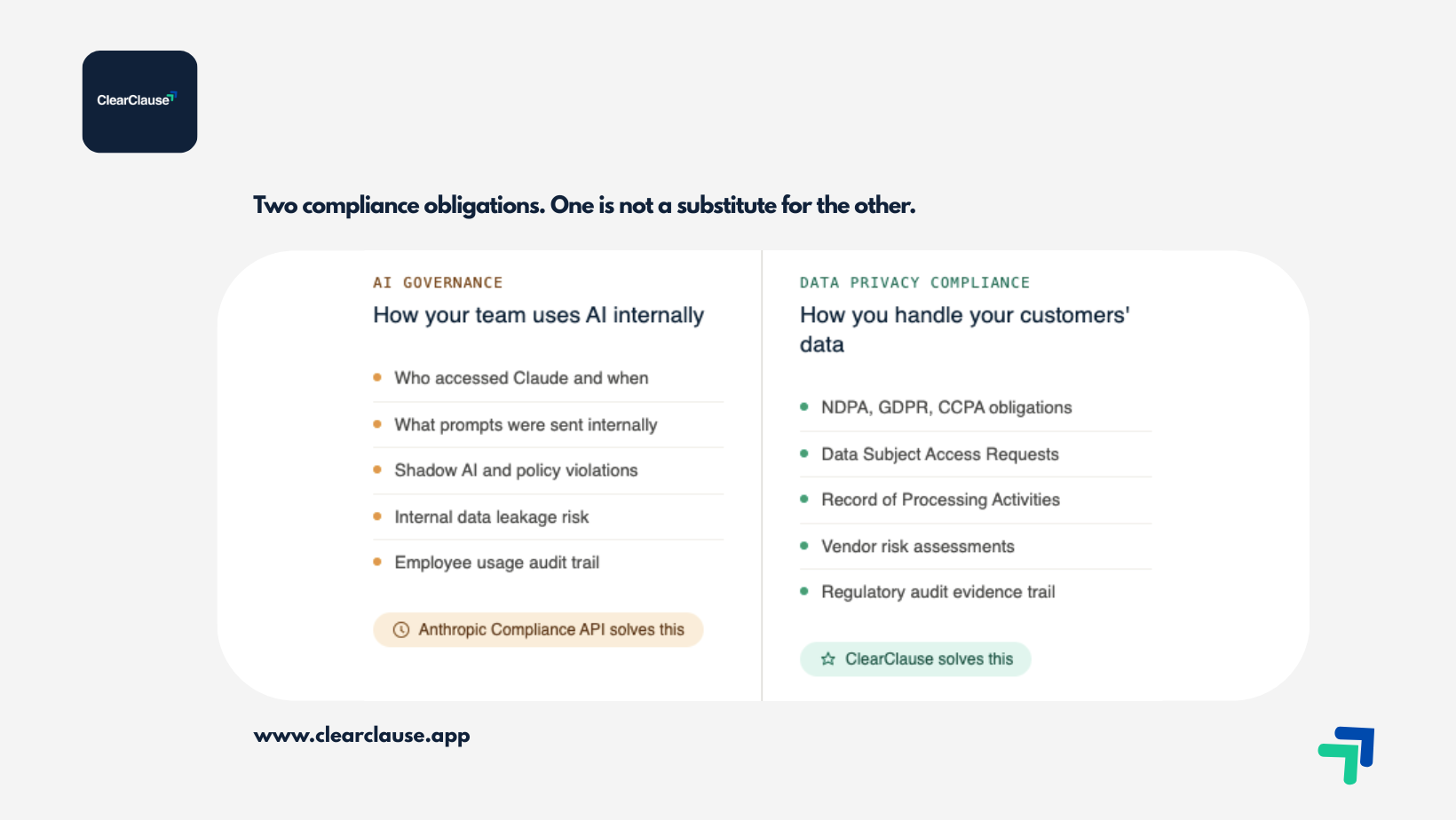
- Data Privacy Concerns: Handling large amounts of data raises security issues.
- Job Displacement: Automation may reduce the need for certain jobs.
- The Future of AI in Business
- The future of AI in business looks promising. With advancements in technology, AI will become more accessible and affordable for small businesses as well. Some future trends include:
- Increased use of AI in decision-making
- More advanced chatbots and virtual assistants
- Integration of AI with other technologies like IoT and blockchain
- Growth of AI-driven startups
- Businesses that adapt to AI early will have a competitive advantage in the market.
- Conclusion
- Artificial Intelligence is reshaping the business world in ways we could not have imagined a few years ago. While there are challenges to overcome, the benefits of AI far outweigh the drawbacks. As AI continues to evolve, it will play a crucial role in driving innovation, improving efficiency, and shaping the future of business. Understanding and embracing AI is no longer optional – it is a necessity for success in the modern world.