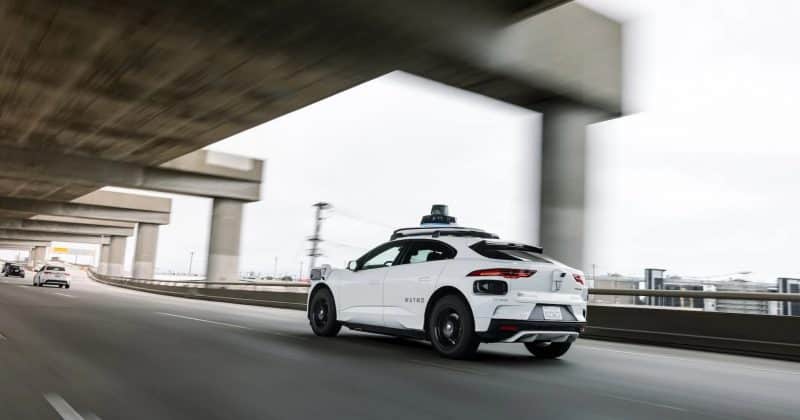
Waymo builds benchmark model for robotaxi crash comparisons
Alphabet's autonomous vehicle unit created a computer model simulating human driver behavior in crash scenarios to measure robotaxi safety against a consistent baseline.
Share
Add us on Google by Editorial Team Jun. 10, 2026Waymo just built a new tool to answer the question every robotaxi skeptic eventually asks: “But is it actually safer than a human driver?”
The Alphabet-owned autonomous vehicle company has created a computer model that simulates how human drivers behave in crash scenarios its robotaxis encounter. The goal is to create an apples-to-apples comparison framework rather than relying on messy, imperfect aggregate crash statistics.
The safety numbers so far
Waymo’s existing safety data already paints a favorable picture for the machines. The company’s autonomous driving system, which it calls the Waymo Driver, has shown a 92% reduction in serious injury crashes compared to human drivers over millions of miles driven. Airbag deployments, another proxy for crash severity, dropped by 83%.
AdvertisementThe raw crash-rate numbers tell a similar story. Waymo’s robotaxis average 2.1 police-reported crashes per million miles. Human drivers, by contrast, rack up 4.68 per million miles. The company has also claimed a 13x reduction in serious injury crashes. Waymo has logged over 170 million miles of robotaxi operations across its service areas.
Why a simulation model matters
The traditional approach to measuring autonomous vehicle safety involves comparing fleet-wide crash rates against national averages from databases maintained by entities like the National Highway Traffic Safety Administration. The problem with this method is that robotaxis don’t operate in the same conditions as the average human driver. Waymo’s vehicles primarily navigate specific urban environments, during certain hours, in mapped and geo-fenced areas.
Waymo’s new model attempts to sidestep this problem by simulating what a human driver would have done in the exact same scenario the robotaxi encountered. Instead of asking “how does Waymo compare to all drivers everywhere,” it asks “how does Waymo compare to a human driver in this specific situation?”
Independent evaluations have noted that Waymo’s record isn’t entirely spotless. Isolated incidents, including red-light violations, have been documented.
The competitive and regulatory landscape
As of May 2026, Texas alone has nearly 600 registered autonomous vehicles, reflecting significant growth in one of the country’s most permissive regulatory environments for self-driving technology.
The key risk to watch is whether Waymo opens this model to independent verification. A benchmarking tool that only the company itself can run and interpret will face justified skepticism. If Waymo publishes the methodology and allows third-party researchers to stress-test the model, it could become the gold standard for AV safety assessment.
Disclosure: This article was edited by Editorial Team. For more information on how we create and review content, see our Editorial Policy.