Member-only story
War Doesn’t Create Wealth — It Burns It
 Mateusz Banaszak4 min read·Just now
--
War has always carried an economic illusion with it. When conflict begins, factories accelerate, unemployment drops, and governments spend on a scale that would be politically impossible in normal times. To the casual observer, it can look like energy, even renewal, as if destruction somehow sets the economy in motion. From there, a tempting conclusion follows, perhaps heavy spending, even on war, brings prosperity.
But that impression rests on a simple mistake, confusing activity with wealth.
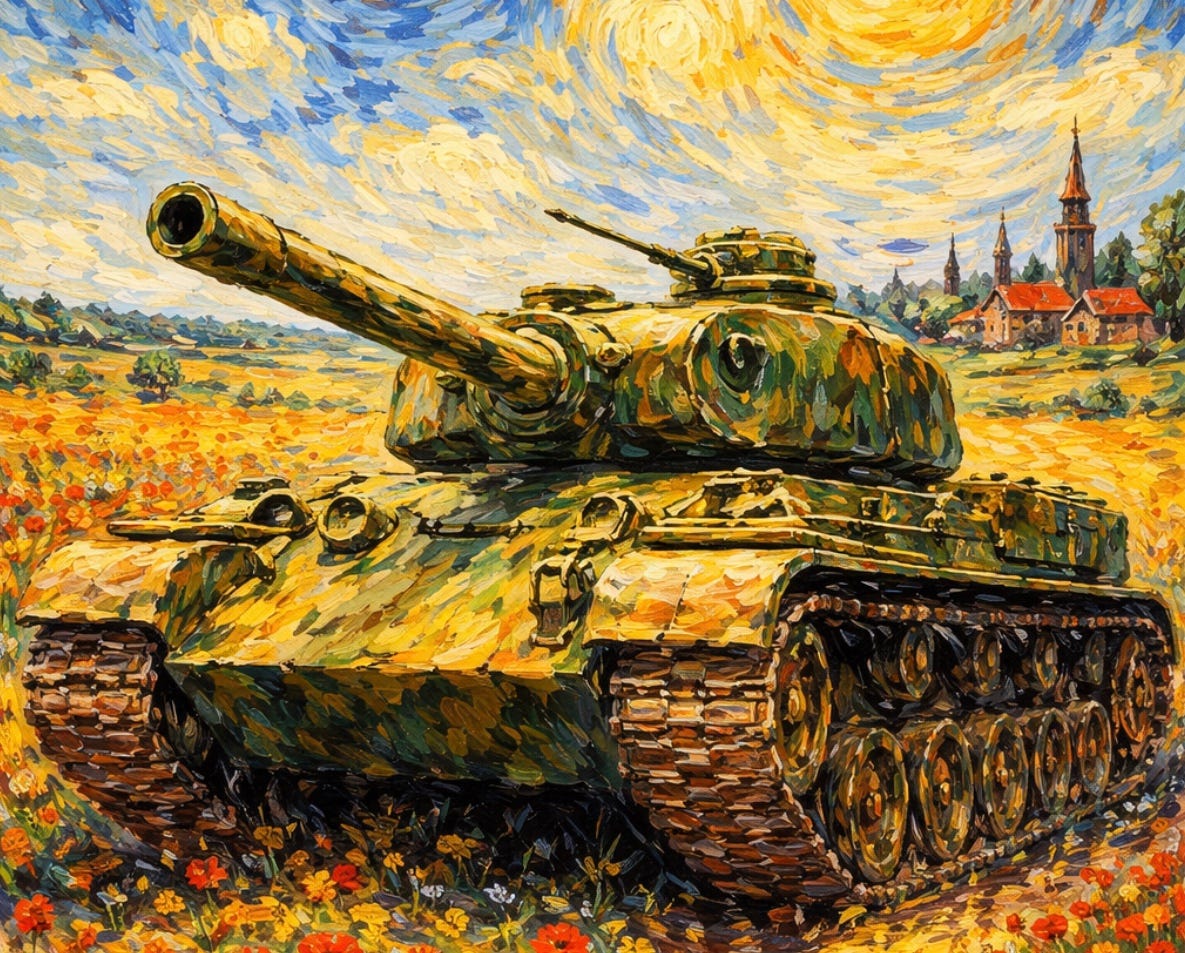
Nothing in war creates new resources. It only redirects what already exists. Steel that becomes a tank cannot become a bridge. Engineers working on weapons are no longer improving medicine or infrastructure. Workers sent to the front or absorbed into military production are no longer producing goods that improve everyday life. War does not expand the economic pie, it reshuffles it, often toward ends that consume rather than create.
The confusion deepens because what war produces is highly visible. Output rises, factories run at full capacity, and official statistics record growth. Yet these numbers reflect spending, not value. If thousands of people are employed to produce equipment that will be destroyed, the activity still counts as growth. But nothing durable or enriching has been added. Resources have been used up, not built up.