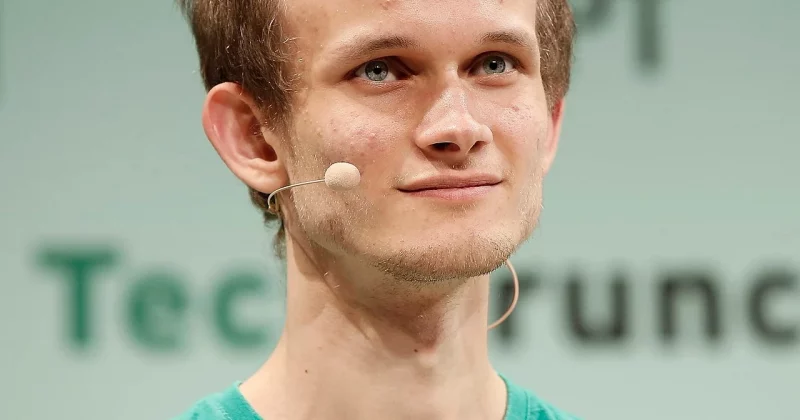
Vitalik Buterin calls for practical implementation of cypherpunk privacy on Ethereum
The Ethereum co-founder wants the community to stop talking about privacy and start shipping it, pointing to wallet-level tools like Kohaku as the path forward.
Share
Add us on Google by Editorial Team May. 26, 2026Vitalik Buterin has a message for the Ethereum community: enough with the privacy think pieces, start building the privacy tools.
On May 26, the Ethereum co-founder posted on X urging a shift from discussing privacy narratives to actually deploying privacy solutions across the network. The call to action came as Kohaku, an Ethereum Foundation-backed open-source SDK, advances toward integrating shielded transaction capabilities directly into Ethereum wallets.
From manifesto to middleware
Buterin first laid out his privacy ambitions in a December 2023 blog post titled “Make Ethereum Cypherpunk Again,” arguing that Ethereum had drifted too far from its original ethos of decentralization and self-sovereignty.
AdvertisementThen came the April 14, 2025 blog post, which outlined a concrete privacy roadmap. That plan focused on two core priorities: private on-chain payments and private RPC reads.
Kohaku functions as a software development kit that wallet developers can plug into their existing products, bringing privacy features to the wallets people already use. Kohaku integrates with shielded pool protocols like Railgun, which is already live on Ethereum, and Privacy Pools, which is still in development. These protocols allow users to transact without exposing sender, receiver, and amount data on the public blockchain, while still maintaining compliance mechanisms that distinguish them from older privacy tools that regulators found objectionable.
The Layer 1 question and FOCIL
Buterin’s privacy roadmap emphasizes minimal Layer 1 modifications, pushing most of the heavy lifting to the application and wallet layers instead.
One significant base-layer change is on the horizon. FOCIL, an upgrade targeting the late-2026 Hegota hard fork, aims to strengthen censorship resistance for Ethereum transactions by making it substantially harder for any single party in the block production pipeline to censor specific transactions.
The combination of wallet-level privacy through Kohaku and protocol-level censorship resistance through FOCIL represents what Buterin envisions as “privacy by default.”
Why this matters beyond the philosophical
Privacy Pools, one of the protocols Kohaku integrates with, attempts to thread the regulatory needle by allowing users to prove their funds aren’t from sanctioned sources without revealing their full transaction history.
Railgun integration through Kohaku could bring wallet-level privacy to mainstream Ethereum users relatively soon, while the Hegota hard fork with FOCIL is targeting late 2026.
Disclosure: This article was edited by Editorial Team. For more information on how we create and review content, see our Editorial Policy.