https://www.ndtahq.com/the-first-36-hours-strait-of-hormuz-becomes-a-war-zone-tankers-hit-shipping-giants-halt-gulf-transits/
US missile strike on Marivex escalates tensions in Strait of Hormuz
WTI crude oil price predictions
Share
Add us on Google by Estefano Gomez Jun. 9, 2026Market Snapshot
The WTI Crude Oil market is responding with a YES pricing trend, indicating expectations of increased prices following the escalation. The US declaration of war on Iran market remains low at 5.5% YES, with minimal change. The Strait of Hormuz traffic normalization market decreased to 30.5% YES, reflecting heightened disruption risks.
Key Takeaways
- The US missile strike on Marivex appears to escalate tensions in the Strait of Hormuz, suggesting increased risks for oil supply disruptions.
- Market pricing suggests a higher likelihood of prolonged disruptions in the Strait of Hormuz, consistent with a decrease in normalization odds.
- The declaration of war market shows moderate movement, indicating that market participants view the risk of a formal US declaration as still relatively low.
Article Body
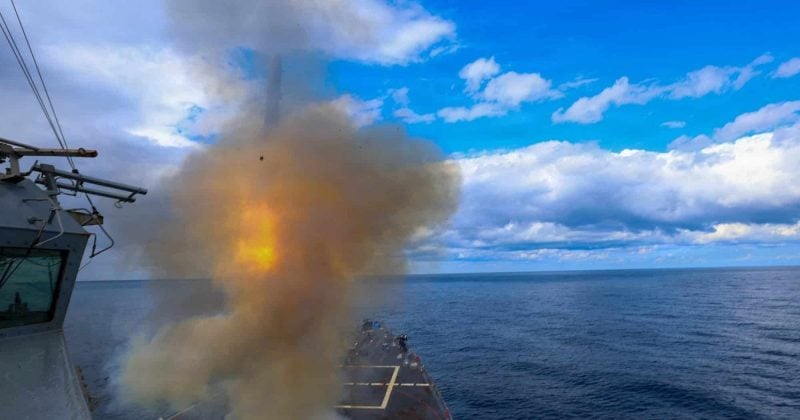
The US military has conducted a missile strike on the Indian-owned oil tanker Marivex off the coast of Oman, following the vessel’s attempt to breach a US-enforced blockade on Iranian shipping. The incident has exacerbated the ongoing maritime crisis in the Gulf of Oman, where the US and Iran are at odds over shipping access and sanctions. The Marivex, with its crew of 24 Indian nationals, was reportedly headed towards an Iranian port before being targeted. In response, Omani authorities have evacuated the crew and are assessing the situation as tensions rise among involved nations, including India and Palau, under whose flag the ship was registered.
AdvertisementMarket Interpretation
The recent US missile strike in a critical maritime channel is consistent with an outcome supportive of a YES scenario in WTI Crude Oil pricing, as it increases the likelihood of supply disruptions. The impact is considered high, given the market’s sensitivity to changes in geopolitical stability in oil transport regions. Although the declaration of war on Iran market reflects a moderate impact, the strike is leading to increased concern about escalations. The Strait of Hormuz traffic normalization market’s decrease indicates a strong expectation that the situation will not stabilize soon.
What to Watch
Watch for any military or diplomatic responses from Iran, which may further influence market perceptions of risk in the region. Additionally, statements from key actors like the US Navy or Iranian military will be crucial in assessing the potential for further escalation. Observers should also monitor reports from energy agencies and shipping analysts to gauge the ongoing impact on oil prices and shipping through the Strait of Hormuz.
Get prediction market intelligence as a structured API feed. Early access waitlist.
Disclosure: This article was edited by Estefano Gomez. For more information on how we create and review content, see our Editorial Policy.