US forces intercept Iranian missiles and drones near Strait of Hormuz, rattling global markets
The latest military escalation threatens the waterway that carries roughly 20% of global oil trade, with ripple effects already reaching crypto and commodity markets.
Share
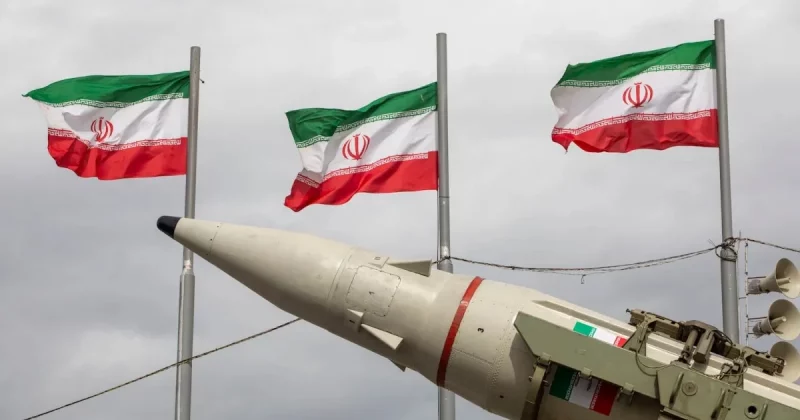
Add us on Google by Editorial Team Jun. 7, 2026US Central Command shot down six Iranian drones and intercepted six of seven ballistic missiles fired toward Gulf allies near the Strait of Hormuz between June 5 and June 7. The seventh missile reportedly fell short of its target.
The US also launched retaliatory strikes against Iranian coastal radar installations on Qeshm Island and in Goruk.
What happened and why it matters
Here’s the timeline. On June 5 and 6, US forces downed four Iranian drones threatening maritime traffic in and around the Strait of Hormuz. Two more drones were intercepted on June 7. Simultaneously, Iran launched seven ballistic missiles aimed at Kuwait and Bahrain, both key US allies in the Gulf. Six of those seven were intercepted by US defense systems.
AdvertisementThe Strait of Hormuz is the narrow chokepoint between Iran and the Arabian Peninsula. Roughly 20% of global oil trade passes through it.
The 2026 Iran conflict began in February, and despite a ceasefire brokered in April, the situation has clearly deteriorated.
The US strikes on Qeshm Island radar installations suggest a deliberate effort to degrade Iran’s ability to monitor and potentially target vessels transiting the strait. Qeshm Island sits directly in the waterway, giving Iran a strategic vantage point over one of the most heavily trafficked shipping lanes on Earth.
The crypto angle: sanctions, tolls, and volatility
Iran has been exploring the use of cryptocurrency payments for vessel tolls since around March or April of this year. The logic is straightforward: when traditional banking rails are blocked by international sanctions, crypto offers an alternative path.
No direct, verified market reactions in cryptocurrency assets have been confirmed from this specific incident yet.
What investors should actually watch
Iran’s crypto-based toll experiment, if it gains traction, could accelerate regulatory scrutiny of decentralized finance globally. Western regulators have long worried about crypto being used to circumvent sanctions regimes.
The fact that the US chose to strike Iranian radar installations, not just intercept incoming threats, suggests a willingness to escalate beyond purely defensive measures. Defensive interceptions can be brushed off diplomatically. Offensive strikes against sovereign territory cannot.
Disclosure: This article was edited by Editorial Team. For more information on how we create and review content, see our Editorial Policy.