US Central Command strikes targets in Iran as ceasefire talks stall, rattling crypto markets
Bitcoin whipsaws between $63K and $72K as military escalation near Bandar Abbas collides with diplomatic efforts in Qatar.
Share
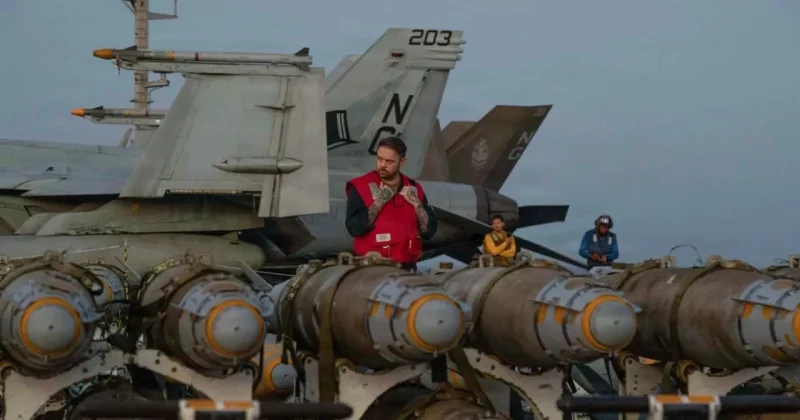
Add us on Google by Editorial Team May. 26, 2026The US Central Command carried out strikes against missile launch sites and Iranian boats near Bandar Abbas on May 25, marking the most significant military escalation since a ceasefire took effect on April 8. Hours before the strikes landed, Tehran publicly stated that a comprehensive deal with Washington was not imminent.
Bitcoin, already jittery from weeks of geopolitical noise, has been trading in a volatile $63,000 to $72,000 range. Brent crude surged over 2% to roughly $102 in the immediate aftermath, dragging risk assets into familiar territory: sell first, ask questions later.
What happened and why it matters
CENTCOM described the operation as “limited self-defense strikes,” targeting missile sites and naval vessels in southern Iran. The action came while diplomatic negotiations were actively underway in Qatar on May 25-26, with discussions centered on extending the existing ceasefire and addressing flashpoint issues like the Strait of Hormuz and Iran’s nuclear program.
Tehran’s pre-strike assertion that a deal was “not imminent” adds another layer. It suggests the diplomatic track was already losing momentum before bombs started falling, which means the path back to de-escalation just got longer and more complicated.
AdvertisementHow crypto is reacting
Bitcoin’s recent price action reads like a seismograph for Middle Eastern tensions. The $63,000 to $72,000 trading band represents a roughly 14% swing range, which is substantial for an asset that many institutional players now treat as a macro barometer.
The pattern has been consistent throughout this conflict cycle. Escalation headlines push Bitcoin toward the lower end of its range as traders shed risk. De-escalation signals, like ceasefire announcements or diplomatic progress, tend to push it back toward the upper bound.
Ethereum and other major digital assets have tracked similar patterns, though Bitcoin remains the primary bellwether for geopolitically driven moves. No specific crypto-native protocols have been directly affected by the conflict, but the broad risk-off sentiment doesn’t discriminate.
The oil price spike compounds the problem. Brent crude jumping over 2% to $102 feeds into inflation expectations, which feeds into interest rate expectations, which feeds into how institutional capital allocates across risk assets.
The diplomatic backdrop
The Qatar negotiations were supposed to be the next step in solidifying the April 8 ceasefire into something more durable. Key agenda items included the Strait of Hormuz, a chokepoint through which roughly a fifth of the world’s oil supply passes, and Iran’s nuclear ambitions.
The fact that talks continued on May 26, the day after the strikes, suggests neither side has fully abandoned the diplomatic track. But the dynamics have shifted. Iran now has domestic political pressure to respond, and Washington has signaled that its patience for perceived provocations has limits, even during negotiation periods.
What this means for investors
The oil price dynamic deserves close attention. If Brent crude sustains levels above $100, the macro headwinds for risk assets intensify. Higher energy costs feed inflation, which constrains central bank flexibility on rates, which limits the liquidity environment that crypto thrives in.
Traders with shorter time horizons should watch the Qatar talks closely. Any concrete language about ceasefire extension or deal frameworks would likely trigger a relief rally across risk assets, including crypto. Conversely, a breakdown in talks or Iranian retaliation would push markets further into defensive positioning.
Disclosure: This article was edited by Editorial Team. For more information on how we create and review content, see our Editorial Policy.