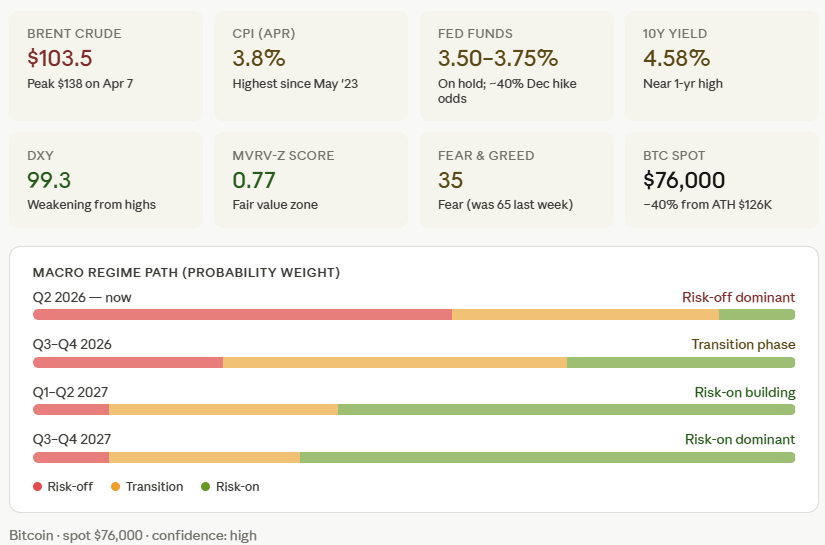
US bonds pressure stocks as yields reach critical 4.5% level
The 10-year Treasury yield is flirting with a threshold that has historically rattled both equities and crypto, and investors are paying close attention.
Share
Add us on Google by Editorial Team May. 27, 2026The 10-year US Treasury yield is creeping toward 4.5%, a level that functions as something of a psychological tripwire for financial markets. When bond yields rise, bond prices fall, and that dual pressure tends to spill over into equities, growth stocks, and risk assets across the board, including crypto.
Why 4.5% matters more than it should
Treasury yields are the baseline cost of money. When the 10-year yield rises, it reprices virtually everything else in the financial system. Mortgages get more expensive. Corporate borrowing costs climb. And crucially, the discount rate used to value future cash flows goes up, which hits growth and tech stocks hardest.
Tech-heavy indices have historically shown acute sensitivity to yield spikes above key thresholds. The 4.5% level on the 10-year has emerged as one of those thresholds where equity volatility tends to accelerate rather than just simmer.
AdvertisementThis dynamic creates what strategists call a “risk-off environment.” Stocks decline, bonds decline in price (even as their yields become more attractive to new buyers), and assets further out on the risk curve, like crypto, tend to feel the squeeze most acutely.
The crypto connection
Bitcoin and Ethereum don’t exist in a vacuum. Both assets face real pressure when Treasury yields climb because higher yields dampen the liquidity conditions that speculative markets thrive on.
Bitcoin generates no yield. Neither does Ethereum in a traditional sense (staking rewards notwithstanding). When a US Treasury bond offers 4.5% risk-free, the opportunity cost of parking capital in non-yielding digital assets becomes harder to justify, especially for institutional allocators who think in terms of risk-adjusted returns.
Historical data reinforces this pattern. Periods of rapid yield increases have consistently coincided with heightened equity volatility, and that volatility bleeds into crypto markets with a multiplier effect.
What comes next for investors
There’s a plausible scenario where the Fed eventually cuts rates in response to an economic slowdown, which some forecasters expect could materialize by 2026. If that happens, fixed income returns could improve meaningfully, and the resulting easing of financial conditions would likely lift both equities and digital assets.
For crypto investors specifically, the key variable to watch isn’t Bitcoin’s price chart. It’s the bond market. If the 10-year yield stabilizes near current levels and markets find a new equilibrium, the damage may be contained. If yields push higher, driven by sticky inflation data or fiscal concerns, the pressure on risk assets will intensify.
Disclosure: This article was edited by Editorial Team. For more information on how we create and review content, see our Editorial Policy.