United States upholds tariff caps in trade deals with EU, Japan
USTR Jamieson Greer confirms existing 15% tariff ceilings will hold even as new forced-labor duties target 60 economies.
Share
Add us on Google by Editorial Team Jun. 5, 2026The US is threading a very specific needle with its trade policy. New tariffs aimed at punishing forced-labor practices are coming for dozens of economies, but Washington insists these duties won’t blow past the caps it already agreed to with key allies.
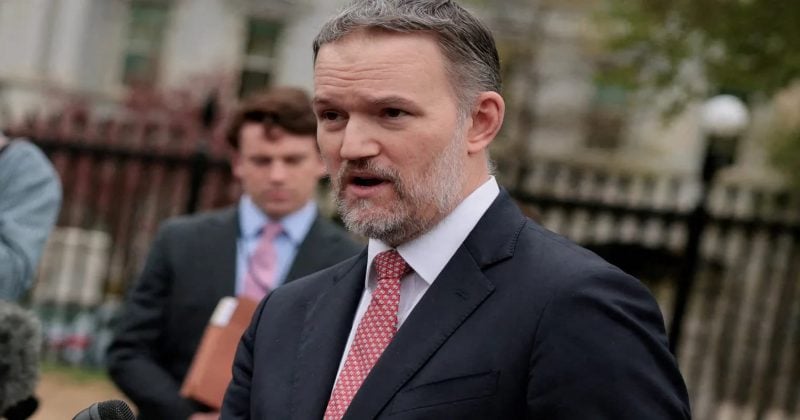
US Trade Representative Jamieson Greer confirmed on June 4 that the 15% tariff cap on imports from the European Union and Japan remains intact. The reassurance came just one day after the administration proposed fresh Section 301 tariffs that would hit goods from 60 economies deemed insufficiently aggressive on forced-labor enforcement.
New tariffs, old promises
The proposed forced-labor tariffs would slap an additional 10% duty on EU goods and 12.5% on Japanese goods. Both figures technically fall under the existing 15% ceiling, which means Washington can argue it’s playing by its own rules.
Greer was explicit that the new duties would not violate the previously negotiated caps. That includes the Turnberry framework agreement with the EU, a deal the administration clearly wants to preserve even as it ratchets up pressure elsewhere.
AdvertisementThe 60 economies targeted by the proposed Section 301 action represent a sweeping enforcement posture. The legal authority the administration is citing ties tariff power to forced-labor concerns, giving it a human-rights framing that makes opposition politically awkward for trading partners.
The investigation that could change everything
The 15% cap story gets more complicated when you factor in a separate, ongoing Section 301 investigation into excess manufacturing capacity. This inquiry could eventually justify tariff rates above the 15% threshold.
Greer acknowledged the investigation but noted that any resulting tariff increases would be contingent on the terms of existing bilateral agreements. The caps hold for now, but if the manufacturing capacity probe produces findings serious enough, the administration may try to renegotiate or carve out exceptions.
For the EU and Japan, this creates a two-track anxiety. The immediate forced-labor tariffs are manageable because they stay within agreed limits. The manufacturing capacity investigation, however, represents a potential second wave with no such guardrails.
What this means for markets and investors
The confirmation of tariff caps provides short-term predictability for businesses importing from the EU and Japan. Companies that have built their logistics and pricing models around the 15% ceiling can plan accordingly. That stability matters for sectors ranging from automotive parts to industrial machinery, where margin calculations depend on knowing the cost of cross-border commerce.
The manufacturing capacity investigation adds another layer of risk. If that probe results in tariffs above 15%, the current agreements could face renegotiation pressure. For investors positioned in European or Japanese export-heavy equities, the operative question isn’t whether today’s caps hold. It’s whether the next round of findings gives the US a reason to push past them.
Crypto markets got no direct mention in any of the tariff discussions. The absence of any blockchain or digital asset language in these proceedings suggests this particular trade development stays firmly in the traditional finance lane.
Disclosure: This article was edited by Editorial Team. For more information on how we create and review content, see our Editorial Policy.