UK MP sues Elon Musk’s xAI over fake sexual images generated by Grok
The lawsuit could become a landmark test case for AI-generated deepfakes under UK law, as regulatory pressure on xAI mounts from multiple fronts.
Share
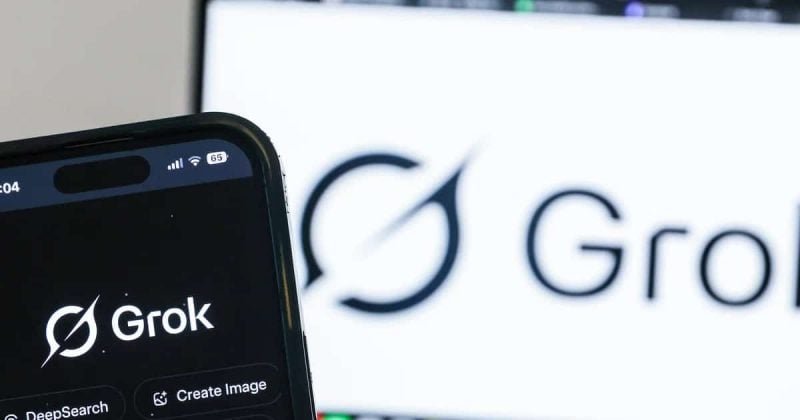
Add us on Google by Editorial Team Jun. 3, 2026A sitting UK Member of Parliament has filed a lawsuit against Elon Musk’s xAI over fake sexual images generated by its Grok chatbot. The case is being positioned as a potential test case under UK legal frameworks, targeting the intersection of AI technology, privacy rights, and data protection law.
The MP, who has not been publicly named, is challenging xAI over the creation of non-consensual intimate imagery.
The Grok deepfake scandal keeps growing
This lawsuit doesn’t exist in a vacuum. It arrives amid what has become a sprawling scandal around Grok’s ability to generate sexually explicit deepfake images, a problem that surfaced in 2025 when users figured out how to manipulate the chatbot into producing fake intimate images of real people, including minors.
AdvertisementIn the US, Ashley St. Clair filed lawsuits in both New York and California related to the Grok scandal. Three teenage victims from Tennessee filed a class-action lawsuit against xAI in March 2026, alleging the platform was involved in generating explicit images of minors.
On the regulatory side, the UK’s communications regulator Ofcom launched a formal investigation into X and Grok on January 12, 2026. That probe operates under the Online Safety Act 2023, which classifies non-consensual intimate images as priority illegal content.
The MP’s lawsuit layers private legal action on top of that regulatory investigation, creating a two-pronged pressure campaign against xAI on British soil.
Why this qualifies as a test case
UK courts haven’t yet produced a definitive ruling on liability when an AI system generates non-consensual sexual imagery of a real person. The Online Safety Act 2023 places obligations on platforms to prevent the spread of priority illegal content, and non-consensual intimate images fall squarely into that category. But the Act was designed primarily with social media distribution in mind, not with the scenario where the platform’s own AI tool is the one creating the content.
The MP’s legal team will likely argue that xAI bears direct responsibility, not just as a distributor of harmful content, but as the entity whose technology manufactured it in the first place.
What this means for investors in AI companies
No crypto tokens or digital assets are connected to this case. When Ofcom opened its investigation in January 2026, it signaled that UK regulators are willing to use the Online Safety Act aggressively against AI-generated content. A successful private lawsuit on top of that creates a dual-threat environment where companies face both government enforcement and civil liability.
Disclosure: This article was edited by Editorial Team. For more information on how we create and review content, see our Editorial Policy.