Trump says US not satisfied with Iran deal, warns against rushing negotiations
Bitcoin jumped roughly 3% toward $77K as markets priced in de-escalation hopes, but the president's cautious tone suggests a final agreement remains far off.
Share
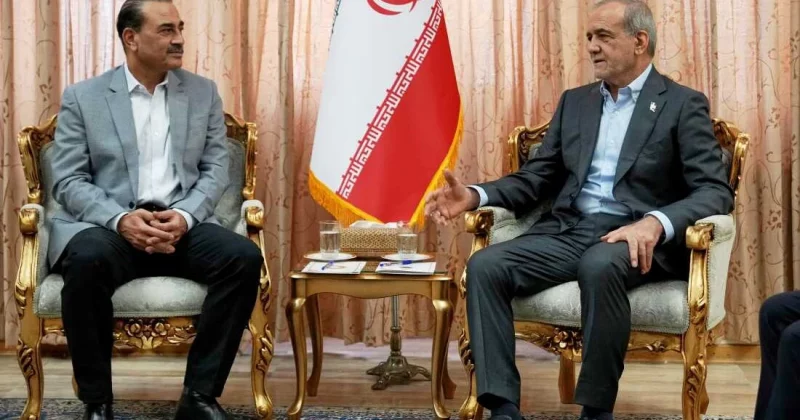
Add us on Google by Editorial Team May. 27, 2026President Donald Trump told negotiators to pump the brakes on a potential deal with Iran, saying the US is “not satisfied yet” with the terms being discussed. The directive came even as both sides acknowledged that talks have been “constructive” and “largely negotiated,” a combination of signals that left markets cautiously optimistic and political critics sharpening their knives.
Bitcoin responded by climbing approximately 3%, pushing toward the $77K level. The broader digital asset market cap swelled by roughly $75 billion as traders interpreted the ongoing talks as a net positive for risk assets, even with Trump’s explicit warning not to rush.
What’s actually happening in Doha
Negotiations resumed in Doha involving the US, Iran, and other countries. The discussions reportedly touched on several flashpoints, including the potential reopening of the Strait of Hormuz, one of the world’s most critical oil transit chokepoints.
AdvertisementIranian officials confirmed progress but were careful to note that a final deal is “not imminent.” Trump echoed that sentiment from the American side, directing his team not to hurry the process. He emphasized that any agreement needs to be favorable for all parties involved, or there simply won’t be one.
The political pushback
Republican figures including Lindsey Graham and Ted Cruz have voiced concerns about whether the proposed terms are too lenient toward Iran. Their criticism centers on a familiar argument: that any deal offering too many concessions risks repeating what they view as the mistakes of the 2015 JCPOA under the Obama administration.
Trump’s public insistence that the US isn’t satisfied yet reads, at least in part, as a message to his own party. It’s a way of signaling that he’s not going soft, even as his negotiators sit across the table making tangible progress.
Why crypto cares about Middle East diplomacy
The roughly $75 billion jump in total crypto market capitalization tied to these negotiations underscores something that’s become increasingly clear: Bitcoin and digital assets broadly are now functioning as macro risk barometers. Geopolitical tensions in the Middle East have historically driven energy prices higher, which ripples through inflation expectations, central bank policy, and ultimately risk asset valuations. When tensions ease, that chain works in reverse.
Bitcoin’s move toward $77K on the back of Doha talks fits this pattern. It’s not that anyone buying Bitcoin is making a specific bet on whether the Strait of Hormuz stays open. It’s that reduced geopolitical risk lowers the probability of economic shocks, and that’s good for assets that thrive in risk-on environments.
Disclosure: This article was edited by Editorial Team. For more information on how we create and review content, see our Editorial Policy.