Trump pushes for sweeping Middle East peace deal encompassing Iran and Israel
The president is trying to bundle an end-of-war agreement with Iran alongside expanded Abraham Accords normalization, and crypto markets are paying attention.
Share
Add us on Google by Editorial Team May. 26, 2026President Trump is attempting something that has eluded US presidents for decades: a comprehensive Middle East peace framework that loops in both Iran and Israel.
Trump stated on May 23 that a memorandum of understanding with Iran “has been largely negotiated,” with the deal expected to include the reopening of the Strait of Hormuz. Two days later, he went further, declaring that normalization with Israel “should be mandatory” for countries participating in an expanded Abraham Accords framework.
Two tracks, one giant bet
Trump isn’t running one negotiation. He’s running two, and trying to make them reinforce each other.
The first track is the Iran deal itself. Secretary of State Marco Rubio said on May 24 that “significant progress” has been made in US-Iran talks, though he was careful to note the negotiations aren’t conclusive yet.
AdvertisementThe second track is normalization. Following a May 24 call with regional leaders, Trump appealed directly to Saudi Arabia, the UAE, Qatar, Egypt, Turkey, and Pakistan to formalize diplomatic relations with Israel. The response from those leaders was, charitably described, lukewarm.
Saudi Arabia has long conditioned normalization on progress toward Palestinian statehood. Turkey’s relationship with Israel has been icy for years. Pakistan has never recognized Israel.
Building on the original Abraham Accords
This initiative traces directly back to Trump’s first-term Abraham Accords from 2020, which established normalized relations between Israel and four countries: the UAE, Bahrain, Morocco, and Sudan.
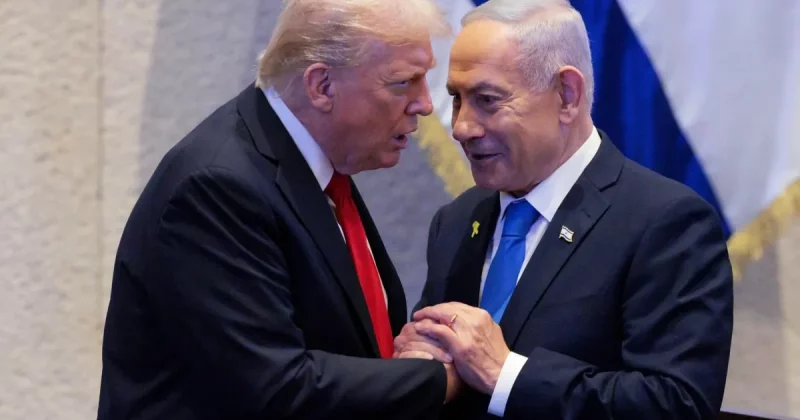
Direct discussions between Trump and Israeli Prime Minister Benjamin Netanyahu have taken place as part of this push.
What this means for crypto investors
Bitcoin and Ether prices have both moved higher as optimism around a potential US-Iran agreement has grown.
On Polymarket, the probability of a US-Iran peace deal has reached 37%. The pattern here echoes what happened during earlier Israel-Iran ceasefire announcements in 2025-2026, when crypto assets rallied on reduced geopolitical risk.
The Strait of Hormuz component is particularly relevant: that waterway handles roughly a fifth of the world’s oil supply, and its reopening would ease energy market jitters that have periodically weighed on all risk assets, crypto included.
The flip side is equally important. These negotiations could collapse. If talks stall or fall apart publicly, the same markets that rallied on optimism could reverse sharply. Traders positioning around a peace premium should be pricing in the very real possibility that 37% odds mean a 63% chance it doesn’t happen.
Disclosure: This article was edited by Editorial Team. For more information on how we create and review content, see our Editorial Policy.