Trump postpones AI executive order after David Sacks warns of regulatory risks
The former AI and Crypto Czar, along with Elon Musk and Mark Zuckerberg, convinced the president to shelve the order hours before signing.
Share
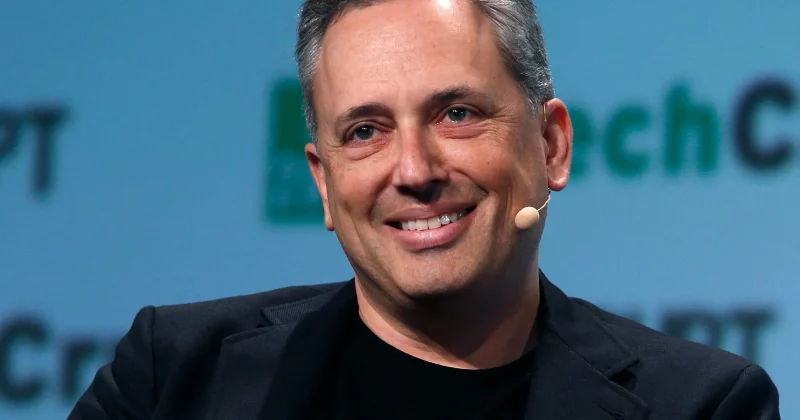
Add us on Google by Editorial Team May. 23, 2026President Trump pulled the plug on an AI safety executive order on May 21, just hours before a planned White House signing ceremony. The reason: a last-minute lobbying blitz from some of the most powerful names in tech, led by David Sacks, who argued the order’s proposed review process for advanced AI models would hand China a competitive advantage.
What happened behind the scenes
The chain of events unfolded rapidly over roughly 12 hours. Between the evening of May 20 and the morning of May 21, both Elon Musk and Mark Zuckerberg made calls to express concerns about the executive order’s implications.
Then Sacks weighed in directly on the morning of May 21, arguing that the order’s voluntary government review process for advanced AI models could function as a de facto regulatory bottleneck. His pitch was straightforward: any friction added to US AI development is a gift to Beijing.
AdvertisementTrump, who had been expected to sign the order later that day, cited dissatisfaction with certain provisions and stressed the importance of maintaining American dominance in AI. The ceremony was shelved.
Sacks’ evolving role in tech policy
Sacks originally served as Trump’s AI and Crypto Czar, a dual-hatted role that made him the de facto bridge between the White House and Silicon Valley on two of the most consequential technology sectors.
In March 2026, Sacks transitioned to co-chair of the President’s Council of Advisors on Science and Technology. His ability to convince the president to reverse course on a major executive order, on the day it was supposed to be signed, speaks volumes about his continued clout in shaping tech policy.
This isn’t the first time the administration has taken a deregulatory stance on AI. Trump signed an executive order on December 11, 2025, aimed at preempting state-level AI regulations, effectively trying to prevent a patchwork of local rules from complicating the landscape for AI companies operating nationally.
What this means for investors
The fact that this order got far enough to have a signing ceremony scheduled, only to be torpedoed at the last minute, reveals genuine tension within the administration about where the line should be drawn on AI safety.
For the crypto sector specifically, Sacks’ regulatory instincts shaped early crypto policy under Trump, and those same instincts just killed an AI safety order. The philosophy is consistent: move fast, regulate later, and frame everything through the lens of US-China competition.
Disclosure: This article was edited by Editorial Team. For more information on how we create and review content, see our Editorial Policy.