Trump considers $1T China investment deal, alarming conservatives
A reported Chinese proposal to pour $1 trillion into the US is drawing fierce pushback from within Trump's own party, with implications that ripple well beyond traditional markets.
Share
Add us on Google by Editorial Team May. 14, 2026A reported offer from China to invest $1 trillion in the United States has become the latest flashpoint in Washington, with conservative Republicans sounding alarms about national security risks and the potential rollback of restrictions on Chinese deals.
The proposal, which reportedly emerged during trade talks earlier this year, would dwarf investment commitments from European and Japanese allies. In exchange, China is said to be seeking lower tariffs and the easing of national security restrictions that currently limit Chinese investment in US industries.
What’s actually on the table
The investment package reportedly surfaced during trade negotiations in Madrid, bundled alongside a framework for TikTok that would allow US oversight of the app’s operations while keeping it accessible to American users.
The package reportedly also touches on broader geopolitical issues, including US policy toward Taiwan.
The White House has labeled the reports as “false,” emphasizing compliance with the existing Phase One trade agreement. But the denial hasn’t stopped the political firestorm from spreading across Capitol Hill.
Why conservatives are not thrilled
Critics are quick to point to China’s track record with trade agreements. The Phase One deal signed during Trump’s first term, which was supposed to result in massive Chinese purchases of American goods, fell well short of its targets.
Key political figures within the Republican conference have called for intense scrutiny of any new agreements with Beijing, arguing that China has consistently exploited trade deals to advance its own strategic interests while delivering less than promised to American workers and industries.
The crypto and blockchain angle
A major thaw in US-China economic relations could alter the regulatory environment for Chinese-linked digital assets and platforms that currently operate under heavy scrutiny. Any relaxation of national security restrictions could ripple through the crypto industry in unexpected ways.
There’s also the supply chain dimension. Large-scale Chinese investment in US manufacturing could accelerate the adoption of blockchain technologies for supply chain tracking and verification, a use case that both countries have been developing independently.
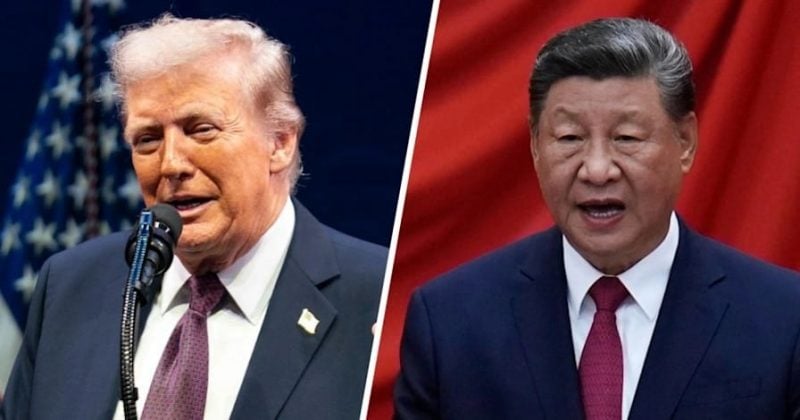
A Trump summit with Chinese President Xi Jinping is anticipated later this month, potentially in South Korea, which could provide more clarity on whether these discussions are serious negotiations or opening gambits in a broader economic chess match.
Any loosening of national security restrictions on Chinese investment could reshape which blockchain projects receive funding, which exchanges face scrutiny, and how digital asset policy evolves during the remainder of Trump’s term. Chinese investment in the US has dropped 96% from 2016 highs, reflecting heightened tensions since 2018 due to tariffs and national security regulations, making any moves toward a trillion-dollar deal a dramatic shift in investment dynamics.
Disclosure: This article was edited by Editorial Team. For more information on how we create and review content, see our Editorial Policy.