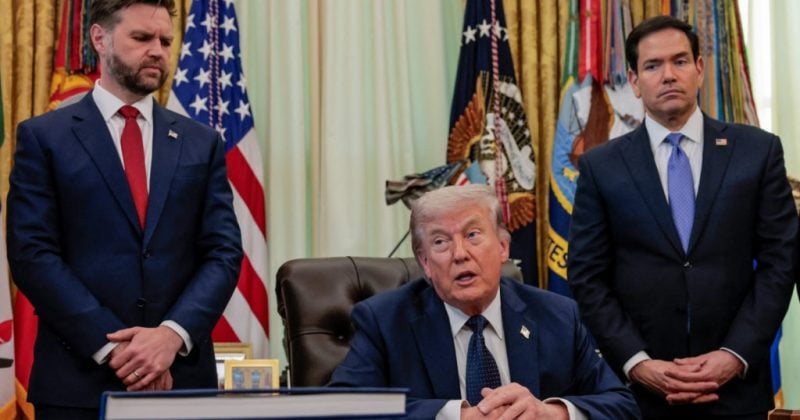
Trump announces Israel will not deploy troops to Beirut, oil futures trim gains
Oil markets whipsawed again as the latest diplomatic signal from Trump tempers fears of deeper Israeli military engagement in Lebanon.
Share
Add us on Google by Editorial Team Jun. 1, 2026Oil futures initially spiked on renewed fears of escalation in the Israel-Lebanon conflict, then trimmed those gains after President Trump announced that Israel would not be sending troops into Beirut.
The announcement carries weight precisely because of what preceded it. Israel has been conducting limited ground operations in Lebanon since March 2026, including targeted strikes against Hezbollah positions in Beirut’s southern suburbs. An Israeli troop deployment directly into the capital would have represented a dramatic escalation, one that oil markets were clearly pricing in before Trump stepped to the microphone.
A ceasefire under constant pressure
A 10-day ceasefire brokered by the US began on April 16, 2026, and was later extended by an additional three weeks as international pressure mounted for Israeli troop withdrawals from southern Lebanon.
AdvertisementTrump has also publicly stated that no additional US ground troops would be deployed to the region.
Oil markets: the geopolitical seismograph
On June 1, 2026, oil futures surged over 3% following escalations tied to Israeli troop movements and the breakdown of US-Iran talks. Brent and WTI prices dipped below $100 per barrel in mid-April when ceasefire developments and de-escalation signals gave traders reason to breathe.
Lebanon itself isn’t a major oil producer, but the broader regional dynamics involve Iran, a significant crude exporter whose halted talks with the US have added another layer of supply uncertainty.
What this means for investors
The 3% surge on June 1 and the sub-$100 dip in mid-April represent a trading range driven almost entirely by headlines rather than fundamentals like supply and demand.
There’s been no significant direct impact on token prices from these geopolitical events. Prediction markets like Polymarket have shown activity around Trump’s mediation efforts in the Israel-Lebanon situation, reflecting shifting investor sentiment about the trajectory of the conflict.
A sustained spike in oil above $100 per barrel would tighten financial conditions in ways that matter for every asset class, Bitcoin included.
Disclosure: This article was edited by Editorial Team. For more information on how we create and review content, see our Editorial Policy.