Trading vs Investing: Understanding the Difference Before You Risk Your Money
 Lucas Graham3 min read·1 hour ago
--
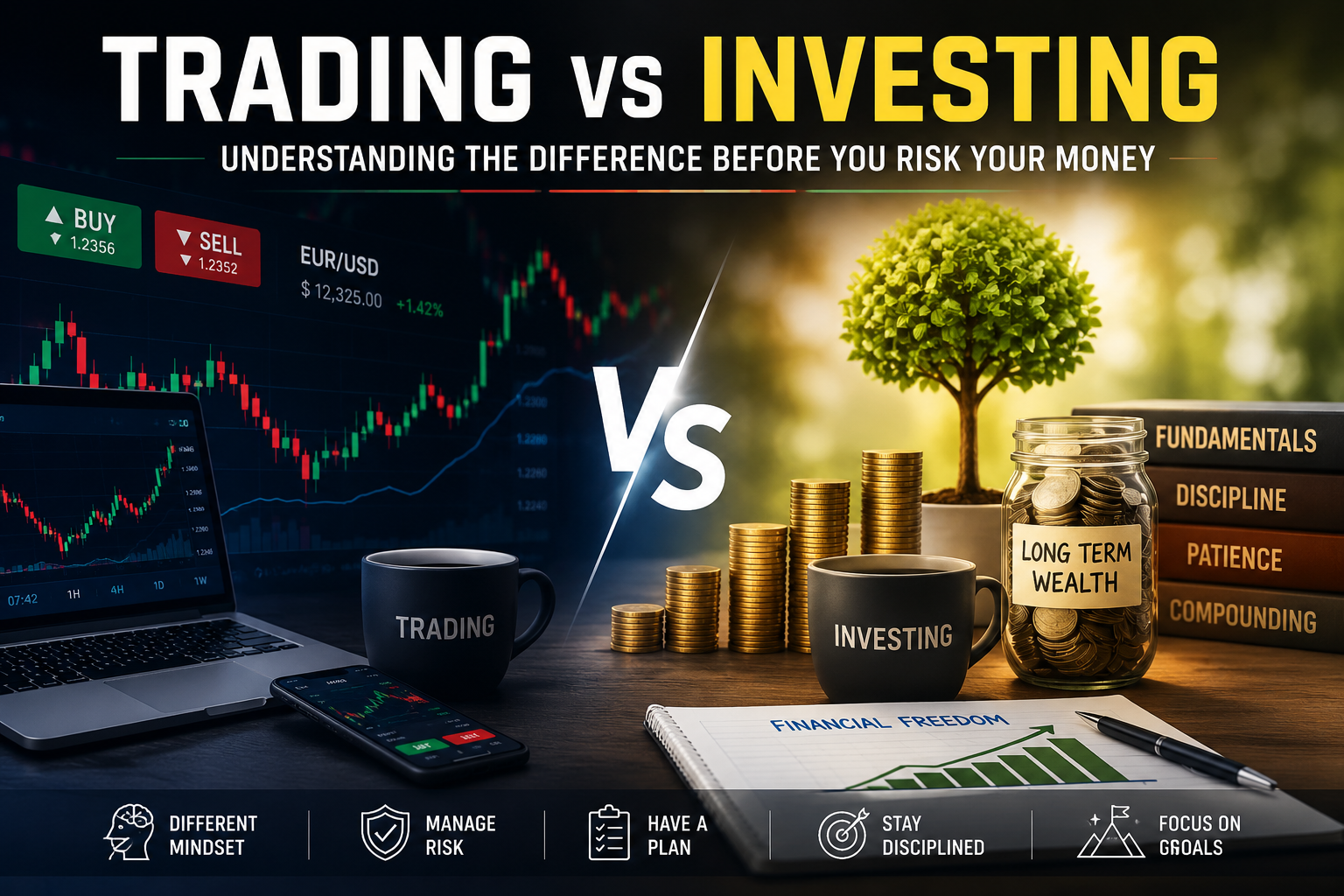
Financial markets have created opportunities for millions of people around the world. Some people enter the market to trade short-term price movements, while others focus on long-term investing and wealth creation. Both approaches can work, but they require completely different mindsets, strategies, and expectations.
For traders and investors looking to improve their understanding of market behavior, analysis, and financial education, visit Elite Gold Signal.
The problem is that many beginners enter trading believing it is an easy shortcut to financial freedom. Social media often highlights luxury lifestyles, winning screenshots, and overnight success stories, creating the impression that consistent profits are simple to achieve.
In reality, markets are highly competitive and influenced by institutions, algorithms, economic events, and investor psychology. Success in trading usually requires discipline, risk management, patience, and experience. It is not simply about predicting whether a chart will go up or down.
At the same time, investing is often misunderstood as being slow or boring. However, long-term investing has historically been one of the most reliable ways to build wealth gradually through compounding and strong asset selection.
The key is understanding that trading and investing are not enemies. They are two different approaches to participating in financial markets.
Understanding Trading
Trading focuses on short-term market movements. Traders attempt to profit from price fluctuations that happen within minutes, hours, days, or weeks.
Some traders use:
- Technical analysis
- Market trends
- Economic news
- Momentum strategies
- Risk management systems
Modern trading environments move extremely fast. Institutional firms and professional traders use advanced technology, real-time data, and automated systems to execute trades efficiently. Because of this, short-term trading can be challenging for beginners who enter the market without proper education or strategy.
That does not mean retail traders cannot succeed. Many traders develop profitable systems over time. But consistent success usually comes from learning risk management, controlling emotions, and understanding market structure instead of chasing quick profits.
Platforms such as Elite Gold Signal provide market insights, trading education, and analysis that help traders better understand how markets behave.
Understanding Investing
Investing focuses on long-term growth rather than short-term price movement. Investors usually buy assets based on long-term fundamentals, economic potential, and future growth expectations.
Instead of reacting to daily market fluctuations, long-term investors often focus on:
- Business performance
- Industry growth
- Economic trends
- Diversification
- Compounding returns
One of the strongest advantages of investing is time.
genui{“math_block_widget_always_prefetch_v2”:{“content”:”A=P\left(1+\frac{r}{n}\right)^{nt}”}}
Compounding allows investments to grow steadily over years, which is why many experienced investors prioritize patience over constant market activity.
Resources from Morningstar and The Vanguard Group explain how diversified long-term investing strategies have historically helped investors build wealth more consistently.
The Importance of Risk Management
Whether someone chooses trading or investing, risk management remains one of the most important skills in financial markets.
Many losses happen not because markets are impossible, but because people:
- Risk too much capital
- Trade emotionally
- Ignore diversification
- Chase losses
- Enter markets without a plan
Experienced market participants understand that protecting capital is just as important as generating profits.
Successful traders often focus on limiting losses and maintaining discipline, while successful investors focus on consistency and long-term growth.
Finding Balance Between Trading and Investing
For many people, the best approach is not choosing one side completely.
Some individuals actively trade a smaller portion of their portfolio while keeping the majority of their capital invested for long-term growth. This creates balance between short-term opportunities and long-term wealth building.
Trading can provide market experience and active opportunities, while investing creates stability and compounding over time.
The most important thing is having realistic expectations and understanding that financial success usually comes from patience, education, and consistency rather than quick shortcuts.
Final Thoughts
Trading and investing both have advantages and risks. Trading offers short-term opportunities and requires active decision-making, while investing focuses on long-term growth and compounding.
Neither approach is guaranteed, and both require discipline, learning, and proper risk management.
Instead of treating markets like a gamble or a get-rich-quick scheme, successful participants usually approach them with strategy, patience, and continuous education.
Disclaimer: This content is for informational purposes only and not financial advice. Investing and trading involve risk.