 drsskro6 min read·Just now
--
The Universal Signal: How Pulse Check Has Evolved From Ancient Wisdom to Future Medicine
From the earliest healers sitting beside rivers to today’s labs scanning bioelectric rhythms, the pulse has always spoken — if we know how to listen.
What if I told you that a simple touch at the wrist can reveal not only your heart rate, but your genetics, your stress patterns, your metabolic state, even your future disease risk? This is not fiction. It is where ancient pulse science and modern medicine are converging to redefine diagnostics.
Today’s pulse is no longer just a beat. It’s a biological language, a code that carries your body’s past, present, and future.
Ancient Pulse Science: A Genius Before Its Time
Long before stethoscopes or ECG machines, sages, seers, and physicians in India developed a profound understanding of the pulse. This wisdom is recorded in foundational texts like:
Charaka Samhita
Sushruta Samhita
Sharangdhar Samhita
Bhavaprakasha
Yogratnakar
These texts describe not one pulse… but hundreds of pulse qualities, each corresponding to specific body conditions.
Ayurvedic pulse diagnosis (नाड़ी परीक्षण) was not just about feeling the heartbeat. It was about interpreting the quality, rhythm, flow, and character of the pulse to understand the whole body.
In Ayurveda, the pulse is a microcosm of the body’s entire physiological state. It reveals:
Which dosha (Vata, Pitta, Kapha) is imbalanced
Whether toxins are accumulating
How digestion, mind, nerves, and tissues are functioning
Whether there is inflammation, degeneration, or imbalance long before disease appears
Legendary Ayurvedic physicians such as Sushruta were said to determine:
What you ate in the past week
Your emotional state
The level of toxins in your blood
Organ weaknesses
Future disease tendencies
All from the wrist pulse.
The Classic Ayurvedic Method
In Ayurveda:
1. The dominant hand pulse is checked:
Left for women
Right for men
2. The index, middle, and ring fingers are placed lightly on the radial artery.
3. Each finger corresponds to a dosha:
Index ➝ Vata
Middle ➝ Pitta
Ring ➝ Kapha
4. The nature of the pulse — fast, slow, deep, shallow — reveals which dosha is dominant or disturbed.
Vata pulses are light and irregular,
Pitta pulses are sharp and rapid,
Kapha pulses are heavy and slow.
There are hundreds of pulse patterns described, each representing unique health imbalances. Truly skilled Ayurvedic healers could accurately assess not just symptomatic disease but the root constitutional imbalance.
This was not folklore. It was a refined genetics of physiology — far ahead of its time.
Modern Pulse Practice in Western Medicine
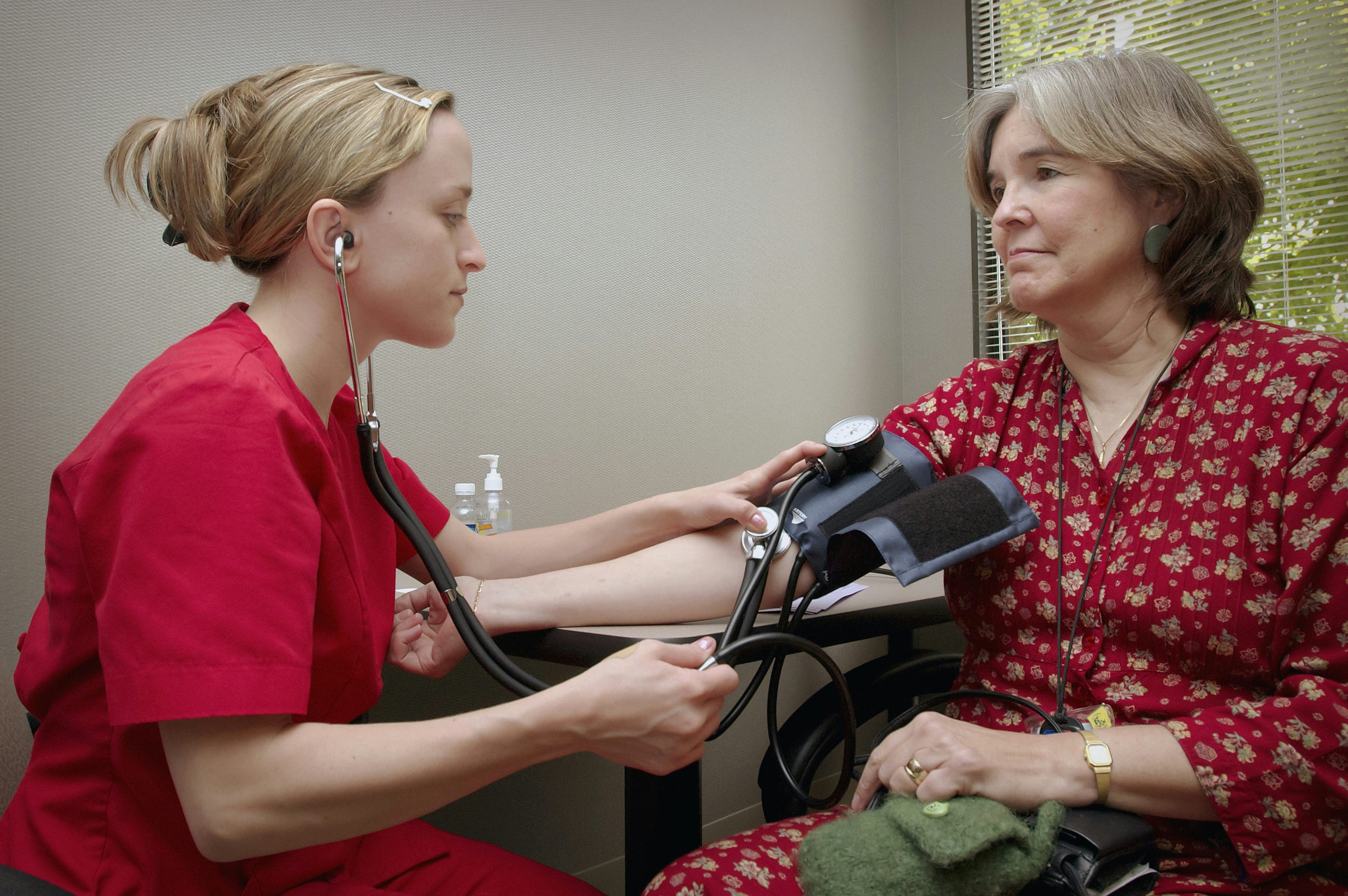
In allopathic medicine, pulse checking is usually limited to:
Heart rate
Rhythm (regular/irregular)
Strength (weak/strong)
Quality (bounding/thready)
ECG and digital monitors expanded this to electrical conduction patterns, heart conductivity, and rhythm abnormalities.
But traditional Western practice still uses the pulse mainly for cardiac and circulatory information.
Where Science Began to See the Pulse as More Than a Beat
In the last 20 years, research has shown that pulse waveforms contain far more information than previously thought.
The pulse is now understood to reflect:
Vascular health
Arterial stiffness
Blood pressure patterns
Autonomic nervous system balance
Metabolic state
Inflammatory status
Modern research has shown that pulse wave patterns correlate with cardiovascular risk, metabolic disorders like diabetes, stress levels, sleep quality, and even neurodegenerative changes.
Pulse Wave Velocity (PWV)
Pulse wave velocity is an advanced metric used to assess the elasticity of blood vessels. Higher PWV means stiffer arteries — a hallmark of early cardiovascular disease, before symptoms appear.
Photoplethysmography (PPG)
Smart wearables use PPG to measure pulse variations and derive:
Heart rate variability (HRV)
Stress response
Sleep stages
Autonomic function
Oxygen saturation
But even this is still just scratching the surface.
Integrating Ancient Pulse Wisdom With Modern Science
What if we could read pulse signals like an Ayurvedic physician AND interpret them through genetic, neurological, and metabolic data?
This is where medicine is heading.
Why Pulse Assessment Works Deeply
The pulse is a dynamic integration of:
Cardiac rhythm
Vascular elasticity
Autonomic nervous system signaling
Hormonal balance
Cellular metabolism
Nervous system feedback
Stress modulation
Inflammation and immune response
Everything that matters in health.
When the body is stressed, a complex neuro-hormonal cascade affects the pulse.
When inflammation rises, the pulse changes shape.
When digestion is weak, the rhythm subtly alters.
Ancient physicians recognized these changes centuries before machines could measure them.
The Genetic Angle: What Your Pulse Is Whispering
Modern genetics proves what the ancients felt intuitively:
Your constitution (vikriti and prakriti in Ayurveda) is deeply tied to your genomic expression.
Certain gene variants influence:
Metabolism
Stress response
Digestive efficiency
Immune function
Neurotransmitter balance
Longevity pathways
Research now shows that people with similar genetic expression often share common pulse waveform signatures.
This means the pulse is not just a mechanical beat — it is a genomic-physiological fingerprint.
This opens up possibilities for:
Precision health profiling
Early disease prediction
Personalized lifestyle and therapeutic guidance
Genetic risk prediction integrated with real-time physiology
Neurology and the Pulse
The pulse not only tells us about the heart and vessels. It reflects neurological balance.
The autonomic nervous system (ANS) — the control center of stress, metabolism, digestion, and sleep — directly influences pulse patterns.
Heart-brain communication is a two-way highway:
The brain influences heart rhythm
The heart rhythm influences brain function
Research shows that subtle changes in pulse wave patterns are early indicators of:
Anxiety and chronic stress
Autonomic dysfunction
Sleep disorders
Early neurodegeneration
Pulse analysis is emerging as a non-invasive neurology window.
Alternative Therapies and Pulse Diagnosis
In Siddha, Traditional Chinese Medicine, and Tibetan pulse diagnosis, the pulse is read not just as a beat but as a morphological landscape.
They assess:
Depth
Width
Rhythm patterns
Wave shape
Frequency variability
These reflect imbalances in:
Qi / Prana flow
Organ systems
Energetic blockages
Emotional and psychological states
Modern research is now validating many of these correlations.
Futuristic Pulse Diagnosis
We are on the brink of a new revolution.
Imagine a future where:
1. AI-Powered Pulse Scanning
AI systems interpret subtle pulse wave signatures that no human can detect, linking them to:
Genetic risk profiles
Inflammatory markers
Metabolic patterns
Stress and ANS balance
Cognitive decline risks
Micro-organ dysfunction
2. Pulse-Based Early Disease Prediction
Before symptoms.
Before scans.
Before blood tests.
Pulse patterns could indicate:
Cancer risk
Autoimmune activation
Pre-diabetes
Organ dysfunction
Neurodegeneration
Hormonal imbalance
This is not futuristic. Research is already moving in this direction.
3. Remote Pulse Diagnostics
Smart wearable pulse sensors could soon deliver full health reports to clinicians anywhere on the planet.
Pulse becomes the first universal screening tool.
Pulse and Personalized Medicine
The future will merge:
Genetic profiling
AI pulse interpretation
Metabolic data
Neurological mapping
Lifestyle and nutrition
Epigenetic information
All interpreted through the pulse — a real-time living signal.
This is predictive, preventive, precision medicine.
No more guesswork.
No more delay.
No more waiting for symptoms.
How Pulse Diagnosis Will Change Healthcare Forever
Today, medicine waits for disease.
Tomorrow, pulse signals will tell us when disease is starting.
Early detection means early intervention.
In the future:
Pulse scans will be routine health checks.
AI algorithms will interpret deep patterns instantly.
Ancient pulse wisdom will guide modern therapeutic decisions.
Personalized preventive plans will be generated from pulse + genetics + neurodata.
Chronic diseases will be caught in their earliest seed stage.
Health will be managed not by drugs alone, but by real-time physiological signals.
Conclusion: The Pulse Is the Future of Medicine
From ancient sages reading the pulse with spiritual intuition to modern science decoding its genetic, neurological, and vascular language — the pulse is the most ancient and yet the most futuristic diagnostic tool.
Today’s pulse check is just the beginning. Tomorrow’s pulse medicine will:
Predict disease before it appears
Personalize therapy with precision
Heal holistically, integrating body, mind, and spirit
Give you actionable insight into your health decades ahead
The pulse is not just a beat.
It is your life signal speaking in real time.
When we learn to listen deeply, medicine finally becomes predictive, preventive, personalized, and holistic.
This is not just evolution.
This is a medical revolution.
#PulseScience #FutureOfMedicine #AncientWisdomModernScience #AyurvedaMeetsGenetics #PredictiveHealth #AIinHealthcare #NeuroPulseDiagnostics #PersonalizedMedicine