The Psychological Pivot: From Gambler to Systems Engineer
 Backtesting with Vai3 min read·Just now
--
We’ve all had that moment. You’re staring at the 1-minute chart, a green candle starts verticalizing, and your heart rate spikes. In that split second, you aren’t a trader; you’re a gambler. You’re reacting to the adrenaline instead of reading the blueprint.
I spent months in that cycle. I was chasing the “Magic Bullet” entry, convinced that profitability was a secret code I hadn’t cracked yet.
But the breakthrough didn’t come from a new Fair Value Gap or a perfect indicator. It was a shift in identity. I stopped trying to “predict” the market and started engineering a process. It was the moment I realized that trading isn’t a game of intuition — it’s a stress test of a system.
1. The Gambler vs. The Systems Engineer
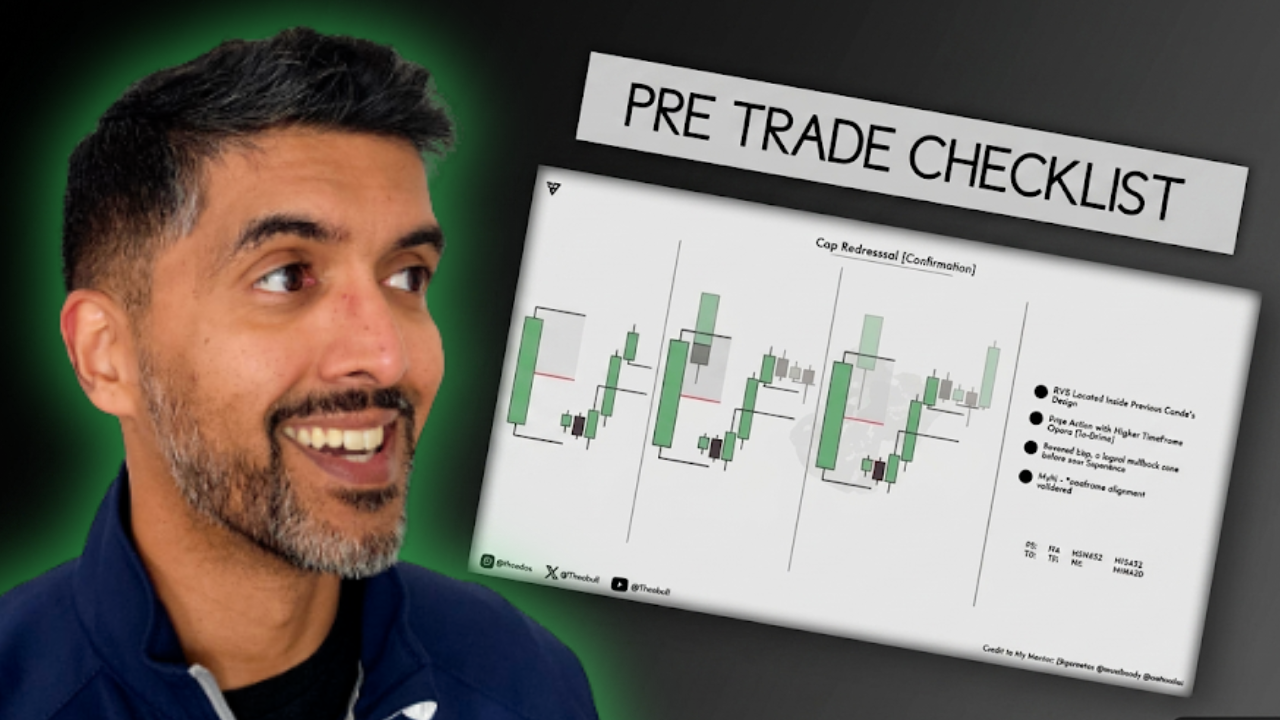
In high-stakes environments — like aviation or structural engineering — success isn’t based on how you “feel” that day. It’s based on a pre-flight checklist.
The Gambler is reactive. He trades on “vibes.” He sees a candle move and feels a physiological need to be involved. He’s like a pilot trying to land a plane by sight alone, ignoring the instruments.
The Systems Engineer, however, views the market as a series of rigid data points. He doesn’t move until the “If-Then” conditions are green across the board:
- IF the 15-minute order flow is bearish (The Narrative)
- AND London High liquidity is swept (The Setup)
- AND the 9:30 AM open creates a market structure shift (The Execution)
- THEN the system triggers.
If one light is red, we stay on the ground. It’s not about being “right”; it’s about the discipline of the checklist.
2. The Power of “No”
This week, I took 3 losses. In my early days, that would have sent me into a tailspin. I would have started throwing “revenge trades” at the screen until my account was in shambles.
But because I lead with a Backtesting Lens, I’m looking at the diagnostic report differently. The data shows that while I took 3 losses, my criteria helped me avoid 6 other catastrophic failures that would have absolutely nuked my equity curve. In this game, the trades you don’t take are the ones that keep the lights on.
3. Trusting the Simulator
I document every trade. Every win. Every frustrating stop-out. Why? Because the ledger is the only objective piece of data I own.
When you’ve backtested 100+ setups, a 3-trade losing streak isn’t a crisis — it’s a statistical “variance” you already saw in the simulator. You don’t redesign the entire wing of an airplane because you hit a pocket of turbulence. You trust the math, you trust the physics, and you wait for the next clear flight path.
The Bottom Line: I’m not a guru. I’m not standing on a pedestal telling you I’ve “won” the game. I’m just a guy documenting the grit it takes to move from guessing to engineering. If you want a front-row seat to what a real, data-driven journey looks like, you’re in the right place.
Did you follow your rules today?