The Next Phase of Digital Transformation in 2026
 Codearies3 min read·Just now
--
Digital transformation in 2026 has evolved beyond just shifting systems to the cloud or tacking on a few digital tools. It’s now about building smarter, faster, and more interconnected businesses that can adapt on the fly. The next stage emphasizes AI automation, data driven decisions, and resilient digital operations.
Companies that view transformation as an ongoing journey will maintain their competitive edge. Those that settle for basic digitization will find it tough to keep pace with increasing customer expectations and the complexities of operations.
AI Becomes the Operating Layer
AI is transitioning from being a mere support tool to becoming a fundamental part of business operations. By 2026, organizations are leveraging AI to automate tasks, forecast demand, personalize experiences, and enhance decision making across various departments.
What sets this phase apart is the move from isolated AI projects to comprehensive enterprise systems. Businesses are no longer debating whether to adopt AI, they’re now focused on how deeply it should be integrated into their daily operations.
Data Becomes the Real Advantage
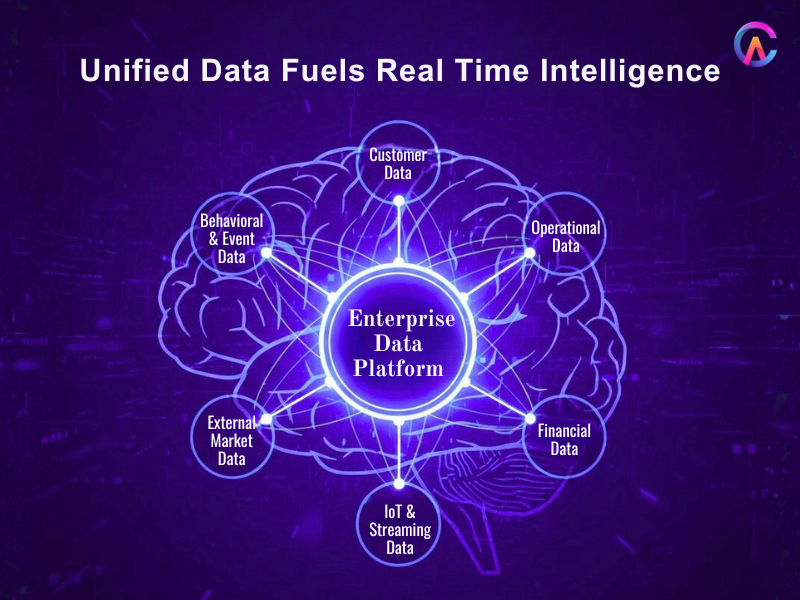
In today’s landscape, digital transformation hinges on how effectively a business utilizes data. Having a unified data foundation allows teams to connect customer behavior, sales operations, and market signals into a single perspective.
This integration leads to more accurate forecasting and quicker decision making. Companies that can transform data into actionable insights gain a significant advantage, enabling them to respond to changes ahead of their competitors.
Cloud and Infrastructure Modernization
The cloud continues to play a pivotal role in transformation, but the emphasis has shifted. In 2026, businesses are creating hybrid and multi cloud environments that strike a balance between flexibility, security, and control.
This approach not only supports scalability but also helps teams manage AI workloads and sensitive data more effectively. The cloud is now less about mere storage and more about empowering intelligent business systems.
Automation Across the Full Workflow
Automation has evolved beyond just handling repetitive tasks. We’re entering a new era where intelligent orchestration takes center stage, allowing AI workflow engines and automation tools to collaborate seamlessly across entire business processes.
This means that areas like customer onboarding, order fulfillment, support, and finance operations can all become significantly more efficient. As a result, businesses can save time, minimize errors, and enhance service quality all at once.
Security and Trust Stay Central
As digital systems become more sophisticated, the associated risks also increase. That’s why security is now a fundamental part of any transformation strategy. Companies need to adopt a zero trust mindset, implement robust identity controls, and maintain continuous monitoring to safeguard user data and workflows.
In today’s landscape, trust has become a competitive edge. Organizations that can demonstrate reliability, resilience, and transparency will find themselves in a stronger position to thrive in digital markets.
Human and Machine Collaboration
The next stage of digital transformation isn’t about replacing people, it’s about empowering teams to work smarter with AI and automation. Employees will find themselves spending less time on mundane tasks and more time focusing on strategy, building relationships, and driving innovation.
This shift will benefit businesses that invest in training their workforce to collaborate with intelligent systems, rather than viewing technology as an isolated component.
Conclusion
Looking ahead to 2026, the next phase of digital transformation will be characterized by AI, data, cloud modernization, automation, and security. It’s all about creating businesses that are adaptable, intelligent, and prepared for ongoing change.