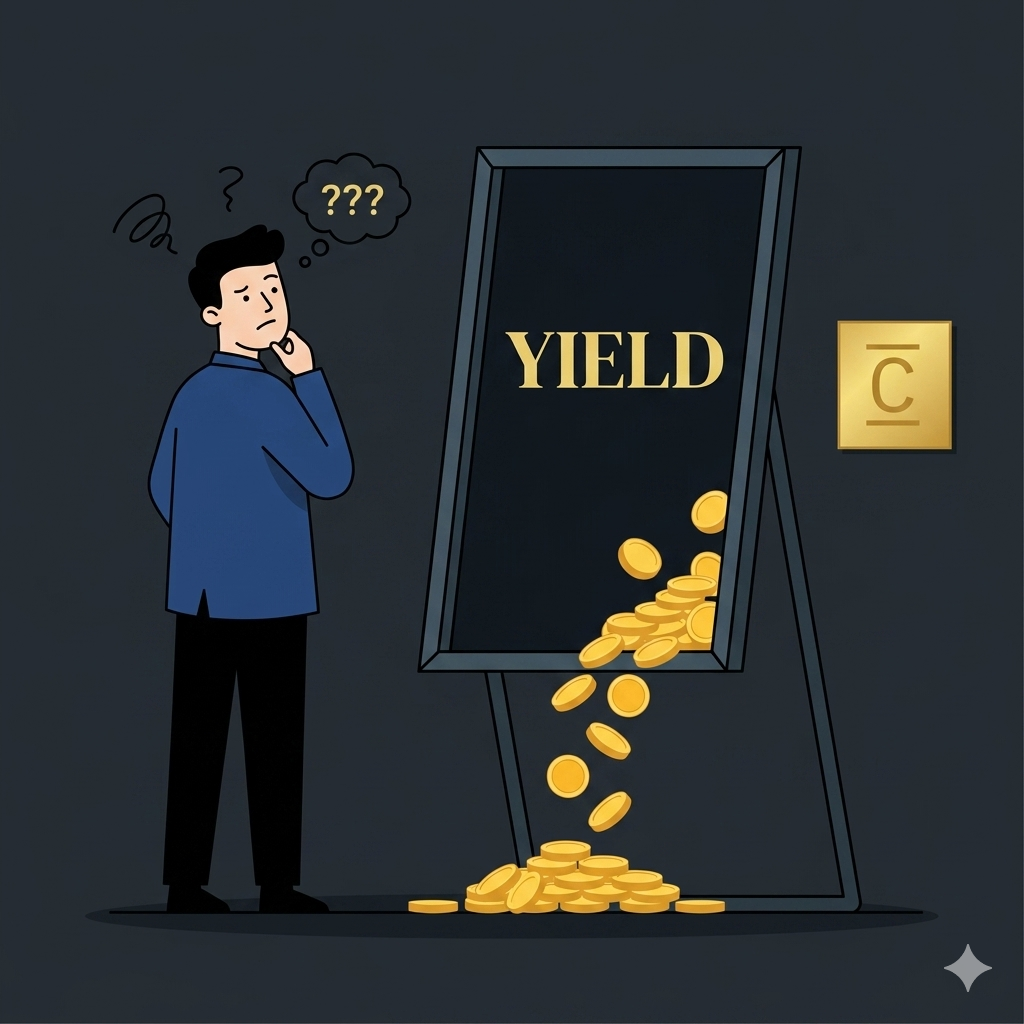
The Illusion of Easy Yield
 Ridwan Usman3 min read·Just now
--
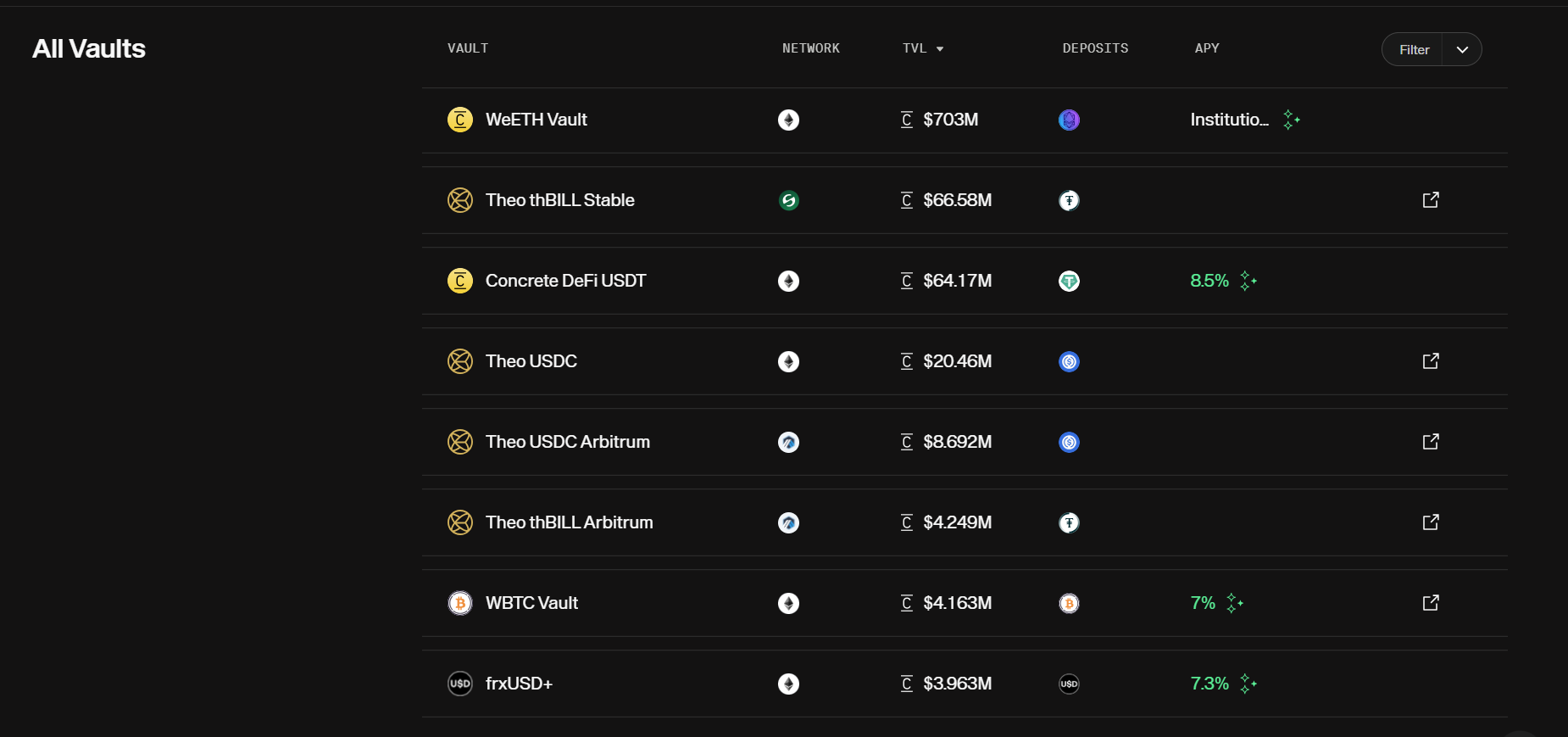
Open any DeFi dashboard and you’ll see it:
High APYs flashing in real time
Simple “deposit → earn” flows
Clean charts showing steady growth
It feels effortless.
Click. Deposit. Earn.
But here’s the tension:
👉 Yield looks simple on the surface but underneath, it’s often complex and fragile.
Most users stop at the number.
Very few ask:
“Where is this yield actually coming from?”
The Gap Between Displayed and Real Yield
That attractive APY you see?
It’s rarely the full story.
What’s often not shown:
Gross vs Net Return
The displayed yield is usually before costs
Impermanent Loss
Providing liquidity can reduce your real gains
Rebalancing Costs
Moving capital isn’t free
Execution Friction
Slippage, gas fees, timing inefficiencies
Volatility Impact
Price swings can distort returns
So a 40% APY on paper might become:
15%… or less… in reality
Sometimes even negative.
Where Yield Actually Comes From
Yield doesn’t appear from nowhere.
In DeFi, it is always coming from somewhere.
Real sources of yield:
Trading Fees → paid by traders using liquidity
Lending Activity → borrowers paying interest
Arbitrage → price inefficiencies being captured
Liquidations → penalties paid by risky positions
Incentives / Emissions → tokens distributed to attract users
Important truth:
👉 Not all yield is equal
Some is sustainable (fees, lending demand)
Some is temporary (token incentives, emissions)
Understanding the difference is everything.
Hidden Value Transfer
Here’s where the title becomes real:
If you don’t understand the system, you may be the one subsidizing it.
How?
Providing liquidity without understanding risk
Chasing incentives while absorbing downside
Entering systems without modeling outcomes
You think you’re earning yield…
👉 But you might actually be providing it to others
(traders, arbitrageurs, more sophisticated players)
Why Outcomes Differ
Two users. Same protocol. Same APY.
Very different results.
Why?
Different approaches:
Retail mindset
→ Chases the highest APY
Informed participants
→ Analyze cost, structure, and risk
Institutions / advanced users
→ Model outcomes before deploying capital
Same system.
👉 Different understanding = different outcomes
The Shift: Yield Chasing → Yield Engineering
DeFi is evolving.
We’re moving from:
❌ “Where is the highest APY?”
➡️
✅ “What is the best risk-adjusted return?”
This is yield engineering.
It means:
Modeling expected outcomes
Managing downside risk
Optimizing capital allocation
Focusing on net returns, not headline numbers
How Concrete Vaults Change the Game
This is where Concrete Vaults come in.
Instead of guessing, they provide structured, managed DeFi exposure.
Concrete Vaults help by:
Automating allocation
Managing strategies actively
Rebalancing positions over time
Reducing manual errors
They transform the experience from:
👉 Trial-and-error investing
➡️ Structured, optimized participation
In short:
From reacting to yield → understanding and capturing it
The Core Insight
Let’s end with the truth most dashboards won’t tell you:
👉 Yield is not just a number.
It is:
Revenue
Minus cost
Adjusted for risk
If you don’t break it down this way,
you’re not really measuring your returns.
You’re guessing.
Final Thought
In DeFi, transparency is optional understanding is not.
So next time you see a high APY, don’t just ask:
❓ “How much can I earn?”
Ask:
👉 “Who is paying me and why?”
Because if you can’t answer that…
You might be the yield.
Explore Concrete at app.concrete.xyz