The Hot Wallet Renaissance: Analyzing the Top Crypto Software Wallets of 2026
 Pro Trader Daily5 min read·Just now
--
The crypto landscape of 2026 has fundamentally outgrown the simple software wallets of the past. A hot wallet is no longer just a digital key ring used to hold a handful of ERC-20 tokens or connect to a basic decentralized exchange. Today, software wallets have evolved into highly complex, multi-chain operating systems featuring native cross-chain bridges, real-time security scanners, and direct integrations with institutional liquidity networks.
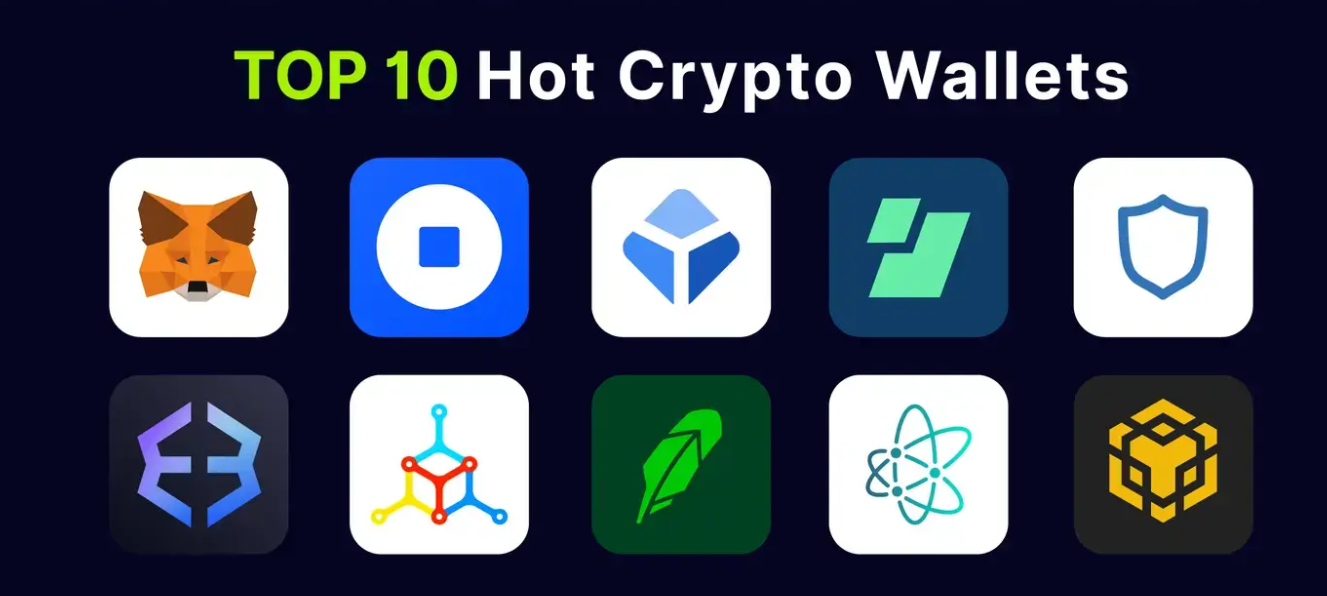
For the active Web3 participant, selecting a hot wallet requires a rigorous look at its underlying security architecture, network compatibility, and dApp ecosystem support. Drawing from the core classifications outlined on ProTraderDaily.com and verified by data from Binance Square global market insights, this analytical review breaks down the premier software wallets dominating the market in 2026.
1. MetaMask: The Web3 Heavyweight
MetaMask remains the undisputed infrastructure backbone of decentralized applications, boasting over 30 million monthly active users. While historically restricted to Ethereum and EVM-compatible networks, MetaMask’s recent development cycles have completely reshaped its market positioning.
- The Multi-Chain Pivot: Breaking its EVM-only tradition, MetaMask implemented native support for Solana, Bitcoin, and TRON networks. This elimination of cross-chain wallet fragmentation allows power users to manage diverse asset classes under a single interface.
- The Mastercard Integration: The rollout of the official MetaMask Card has bridged the gap between self-custodial on-chain assets and traditional point-of-sale retail networks, allowing real-time settlement for stablecoins.
- The Vulnerability Matrix: As the most widely targeted hot wallet on the internet, security depends heavily on user hygiene. While it features advanced transaction simulation screens to preview smart contract permissions, connecting a hardware wallet via clear-signing bridges remains mandatory for large balances.
2. Trust Wallet: The Asset Giant and Security Sentinel
With a global user base exceeding 220 million, Trust Wallet stands as a premier mobile-first, non-custodial wallet solution. Its deep historical ties to the Binance ecosystem continue to provide it with exceptional optimization for BNB Chain users, though its actual reach spans over 100 distinct blockchains.
- Active Proactive Security: Trust Wallet’s native Security Scanner represents a major shift from passive key storage to active threat mitigation. Reports published on Binance Square show the built-in scanner successfully intercepted and blocked $191 million in malicious dApp transactions and phishing approvals over the past year.
- Unified Multi-Chain Balances: Unlike standard browser extensions that require users to manually toggle network RPC networks, Trust Wallet automatically indexing multi-chain assets (such as ERC-20, TRC-20, and BEP-20 stablecoins) into a unified dashboard view.
- In-App Yield Hub: The platform offers streamlined, native staking mechanisms for primary Layer-1 assets, bypassing the need to navigate complex external yield optimization protocols.
3. Zengo: The Cryptographic Vanguard (MPC Architecture)
Zengo represents a distinct architectural departure from traditional hot wallets by eliminating the single biggest vector for retail asset loss: the 12-to-24-word seed phrase.
- Multi-Party Computation (MPC): Zengo operates on a mathematical threshold cryptography model. The private key is never generated or stored on a single device. Instead, it is split into two independent mathematical “shares” — one residing on the user’s mobile device and the other on Zengo’s secure servers.
- Three-Factor Authentication (3FA): Account recovery is bound to the user’s biometrics (face scan), personal cloud backup, and email verification. This structure completely mitigates seed phrase phishing scams and physical paper theft.
- The Trade-Off: Because it relies on server-side interaction for transaction signing, pure blockchain purists who demand zero corporate dependencies may find the MPC framework less philosophically appealing than traditional BIP-39 mnemonic phrase setups.
4. Exodus: The Design Standard and Cross-Platform Syncer
For desktop-centric traders and cross-device investors, Exodus remains the gold standard for portfolio visualization and cross-platform asset synchronization.
- Exodus Pay Architecture: The introduction of native decentralized payment rails allows users to spend stablecoins via virtual debit networks while maintaining absolute self-custody of the underlying keys.
- Hardware Wallet Synergy: Exodus features native, deep-layer integration with Trezor devices. This allows users to enjoy the high-fidelity UI, historical asset charts, and portfolio tracking mechanics of Exodus while keeping their core private keys securely isolated on a hardware secure element.
- The Spread Cost: While its built-in asset swapping engine is exceptionally smooth, it utilizes a proprietary market-making spread model that results in higher transaction slippage compared to using a pure Web3 wallet connected directly to an aggregator like 1inch.
5. Coinbase Wallet (The Base App Ecosystem)
Coinbase Wallet operates completely independently from the centralized Coinbase exchange platform, providing users with absolute control over their private keys while serving as the primary portal for Layer-2 scaling solutions.
- The Base Advantage: As the native gateway for the Base L2 network, the wallet offers near-zero gas fee transactions and immediate access to the fastest-growing decentralized consumer applications.
- Fiat-to-Crypto Rails: It provides the most frictionless fiat on-and-off-ramp pipeline in the industry, allowing users to securely port capital from regulated bank accounts into non-custodial environments within seconds.
Technical Comparison Matrix
The Analytical Verdict: Hot vs. Cold Orchestration
The consensus across both ProTraderDaily technical breakdowns and Binance News institutional safety circulars points to a single core rule for the modern digital economy: Hot wallets are for execution; cold wallets are for custody.
The wallets listed above represent the absolute pinnacle of convenience, cross-chain utility, and speed. However, they remain software applications operating on internet-connected hardware. For optimal capital preservation, active market participants should deploy a hybrid infrastructure strategy: use MetaMask or Trust Wallet as your front-end execution engine for smart contract interactions, but bind those applications to an air-gapped or biometric hardware wallet to authorize the final cryptographic signatures.