The Geographic Glass Ceiling: Why Your Global Ambitions are Failing at the Local Checkout
 Chloe Johnson4 min read·1 hour ago
--
In the digital landscape of 2026, the concept of a “global business” has become deceptively accessible. With a few clicks, a merchant in London can launch a sophisticated ad campaign targeting Gen Z consumers in Lagos, tech entrepreneurs in Bengaluru, or the burgeoning middle class in São Paulo. Digital borders have effectively dissolved for marketing, logistics, and communication; however, a silent, invisible barrier remains: the Geographic Glass Ceiling. This ceiling isn’t made of a lack of demand or poor product-market fit; it is built from the friction of the checkout page. While global reach is easy, “local” conversion remains the ultimate challenge for high-growth and high-risk merchants.
The hard truth for expanding enterprises is that if your checkout process relies solely on the traditional duopoly of Visa and Mastercard, you are not truly global. You are merely a Western merchant attempting to force an outdated financial model onto a world that has already moved on. In emerging markets, credit card penetration is often surprisingly low, and consumer trust is tied to domestic platforms. By failing to speak the local language of payments, businesses are unknowingly forfeiting up to 70% of their potential revenue at the very moment the customer is ready to buy.
The “Alternative” Majority: Beyond the Credit Card
For decades, the global e-commerce playbook assumed that a credit card was a universal prerequisite for online shopping. In 2026, that assumption is not just wrong — it is a recipe for failure. In the world’s most dynamic emerging economies, Local Payment Methods (LPMs) are no longer “alternative”; they are the primary way of life. In Brazil, the instant payment system Pix has revolutionized the economy, used by over 150 million people. In India, UPI (Unified Payments Interface) processes billions of transactions monthly, making plastic cards look like relics of the past. Across Africa, mobile money services like M-Pesa have bypassed traditional banking altogether.
When a merchant enters these territories without supporting these specific channels, they create a massive friction point. A customer in Nairobi who keeps their entire balance in a mobile wallet cannot — and will not — navigate a complex process to use a card they don’t own. For high-risk merchants, the stakes are even higher. These customers are often eager for niche services, but if the payment gateway feels foreign or restrictive, trust evaporates instantly. Your “global” store is effectively closed to the very regions where your growth potential is highest.
The Cross-Border Reject: The Silent Conversion Killer
Even when a customer in an emerging market does possess an international credit card, the hurdles are far from over. Cross-border transactions are the “high-risk” boogeyman for local issuing banks. When a transaction is processed through an entity based in Europe or North America, the local bank in Brazil or Nigeria often flags it as a high-security risk. The result is a staggering decline rate, often hovering between 40% and 50% for perfectly legitimate transactions.
This “Cross-Border Reject” is a double-edged sword. First, it results in immediate lost sales. Second, it damages your brand reputation. A customer who tries to buy your service and is met with a “Transaction Declined” message rarely tries a second time; instead, they move to a local competitor who can process their payment seamlessly. To break through the geographic glass ceiling, merchants need local acquiring — processing payments through local entities to ensure high authorization rates and minimize the “foreign transaction” red flags that trigger automated blocks.
Settlement Friction: The Hidden Operational Nightmare
The pain of global expansion doesn’t end at the checkout; it follows the merchant into the back office. Managing a truly global footprint means collecting revenue in a dizzying array of currencies — Brazilian Reals, Indian Rupees, Nigerian Naira, and dozens more. For many merchants, the process of reconciling these payments is an operational nightmare. Converting 15 different local currencies back into a base currency like USD, EUR, or GBP involves multiple intermediaries, each taking a percentage of the transaction.
High conversion fees and the volatility of emerging market currencies can eat into profit margins significantly. Furthermore, the time it takes for these funds to settle in a merchant’s home account can range from days to weeks, creating a liquidity crunch. For high-risk merchants who already face scrutiny from traditional banks, this settlement friction is often the final straw that makes international expansion feel more like a burden than a benefit.
The Inquid Solution: The “Glocal” Payment Mesh
This is where Inquid changes the game. We recognize that to be successful globally, you must behave locally. Our Glocal Payment Mesh is designed specifically to dismantle the barriers of the geographic glass ceiling. We don’t just give you a payment gateway; we give you a comprehensive infrastructure that bridges the gap between your headquarters and your global customers.
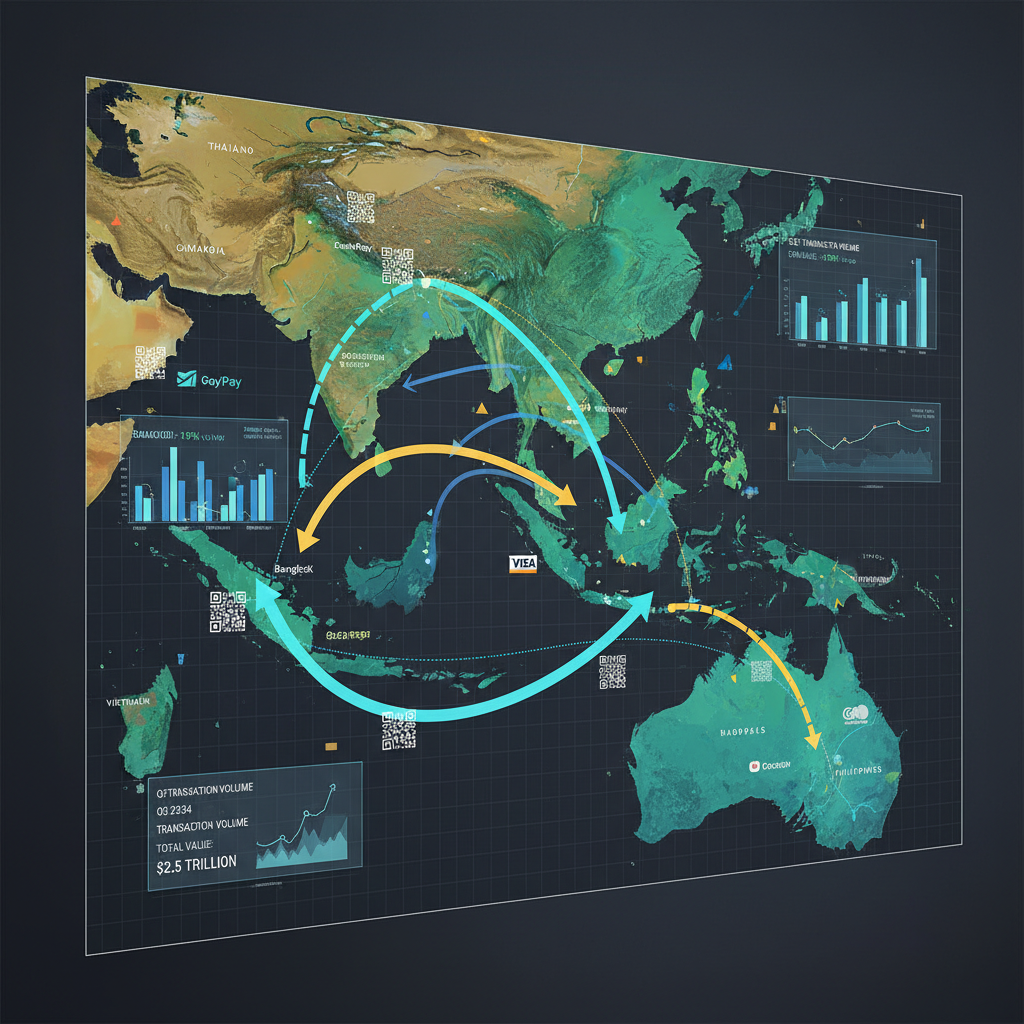
With a single API integration, Inquid unlocks hundreds of Local Payment Methods (LPMs). Whether it’s Pix in Brazil, M-Pesa in Kenya, or UPI in India, your customers see the payment options they know and trust. Our intelligent routing system ensures that transactions are processed through local acquiring networks, slashing decline rates and ensuring that your legitimate customers can complete their purchases without interference from overzealous fraud filters.
True Currency Choice and Simplified Settlement
Inquid removes the headache of currency conversion and settlement friction. We handle the heavy lifting of collecting local currencies and allow you to settle in your currency of choice. Whether you want your funds in USD, EUR, or even stablecoins, our platform provides a streamlined path from the local checkout to your bank account. This “Glocal” approach allows you to scale rapidly into new markets without needing to set up local entities or manage dozens of different banking relationships.
The future of commerce belongs to those who can master the “Glocal” balance. By removing the friction at the checkout, merchants can finally realize the full potential of their global ambitions. Don’t let your growth be capped by an outdated payment strategy. It’s time to shatter the geographic glass ceiling and offer your customers the local experience they deserve, no matter where they are in the world.
#FinTech #GlobalExpansion #LocalPayments #HighRiskMerchants #Inquid #CrossBorderPayments #EcommerceGrowth #DigitalTransformation #PaymentOrchestration