The GENIUS Act Is Turning Stablecoins Into Real Payment Infrastructure
 Paywaz5 min read·Just now
--
The OCC’s proposed GENIUS Act framework signals a major step toward regulated payment stablecoins. Here’s why this matters for merchants, consumers, and the future of payment infrastructure.
Stablecoins are moving out of the crypto conversation and into the payments conversation.
For years, stablecoins were often treated as a crypto market tool: something used for trading, liquidity, or digital asset settlement. That view is now too narrow. The proposed implementation of the GENIUS Act, and the OCC’s developing framework for payment stablecoins, signals something much larger.
Stablecoins are becoming regulated payment infrastructure.
That matters for merchants, platforms, financial institutions, and consumers because the next generation of payments will not only be about faster checkout. It will be about trusted digital settlement, lower payment friction, stronger compliance, programmable money movement, and a more efficient way for value to move across the economy.
Why this matters
The payment system most merchants rely on today was not designed for instant, programmable, 24/7 digital commerce.
Card networks, acquiring banks, processors, intermediaries, chargebacks, delayed settlement windows, and cross-border frictions all create cost and complexity. For many merchants, this shows up as a quiet but persistent margin drain.
A fee structure like 2.9% plus $0.30 per transaction may look normal because the market has accepted it for decades. But at scale, it becomes a serious operating cost.
Stablecoin payment infrastructure changes the conversation.
Instead of treating payments as a chain of legacy intermediaries, stablecoin rails allow value to move digitally, directly, transparently, and continuously. But for that system to scale, it needs trust. It needs clear rules. It needs reserve standards, redemption requirements, risk management, cybersecurity expectations, and consumer protections.
That is why the GENIUS Act is important.
It moves payment stablecoins closer to a formal regulatory perimeter and helps define what responsible digital dollar infrastructure should look like.
Stablecoins are not just crypto
The most important shift is language.
Stablecoins should not be understood only as speculative crypto assets. Properly regulated payment stablecoins are payment and settlement instruments.
That distinction matters.
A payment stablecoin is useful because it can move across platforms, wallets, merchants, markets, and financial applications while maintaining a reliable connection to an underlying fiat value. Its value comes from transferability, liquidity, redeemability, and trust.
For merchants, that means stablecoins can become a practical settlement layer.
For platforms, they can become programmable payment infrastructure.
For consumers, they can become a more efficient way to pay.
For the broader financial system, they can become a new rail for digital money movement.
Trust is the product
Stablecoins only work at scale if people believe they can redeem them.
That is why strong reserve requirements, transparent oversight, operational resilience, and consistent supervision matter. A payment stablecoin should not simply call itself “stable” because of branding. It should be able to prove it is backed, redeemable, and governed by meaningful standards.
This is especially important as stablecoins enter mainstream commerce.
Consumers should not need to read complex disclosures to understand whether the digital dollar they are using is subject to credible oversight. Merchants should not have to guess whether a settlement asset is reliable. Platforms should not have to build around fragmented or inconsistent standards.
A stronger market needs stronger rules.
A level playing field matters
One of the most important principles in the stablecoin market is consistency.
If bank issuers, nonbank issuers, state-regulated issuers, federal issuers, domestic issuers, and foreign issuers all operate under materially different standards, the market becomes fragmented. That creates room for regulatory arbitrage and undermines trust.
The future of payment stablecoins depends on a common prudential perimeter.
That does not mean every issuer has to look the same. But it does mean that any entity issuing a payment stablecoin should meet robust expectations around reserves, redemption, risk management, operational controls, compliance, and consumer protection.
The winners in this market should be the companies that build better infrastructure, better user experiences, and better merchant outcomes — not the companies that find the weakest regulatory path.
Stablecoins and tokenized deposits are not the same thing
Another important distinction is between payment stablecoins and tokenized deposits.
They are related concepts, but they are not interchangeable.
Payment stablecoins are designed for broad transferability and settlement across networks, platforms, wallets, and markets. Tokenized deposits are digital representations of bank liabilities and are usually tied more directly to banking relationships and balance sheet structures.
Both may have a role in the future of money movement, but they raise different policy and operational questions.
For merchants and platforms, this distinction matters because the goal is not simply to digitize existing bank money. The goal is to create faster, more flexible, more open payment infrastructure that can support modern commerce.
What this means for merchants
For merchants, the GENIUS Act conversation is not abstract policy.
It points toward a future where stablecoin payments become more trusted, more regulated, and more commercially usable.
That future could mean:
- Faster settlement
- Lower payment acceptance costs
- Reduced dependency on legacy card rails
- Better cross-border payment options
- More programmable checkout and treasury workflows
- Improved transparency into payment movement
- New infrastructure for agentic commerce and AI-driven payments
This is where Paywaz fits.
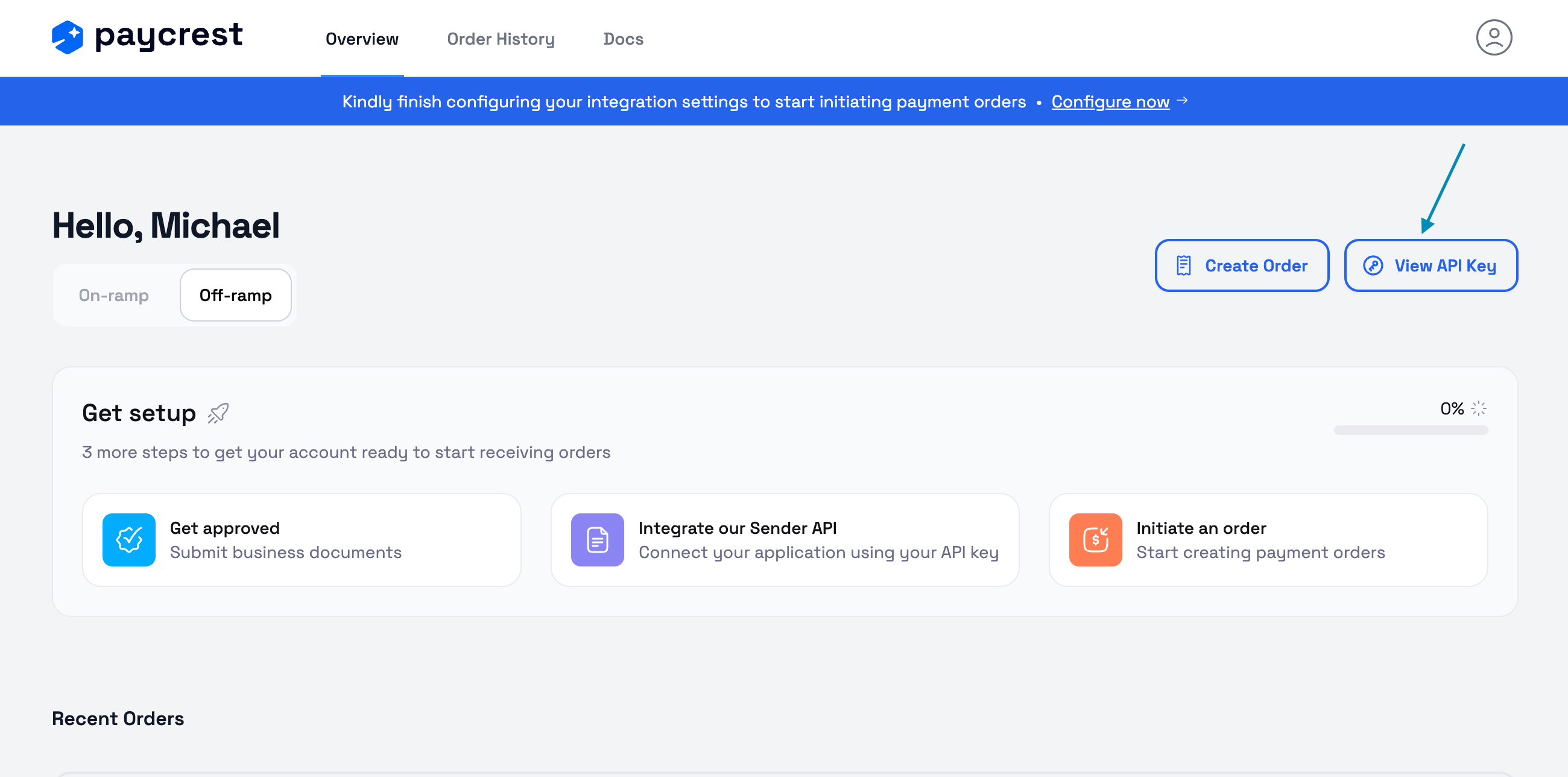
Paywaz is building zero-fee stablecoin payment infrastructure for merchants, with instant, non-custodial settlement and payment rails designed for API, POS, QR, and checkout use cases. The opportunity is not simply to “accept crypto.” The opportunity is to give merchants a better payment rail.
The stablecoin market is maturing. Regulation is catching up. Merchant demand for lower-cost, faster, more flexible payment infrastructure is growing.
Those three forces are now converging.
Why Paywaz is watching this closely
Paywaz is not trying to position stablecoins as a speculative asset class.
We see stablecoins as payment infrastructure.
The GENIUS Act framework supports the direction we believe the market is already moving: toward trusted digital dollars, regulated settlement assets, merchant-friendly rails, and modern payment systems that work continuously rather than within legacy banking windows.
For merchants, the key question is becoming simple:
Why should a business continue giving away margin to legacy payment fees when new regulated rails can offer a better alternative?
The answer will not arrive overnight. Regulation, adoption, liquidity, user experience, compliance, and infrastructure all need to develop together.
But the direction is clear.
Stablecoins are becoming part of the global financial system. The companies that understand them as infrastructure, not speculation, will be best positioned for what comes next.
The bottom line
The GENIUS Act marks a turning point for dollar-backed digital money.
The OCC’s proposed framework is another step toward making payment stablecoins safer, more transparent, more trusted, and more usable at scale.
For consumers, that means stronger protection.
For regulators, it means a clearer framework.
For issuers, it means higher standards.
For merchants, it means the early foundation of a new payment system.
And for Paywaz, it reinforces the core belief behind our platform:
The future of payments will be faster, more programmable, more transparent, and less expensive for merchants.
Stablecoins are not just crypto.
They are becoming the next payment rail.
This article is for informational purposes only and does not constitute legal, financial, investment, or regulatory advice. Digital assets and stablecoin payment infrastructure remain subject to evolving laws, rules, and regulatory guidance.